
Introduction: The Rise of a Digital Arena
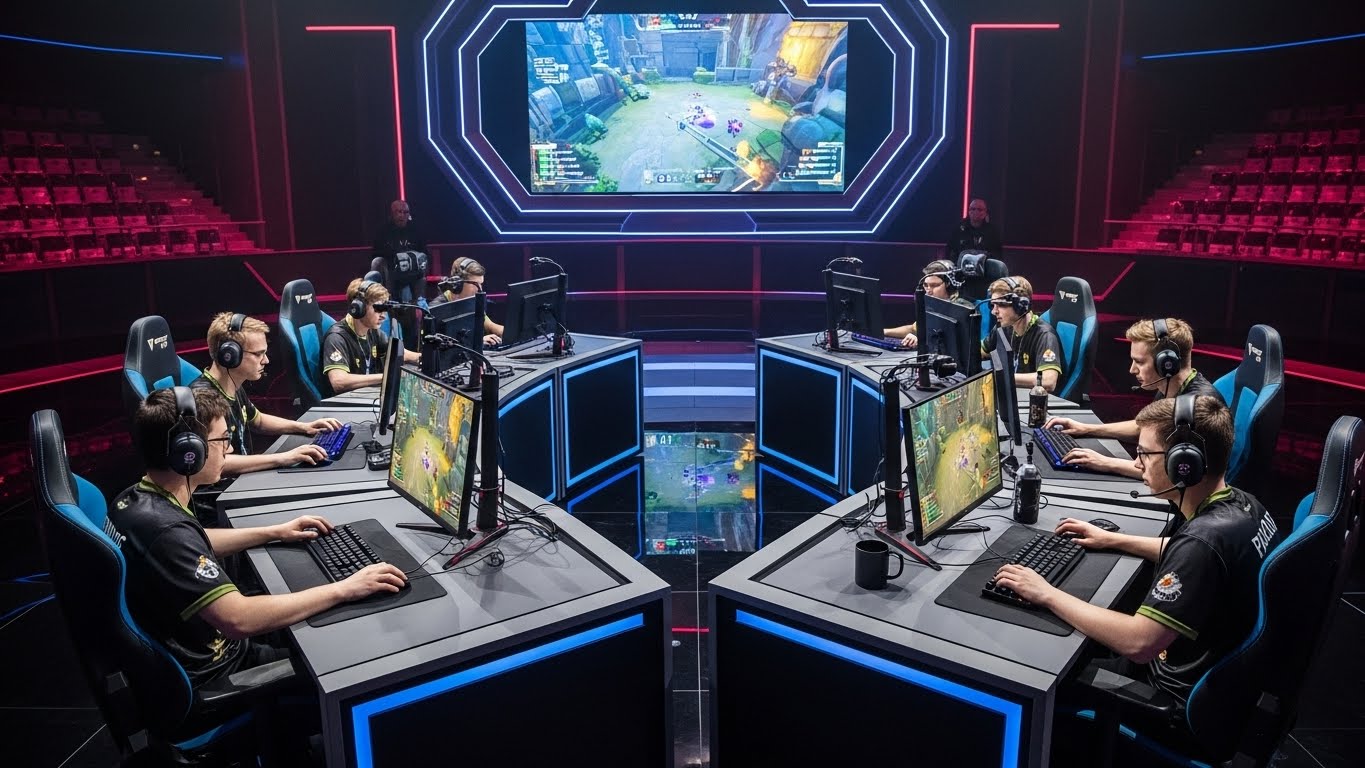
In the last decade, esports has transformed from a niche hobby into a global phenomenon, captivating millions of players and viewers worldwide. What was once a pastime enjoyed in basements and small gaming cafes has evolved into a highly professionalized industry with organized tournaments, substantial prize pools, and sponsorship deals rivaling traditional sports. Esports is no longer just about playing video games; it is now a legitimate career path, a source of entertainment, and a cultural movement redefining how society perceives competition, technology, and youth engagement.
The Evolution of Esports
The origins of esports can be traced back to the early 1980s, when simple arcade competitions began to emerge. Games like Pac-Man and Space Invaders sparked competitive play, but the real transformation began with PC gaming in the 1990s. Titles like StarCraft and Counter-Strike laid the foundation for modern esports by creating communities, tournaments, and professional play. These games cultivated early professional players, who, despite lacking mainstream recognition, became icons in gaming culture.
The 2000s marked a turning point with the proliferation of broadband internet and live streaming platforms. Gamers could now compete globally, and audiences could watch competitions in real-time. Esports gained legitimacy, attracting sponsors and media coverage. Today, the industry is a multibillion-dollar ecosystem encompassing everything from competitive leagues to content creation, merchandising, and beyond.
Popular Esports Games and Genres
Esports spans a variety of genres, each offering unique gameplay and competitive dynamics. Multiplayer Online Battle Arena (MOBA) games like League of Legends and Dota 2 are known for their strategic depth and team coordination. First-Person Shooters (FPS) like Counter-Strike: Global Offensive and Call of Duty emphasize precision, reflexes, and tactical awareness. Real-Time Strategy (RTS) and fighting games such as StarCraft II and Street Fighter appeal to players seeking intense mental and reflexive challenges.
Sports simulations and battle royale games are also major contributors to esports’ popularity. Titles like FIFA and NBA 2K offer familiar experiences for fans of traditional sports, while games like Fortnite and PUBG attract younger audiences with their fast-paced, unpredictable gameplay. The diversity of esports ensures that there is a game and community for virtually every type of player, making the industry inclusive and expansive.
Esports as a Professional Career
Professional esports athletes are no longer underground phenomena; they are highly trained individuals with rigorous schedules, dedicated coaching, and specialized support staff. Much like traditional athletes, esports players focus on physical fitness, reaction time, and strategic preparation. They spend hours analyzing gameplay footage, studying opponents, and perfecting their coordination with teammates.
Esports careers extend beyond playing professionally. Commentators, analysts, coaches, event organizers, and streamers play crucial roles in the ecosystem. Sponsorship deals, merchandising, and content creation provide income streams for both players and influencers. The career path may be unconventional, but it offers unprecedented opportunities for those who combine skill, creativity, and dedication.
The Role of Technology in Esports
Technology is the backbone of esports, driving its growth and accessibility. High-speed internet, powerful gaming rigs, and advanced streaming platforms have enabled competitive play on a global scale. Virtual reality (VR) and augmented reality (AR) technologies are beginning to shape the future of esports by creating immersive experiences for both players and audiences.
Data analytics has also become essential. Professional teams use statistical models to analyze player performance, optimize strategies, and predict opponents’ moves. This analytical approach mirrors practices in traditional sports, showcasing the increasing sophistication of esports. The integration of technology not only enhances gameplay but also transforms how fans engage with the sport, making every match an interactive spectacle.
Esports Events and Tournaments
Esports tournaments are among the most watched live events in the digital age. The League of Legends World Championship and The International Dota 2 Championship draw millions of viewers, both online and in stadiums. Prize pools for these events can reach tens of millions of dollars, rivaling the most prestigious competitions in traditional sports.
Major tournaments are more than just competitions; they are entertainment spectacles. Elaborate stage designs, cinematic intros, and live commentary create a captivating experience for audiences. Sponsors and brands see these events as marketing goldmines, reaching highly engaged, often younger audiences who consume media differently from traditional sports fans.
The Cultural Impact of Esports
Esports has had a profound cultural impact, redefining what it means to be an athlete, a fan, and a spectator. Gaming communities have evolved into vibrant social spaces where individuals connect over shared interests, forming friendships and professional networks. Esports also challenges conventional notions of sports by prioritizing mental agility, teamwork, and strategic thinking over purely physical prowess.
The industry has also influenced mainstream culture. Popular games inspire music, fashion, and entertainment trends, and professional players have become influencers in their own right. Universities and colleges are recognizing esports as a legitimate activity, offering scholarships and establishing competitive teams. This integration into education and popular culture highlights esports’ growing societal legitimacy.
Challenges Facing Esports
Despite its rapid growth, esports faces significant challenges. Player burnout is a major concern, as intense practice schedules and public scrutiny can lead to mental health issues. The industry also struggles with issues of inclusivity, as gender disparity remains a barrier in professional competition.
Regulation and governance present another challenge. Unlike traditional sports with established governing bodies, esports is fragmented across multiple leagues and games, leading to inconsistent rules, standards, and player protections. As the industry continues to mature, addressing these challenges is critical to ensuring sustainability, fairness, and long-term growth.
The Future of Esports
The future of esports looks promising, driven by technological innovation, increased investment, and global interest. Mobile esports is expanding rapidly, especially in regions where console or PC gaming is less accessible. Emerging technologies such as cloud gaming, VR, and AR will make competitive gaming more immersive and accessible to a broader audience.
Moreover, esports is likely to become further integrated with mainstream entertainment. Crossovers with movies, music, and live performances will continue to blur the lines between gaming and other forms of media. The potential for esports to be recognized alongside traditional sports in global competitions underscores its growing legitimacy and cultural influence.
Conclusion: Esports as a Global Phenomenon
Esports is more than just gaming; it is a reflection of society’s evolving relationship with technology, competition, and entertainment. Its growth from small, local tournaments to massive global events illustrates the power of digital communities and the potential of gaming as a professional pursuit. While challenges exist, the industry’s trajectory is overwhelmingly positive, promising new opportunities for players, fans, and creators alike.
As esports continues to expand, it will not only redefine what it means to be a professional athlete but also reshape global culture, technology, and entertainment. The arena may be digital, but the impact is very real, proving that esports is here to stay and poised to change the future of competition forever.