Esports has evolved from a niche hobby into a global entertainment powerhouse. The rapid growth of competitive gaming has captivated millions of viewers, gamers, and investors around the world. From early LAN parties to packed arenas hosting multi-million dollar tournaments, esports is now considered a legitimate sport, drawing the attention of brands, sponsors, and fans alike. In this blog, we explore the evolution, impact, and future of esports, shedding light on the driving forces behind its explosive rise.
The Evolution of Esports: From Casual Competition to Global Industry
Esports, short for electronic sports, refers to organized multiplayer video game competitions, particularly between professional players, individually or as teams. While competitive gaming has existed since the early days of video games, it wasn’t until the late 1990s and early 2000s that esports began to take shape as we know it today.
The first major esports tournaments were held in the late 90s and early 2000s, with games like StarCraft, Quake, and Counter-Strike paving the way for competitive gaming. These games were typically played in LAN (Local Area Network) environments, where gamers would gather in physical spaces to compete against each other. The prize money was modest, and the audiences were small, but the seeds for esports were firmly planted.
However, the real turning point came with the advent of online gaming. As broadband internet became more accessible, the ability to compete against players worldwide transformed esports into a global phenomenon. Games like League of Legends, Dota 2, and Overwatch attracted millions of players and viewers, creating massive online communities. The accessibility of online play allowed for a surge in competitive gaming, which ultimately led to the establishment of professional esports leagues and organizations.
The Growth of Esports: A Multibillion-Dollar Industry
One of the most significant factors behind the explosive growth of esports is the increasing level of investment. The rise of streaming platforms like Twitch, YouTube Gaming, and Facebook Gaming played a pivotal role in bringing esports to a wider audience. These platforms allowed fans to watch live broadcasts of esports tournaments from anywhere in the world, providing a new form of entertainment that was easily accessible.
As viewership and participation increased, so did the investment from major companies. Brands across various industries, from technology to consumer goods, saw the potential of esports as a marketing tool. Sponsorship deals, merchandise sales, and ticket sales for live events became significant revenue streams. Major companies like Intel, Coca-Cola, Red Bull, and Mercedes-Benz have sponsored esports teams and tournaments, helping to further legitimize the industry.
The prize money for esports tournaments has also skyrocketed. Games like Dota 2 have set records for the largest prize pools in esports history, with the 2019 International offering over $34 million in prize money. These massive payouts attract top-tier players from around the world, further fueling the competition and excitement surrounding esports.
The industry has also seen the rise of professional esports organizations. These organizations manage top-level teams in various games and provide players with salaries, coaching, and training facilities, much like traditional sports teams. Organizations such as Cloud9, Team Liquid, and Fnatic have become household names in the esports world, and their players have achieved celebrity status.
Esports and the Entertainment Ecosystem: A New Form of Sport
Esports is not just about gaming—it is a cultural movement that blends technology, entertainment, and sports. One of the key reasons esports has become so popular is its ability to blend elements of traditional sports with the digital world. The competitive nature of esports, combined with the highly skilled players and teams, mirrors the dynamics of traditional sports like basketball or soccer.
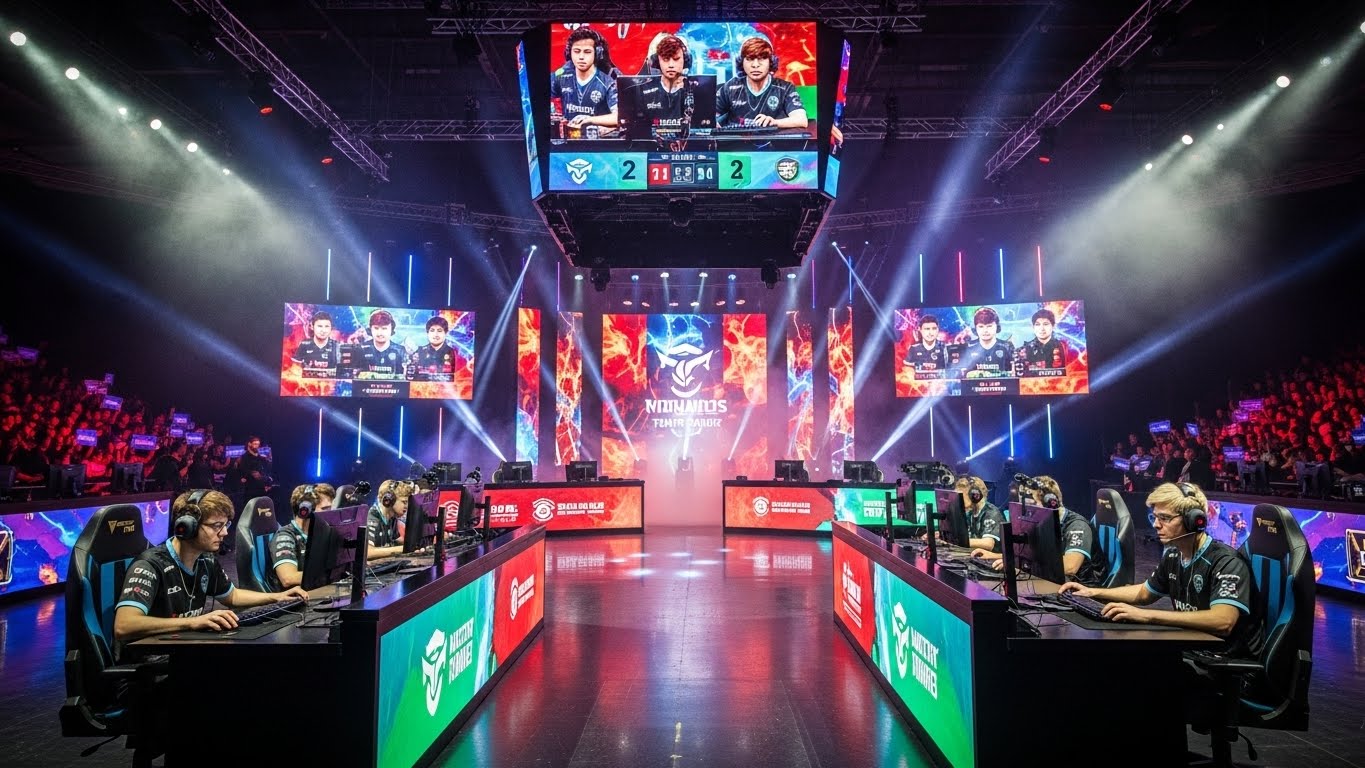
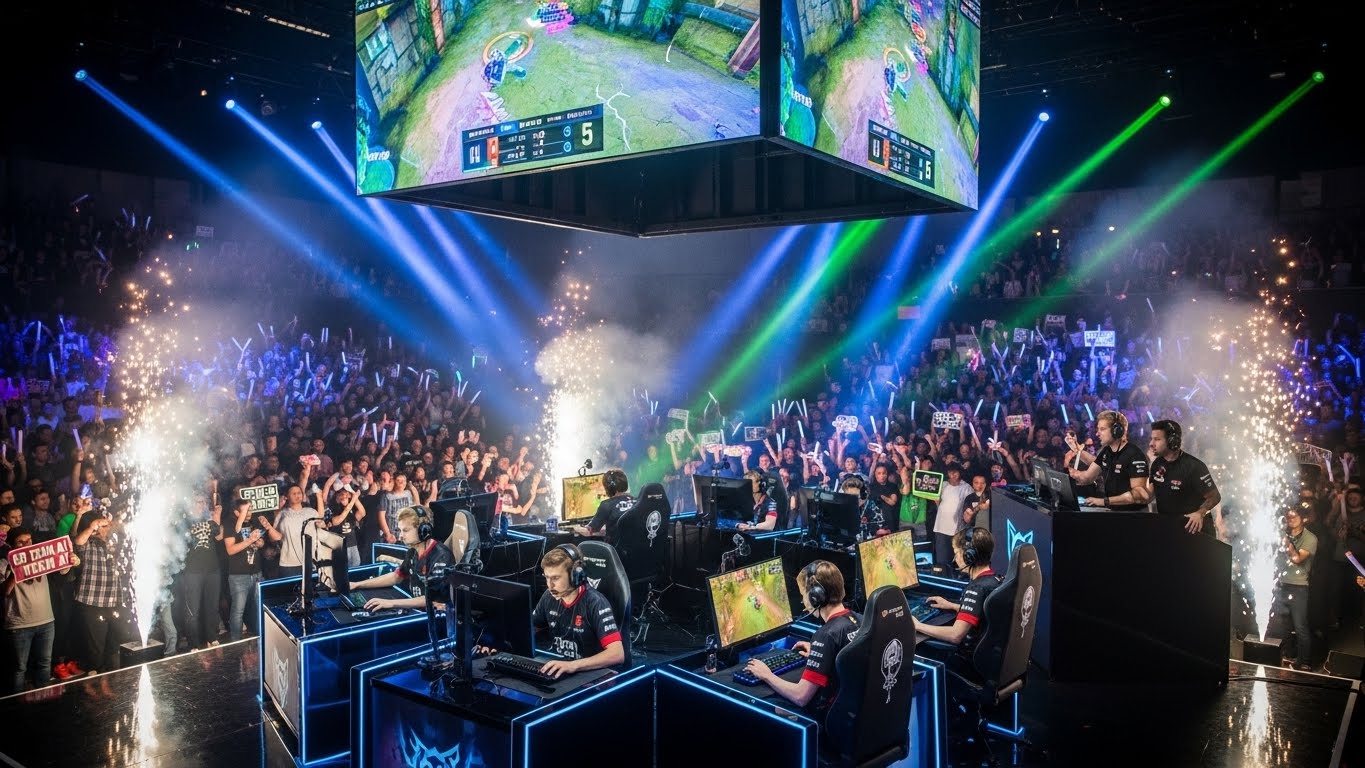
Much like traditional sports, esports features professional leagues, tournaments, and even international competitions. Some of the biggest esports events are held in stadiums and arenas, with fans attending in person to watch their favorite teams compete. These events are often broadcasted live on streaming platforms, attracting millions of viewers worldwide. In some cases, esports tournaments even rival traditional sporting events in terms of viewership. The 2018 League of Legends World Championship attracted over 99 million viewers, which is comparable to the viewership of the Super Bowl.
Esports also has a unique fan culture. Fans not only watch the games but also engage with players and teams on social media platforms, participate in online communities, and buy merchandise to show their support. The sense of belonging to a community and the excitement of cheering for a favorite team or player are integral to the esports experience, just as they are in traditional sports.
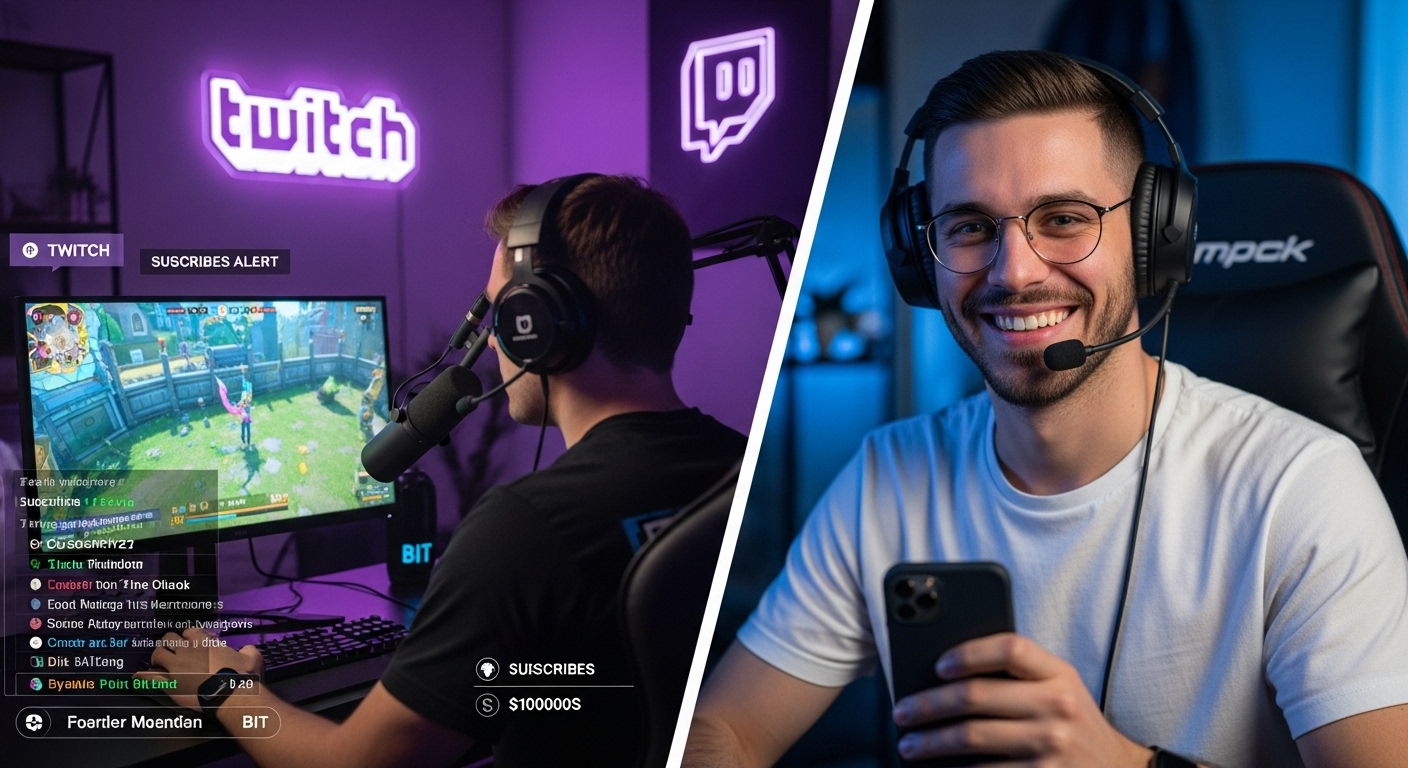
Moreover, esports has proven to be a major catalyst for the growth of the streaming industry. Platforms like Twitch and YouTube Gaming are not only home to esports broadcasts but also provide content creators with the tools to build careers around their gaming skills. Streamers who play games professionally or casually can attract large audiences, garner sponsorships, and even create their own brands. Many esports professionals, such as Ninja (Tyler Blevins) and Shroud (Michael Grzesiek), have successfully transitioned from being competitive players to becoming full-time content creators with millions of followers.
The Social and Cultural Impact of Esports
Esports is not just a pastime for gamers—it’s a cultural phenomenon that influences broader society. From changing the way people consume entertainment to fostering global communities, esports has had a profound impact on how we interact with media, technology, and one another.
One of the most important cultural shifts brought about by esports is the normalization of gaming as a legitimate career path. For decades, parents and educators often viewed gaming as a frivolous activity or a waste of time. However, the rise of esports has helped to change that perception. Today, professional gamers, streamers, and content creators can make substantial incomes through sponsorships, streaming, and tournament earnings. Many young people now aspire to become professional esports athletes, seeing it as a legitimate career opportunity.
Esports also promotes inclusivity and diversity. Unlike many traditional sports, which can be limited by geographic location, physical requirements, or gender, esports provides a level playing field where anyone with a computer and internet access can participate. Women, minorities, and people from diverse backgrounds have the opportunity to compete at the highest levels in esports, though challenges related to representation and equality still exist.
Furthermore, esports has become a global connector, uniting players and fans from around the world. The ability to compete in tournaments and interact with other gamers from different countries fosters a sense of global camaraderie. Language barriers can often be overcome through in-game communication, and many esports organizations have teams made up of players from different parts of the world. This international aspect of esports has helped bridge cultural divides and create a more connected world.
The Future of Esports: Challenges and Opportunities
While esports has come a long way, there are still several challenges that the industry must address as it continues to evolve. One of the biggest issues is the sustainability of the industry. As esports grows, the pressure to maintain large-scale tournaments and events with high production values increases. There is also the question of player health and well-being. Esports players often spend hours training and competing, which can lead to physical and mental health issues such as eye strain, repetitive stress injuries, and burnout.
Another challenge is the regulation of esports. Unlike traditional sports, esports lacks a universal governing body, which can lead to inconsistencies in rules and tournament formats. The lack of standardized regulations can also make it difficult to address issues such as cheating, match-fixing, and player misconduct. However, organizations such as the Esports Integrity Commission (ESIC) are working to establish more formalized standards for the industry.
On the other hand, the future of esports holds exciting opportunities. As technology continues to improve, new innovations like virtual reality (VR) and augmented reality (AR) could revolutionize the esports experience. The integration of VR and AR could create more immersive and interactive experiences for players and viewers alike.
Additionally, the inclusion of esports in mainstream media and educational institutions could further solidify its place in popular culture. In recent years, some universities have even established esports programs, offering scholarships and degrees related to gaming and esports management. As esports becomes more integrated into academic and professional development, it could open new career paths and foster a deeper understanding of the industry.
Conclusion: Esports – A New Era of Competitive Entertainment
Esports is no longer a passing trend or a niche interest—it has become a global force in entertainment. With its rapid growth, massive viewership, and cultural influence, esports has established itself as a legitimate industry that is here to stay. From the players to the fans, the sponsors to the content creators, esports is reshaping the way we think about competition and entertainment in the digital age.
As esports continues to evolve, it will undoubtedly face challenges. However, the opportunities for growth, innovation, and community-building are limitless. Whether you are a casual gamer, a competitive player, or a dedicated fan, esports offers something for everyone. It is a dynamic, fast-paced world where passion, skill, and strategy converge to create an experience unlike any other—a true testament to the power of gaming in the 21st century.