Introduction: The Birth of a Digital Sport
Esports, short for electronic sports, has emerged as one of the most influential cultural and economic phenomena of the 21st century. What began as casual competitions among friends playing arcade games in the 1980s has evolved into a global industry generating billions of dollars annually. Today, esports tournaments are broadcasted live to millions of fans worldwide, professional players are treated like athletes, and game titles like League of Legends, Dota 2, and Counter-Strike have become household names. The rise of esports is a testament to the growing influence of digital culture and the blending of technology, entertainment, and competition.
Esports has not only changed the way people play games but also how they watch and engage with them. Unlike traditional sports, esports offers an interactive experience where fans can watch, stream, comment, and even participate in shaping the competitive landscape. This immersive engagement has made esports a cultural force that transcends age, geography, and traditional sporting boundaries.
The Evolution of Competitive Gaming
The roots of esports can be traced back to the late 1970s and early 1980s when arcade games like Space Invaders and Pac-Man sparked competitive gaming. Early competitions were small-scale and often localized, but they laid the groundwork for a competitive gaming culture. The 1990s saw the rise of multiplayer PC games like Quake, StarCraft, and Counter-Strike, which allowed players to compete over local networks and the emerging internet.
The real turning point came with the 2000s, as broadband internet became widely available, enabling large-scale online tournaments and professional leagues. Game publishers began to recognize the potential of competitive gaming, investing in esports leagues and events. South Korea, in particular, became a hub for esports with professional StarCraft leagues, televised matches, and a culture that treated gamers as celebrities. This period marked the transition of esports from a niche hobby to a legitimate professional pursuit.
Major Esports Titles and Their Impact
Different game genres have contributed to the growth of esports in unique ways. Multiplayer online battle arena (MOBA) games like League of Legends and Dota 2 have dominated the esports scene due to their complex gameplay, strategic depth, and team-based competition. MOBA tournaments attract massive audiences and boast prize pools that can reach tens of millions of dollars.
First-person shooters (FPS) such as Counter-Strike: Global Offensive and Call of Duty emphasize individual skill, reflexes, and tactical coordination. These games have become staples of esports tournaments and often inspire intense fan rivalries. Fighting games like Street Fighter and Super Smash Bros. focus on one-on-one combat and competitive precision, appealing to a niche yet dedicated audience. Battle royale games such as Fortnite and Apex Legends have also gained prominence by combining strategy, survival, and large-scale online competition.
Each title brings its own culture, fan base, and competitive ecosystem. The diversity of games ensures that esports appeals to a broad audience, from strategy enthusiasts to action-oriented gamers. This variety has fueled the growth of the industry and encouraged the emergence of specialized teams, coaches, and content creators.
The Professionalization of Esports
One of the most remarkable aspects of esports is its professionalization. Esports athletes now train rigorously, often spending eight to twelve hours a day practicing, analyzing gameplay, and maintaining physical fitness. Teams employ coaches, analysts, and psychologists to maximize performance, drawing parallels to traditional sports organizations.
Esports contracts can be lucrative, offering salaries, performance bonuses, and sponsorship deals. Professional players often achieve celebrity status within the gaming community, influencing trends, merchandise, and even game development. The structure of esports leagues has also matured, with regional and international tournaments that mirror the organization and competitiveness of traditional sports leagues.
The professionalization of esports has also led to the establishment of governing bodies and standardized rules for tournaments. These organizations ensure fair play, enforce anti-cheating measures, and promote sustainable career paths for players. The legitimacy of esports as a profession has attracted investments from corporations, media companies, and even traditional sports franchises looking to diversify their portfolios.
Esports as a Spectator Sport
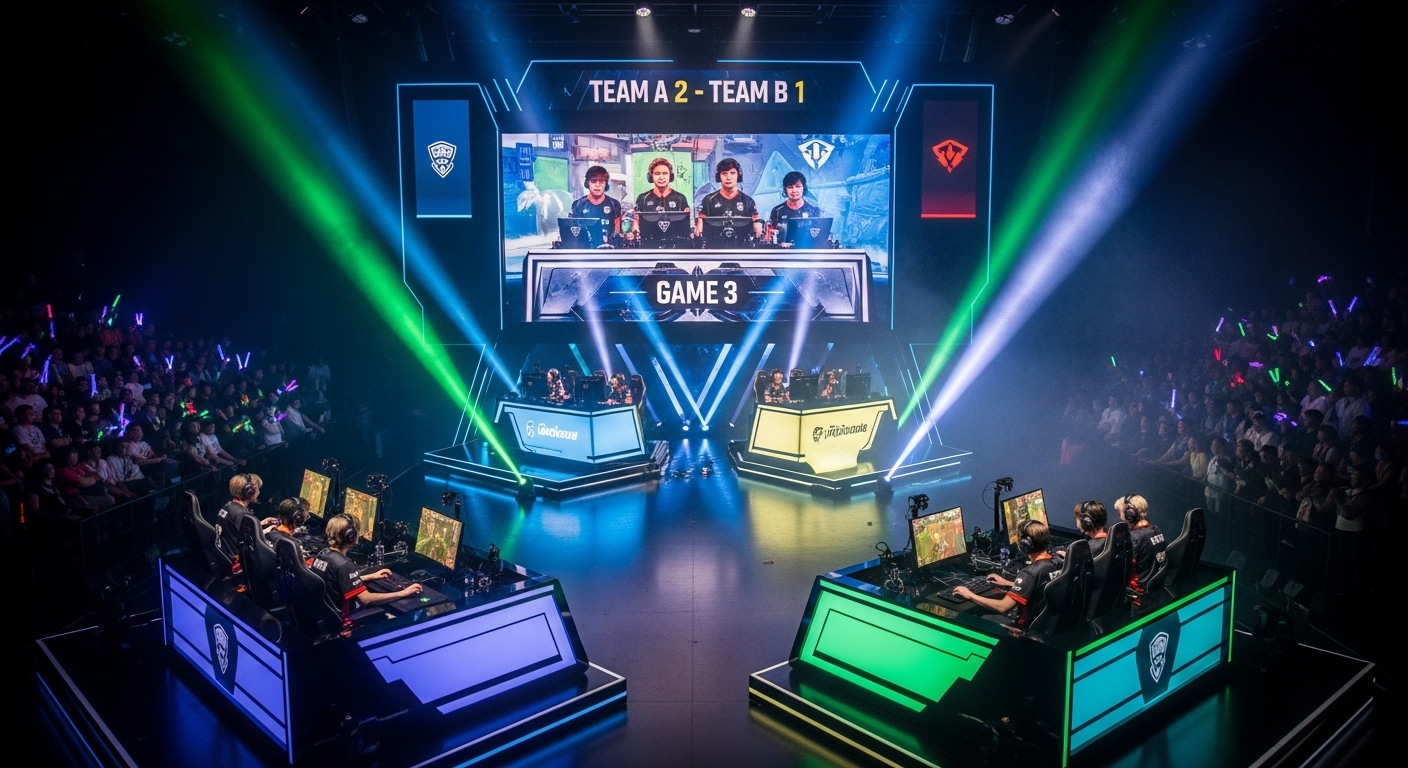
Watching esports has become a global pastime, comparable to attending football matches or basketball games. Platforms like Twitch, YouTube Gaming, and other live-streaming services allow millions of fans to watch matches in real time, often accompanied by commentary, analysis, and fan interaction. The spectator experience is enhanced by overlays showing player stats, in-game strategy breakdowns, and live chat discussions.
Major tournaments such as The International for Dota 2, the League of Legends World Championship, and the Fortnite World Cup attract hundreds of thousands of live attendees and millions more online. These events are more than just competitions; they are cultural festivals celebrating gaming, cosplay, and digital entertainment. The combination of accessibility, interactivity, and high-level gameplay has made esports an engaging spectator experience for fans worldwide.
Economic Impact of Esports
The economic footprint of esports is staggering. Revenue comes from multiple sources, including sponsorships, advertising, media rights, ticket sales, merchandise, and in-game purchases. Corporate sponsors, from technology companies to consumer brands, recognize the potential to reach a young, engaged, and tech-savvy audience.
Esports has also created a wealth of job opportunities beyond professional players. Tournament organizers, shoutcasters, game developers, marketing specialists, and streaming content creators all contribute to the ecosystem. Cities and countries are investing in esports infrastructure, building arenas, training facilities, and event-hosting capabilities. The economic impact extends to tourism, technology, and entertainment industries, demonstrating that esports is more than a passing trend; it is a sustainable and growing industry.
The Cultural Significance of Esports
Esports has reshaped popular culture by challenging traditional notions of sports, entertainment, and community. It has cultivated a global community where players and fans can connect across borders and cultures. The social aspect of esports is profound, with communities forming around games, teams, and content creators. Online forums, Discord servers, and fan events foster social interaction, collaboration, and shared experiences.
Esports also reflects broader cultural trends, such as the rise of digital media, the gamification of entertainment, and the importance of personal branding. Players and influencers become role models, not just for gaming skills but for work ethic, creativity, and online persona management. Esports has even influenced education, with universities offering scholarships, courses, and research opportunities focused on competitive gaming.
Challenges Facing the Esports Industry
Despite its rapid growth, esports faces several challenges. One major concern is the sustainability of professional careers. The lifespan of a professional player can be relatively short due to the intense physical and mental demands, evolving game metas, and competitive pressure. Many players struggle to transition into other careers after retiring from professional gaming.
Another challenge is the issue of accessibility and inclusivity. While esports has a global reach, disparities in internet access, technology availability, and socioeconomic factors limit participation in some regions. Gender representation is also a concern, as female players and content creators face barriers and biases within the esports community.
Additionally, regulatory challenges such as gambling, cheating, and contractual disputes require careful oversight. Governing bodies and game publishers must balance growth, fairness, and ethical considerations to maintain the integrity of esports as a professional and cultural phenomenon.
The Future of Esports
The future of esports looks promising, with continued growth in audience, revenue, and cultural influence. Emerging technologies such as virtual reality, augmented reality, and artificial intelligence are likely to transform the way games are played and experienced. VR esports could introduce new forms of immersive competition, while AI-driven analytics can enhance player training and spectator engagement.
Esports is also likely to integrate further with traditional sports and entertainment industries. Collaborations between esports teams and professional sports franchises, the inclusion of esports in multi-sport events, and mainstream media coverage will continue to legitimize esports as a major cultural force.
Moreover, the expansion of mobile gaming and cloud-based platforms will increase accessibility, allowing more players and fans to participate regardless of geographic or economic constraints. The democratization of esports ensures that talent can emerge from unexpected places, further diversifying the competitive landscape.
Conclusion: Esports as a Cultural Revolution
Esports has evolved from humble beginnings into a global industry that blends competition, entertainment, and digital culture. Its growth reflects technological advancement, changing consumer habits, and the human desire for challenge and connection. Esports is not just about winning games; it is about community, creativity, and pushing the boundaries of what digital experiences can achieve.
As esports continues to professionalize, expand, and integrate with mainstream culture, it is clear that it has become more than a trend—it is a cultural revolution. Whether as a player, spectator, or content creator, participating in esports means engaging with a dynamic, evolving phenomenon that celebrates skill, strategy, and the power of digital connection. The journey of esports is far from over, and its impact on society, economy, and culture will be felt for generations to come.


