
Introduction: The New Frontier of Competition
In the past two decades, a new form of competition has taken the world by storm. Esports, short for electronic sports, has evolved from niche communities of gamers into a multi-billion-dollar global industry. Once dismissed as a pastime for hobbyists, competitive gaming now draws millions of viewers, professional athletes, and corporate sponsorships. The rise of esports is not only a story of technological advancement but also of cultural transformation, as gaming shifts from living rooms to arenas and online streaming platforms.
The Origins of Esports
The roots of esports can be traced back to the late 1970s and 1980s when arcade competitions and early computer games began to emerge. Early titles like Space Invaders and Pac-Man sparked local tournaments, often held in arcades where players competed for high scores. The concept of organized gaming competitions gained momentum in the 1990s with the rise of multiplayer games like Quake, StarCraft, and Counter-Strike. Internet connectivity allowed players from different locations to compete against each other, laying the foundation for modern esports. By the early 2000s, dedicated esports leagues and tournaments started appearing, transforming competitive gaming into a more structured and professional pursuit.
The Growth of Competitive Gaming
The explosive growth of esports is fueled by several factors. One key driver is technological advancement. High-speed internet, powerful gaming consoles, and advanced PCs have made online competition seamless and accessible to millions of players worldwide. Game developers recognized this potential and began designing games with competitive play in mind. Titles like League of Legends, Dota 2, and Fortnite are crafted not only for entertainment but also for professional tournaments.
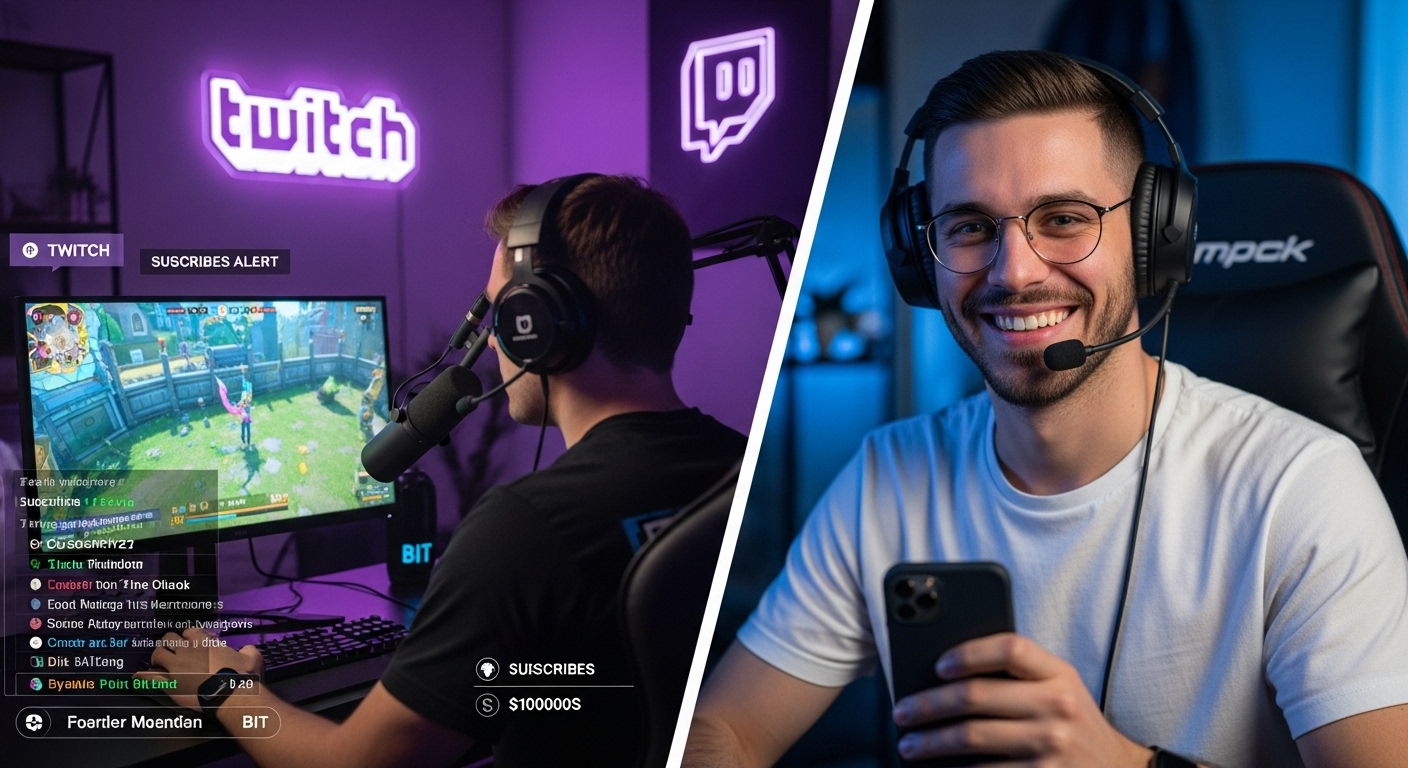
Streaming platforms such as Twitch and YouTube Gaming further accelerated the popularity of esports. These platforms allowed fans to watch live competitions, follow their favorite players, and engage with communities in real time. Unlike traditional sports, esports offers an interactive experience where viewers can chat, participate in polls, and even influence gameplay in some cases. The combination of accessibility, community engagement, and entertainment has made esports a powerful cultural phenomenon.
The Professionalization of Esports
Esports has evolved from casual competitions to a fully professional industry. Today, professional esports players often follow rigorous training schedules, similar to athletes in traditional sports. Many players dedicate eight to twelve hours a day to practice, focusing on strategy, teamwork, and reflexes. Teams employ coaches, analysts, and managers to optimize performance, reflecting the high stakes of professional competition.
Major tournaments now offer prize pools worth millions of dollars, attracting global attention. Events like the League of Legends World Championship, The International for Dota 2, and Fortnite World Cup are broadcasted to millions of viewers worldwide, with stadiums packed with cheering fans. Sponsorship deals from major brands, ranging from energy drinks to technology companies, have transformed esports into a lucrative career path for players, commentators, and content creators alike.
The Impact on Youth and Culture
Esports has had a profound impact on youth culture. Gaming is no longer seen merely as entertainment but as a legitimate career option. Many young players aspire to become professional gamers, influencers, or game developers. Educational institutions have even started offering scholarships and programs in esports, recognizing its growing importance in both culture and the economy.
Beyond career prospects, esports fosters a unique sense of community. Players often form bonds through team collaboration, online forums, and local gaming events. International competitions also encourage cross-cultural interaction, as players and fans connect across borders. The social aspect of esports can enhance teamwork, communication skills, and problem-solving abilities, demonstrating that gaming can have meaningful real-world benefits.
Challenges Facing the Industry
Despite its rapid growth, esports faces several challenges. One major concern is player health. Long hours of practice can lead to physical issues such as repetitive strain injuries, eye strain, and poor posture. Mental health is also a critical factor, as the pressure to perform can cause stress, anxiety, and burnout. Industry stakeholders are increasingly aware of these challenges and are implementing measures to promote player well-being, including mandatory breaks, fitness programs, and psychological support.
Another challenge is regulation and standardization. Unlike traditional sports, esports is relatively new, and rules vary widely between games, tournaments, and regions. Establishing consistent regulations for fair play, anti-cheating measures, and player contracts is an ongoing effort. Additionally, the industry must navigate issues such as toxic behavior, harassment, and gender disparity, striving to create an inclusive environment for all players.
The Role of Technology in Esports
Technology has always been at the heart of esports, driving innovation and shaping the competitive landscape. Advancements in graphics, artificial intelligence, and virtual reality have expanded the possibilities for gameplay and spectator experience. High-performance hardware allows players to execute complex strategies with precision, while AI tools assist in analyzing gameplay, identifying weaknesses, and enhancing training techniques.
Virtual reality and augmented reality are poised to revolutionize esports further, offering immersive experiences that blur the line between the digital and physical worlds. Spectators may soon experience competitions from the player’s perspective, creating a level of engagement previously unimaginable. As technology continues to evolve, esports will likely become even more sophisticated and interactive.
Economic Impact and Career Opportunities
The economic impact of esports is staggering. Global revenue from esports is now estimated in billions of dollars, with contributions from tournament winnings, sponsorships, merchandise, media rights, and streaming platforms. Cities and countries are investing in esports infrastructure, recognizing its potential to drive tourism, create jobs, and stimulate local economies.
Career opportunities in esports extend far beyond professional players. Coaches, commentators, analysts, event organizers, marketers, content creators, and software developers all play vital roles in the ecosystem. Even traditional sports organizations are investing in esports divisions, acknowledging that competitive gaming can attract younger audiences and diversify their portfolios. The industry’s growth signals a new era of digital entrepreneurship and employment, where creativity, strategy, and technological expertise intersect.
Esports and Mainstream Acceptance
Esports has steadily moved into mainstream culture. Celebrities, athletes, and influencers now participate in esports events, bridging the gap between traditional entertainment and competitive gaming. Major broadcasters are beginning to air tournaments on television, and esports has even featured in multi-sport events in some regions. This acceptance reflects a broader societal shift in how gaming is perceived—not as a hobby for children but as a legitimate form of sport, entertainment, and cultural expression.
The influence of esports extends to media and entertainment industries. Game-based storytelling, streaming personalities, and competitive highlights have created new content genres, blending elements of reality television, sports commentary, and digital entertainment. Esports has become a platform where creativity, strategy, and entertainment converge, appealing to a diverse and global audience.
The Future of Esports
The future of esports is promising and full of potential. As technology continues to advance, the boundaries of competitive gaming will expand. Mobile gaming, cloud gaming, and AI-driven experiences are likely to create new genres of esports, attracting players from regions with limited access to traditional gaming hardware.
Esports may also become more integrated with education, wellness, and community programs, using gaming as a tool for learning, collaboration, and social engagement. The industry is expected to grow in professionalism, regulation, and inclusivity, setting standards for ethical competition, player health, and diversity.
Ultimately, esports represents a unique convergence of technology, culture, and human ambition. It is more than just a pastime; it is a testament to how digital innovation can redefine entertainment, sport, and global connectivity.
Conclusion: A Game Changer for the Modern World
Esports has transformed the landscape of entertainment, education, and professional competition. From humble beginnings in arcades to international stadiums filled with fans, it has become a symbol of the digital age’s potential. The rise of esports illustrates how technology, creativity, and community can come together to create new forms of human achievement and cultural expression.
As esports continues to evolve, it promises to inspire future generations, create innovative career paths, and challenge conventional ideas of what it means to compete. Competitive gaming is no longer just a game—it is a global phenomenon that reflects the passions, skills, and aspirations of millions worldwide. The world of esports is here to stay, and its influence is only just beginning to be fully realized.