
In the last decade, the world of competitive gaming, or esports, has evolved from a niche hobby into a multi-billion-dollar industry with a global following. Once dismissed as mere entertainment for teenagers, esports is now recognized as a legitimate form of competition, a thriving career path, and a cultural force influencing technology, media, and social interaction. This transformation highlights not only the power of gaming culture but also the broader shifts in how society values digital entertainment.
What is Esports?
Esports, short for electronic sports, refers to organized, competitive video gaming where players or teams compete against each other in a variety of game genres. Unlike casual gaming, esports involves a structured environment with rules, tournaments, prize pools, and professional players. Games can range from strategy-based titles like League of Legends and Dota 2, to first-person shooters like Counter-Strike: Global Offensive and Call of Duty, to sports simulations such as FIFA and NBA 2K. What sets esports apart from traditional gaming is its focus on competition, spectatorship, and professional growth.
The Growth of Esports
The growth of esports has been nothing short of phenomenal. In the early 2000s, competitive gaming existed primarily in small online communities or LAN (Local Area Network) events where friends and enthusiasts would gather to play against each other. The proliferation of high-speed internet, streaming platforms, and social media has fueled a massive surge in popularity, allowing tournaments to reach millions of viewers worldwide. Major tournaments now offer prize pools that rival those of traditional sports, with some exceeding tens of millions of dollars. This exponential growth has attracted sponsorships, investors, and media companies eager to capitalize on the burgeoning market.
Professional Players and Teams
Professional esports players have become celebrities in their own right. Just like traditional athletes, they undergo rigorous training schedules, maintain strict diets, and often have dedicated coaches and support staff. Teams are signed to contracts and compete in leagues that mirror the structure of traditional sports. Organizations like Cloud9, Team Liquid, and Fnatic have become household names in the gaming community, while players like Faker, s1mple, and Bugha are celebrated for their skill, strategy, and achievements. The professionalization of esports has created opportunities not just for players, but also for commentators, analysts, content creators, and event organizers.
The Role of Streaming and Broadcasting
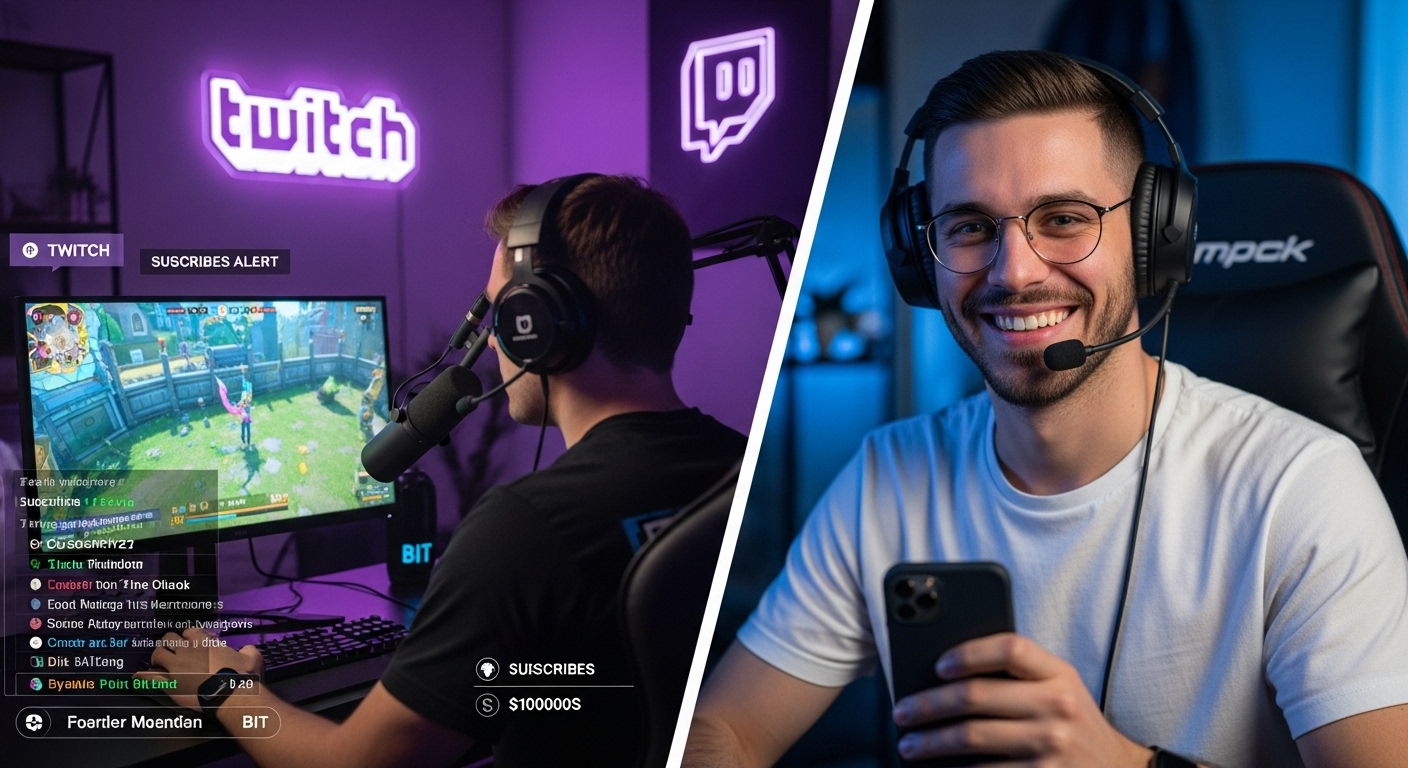
Streaming platforms have played a crucial role in bringing esports to mainstream audiences. Platforms like Twitch, YouTube Gaming, and Facebook Gaming allow fans to watch live matches, interact with players, and build communities around their favorite games. Broadcasting has also evolved with high-quality production values, complete with commentators, live statistics, instant replays, and engaging graphics. The ability to reach millions of viewers globally has transformed esports into an entertainment industry, with fans as invested in the personalities and rivalries as in the games themselves.
Tournaments and Events
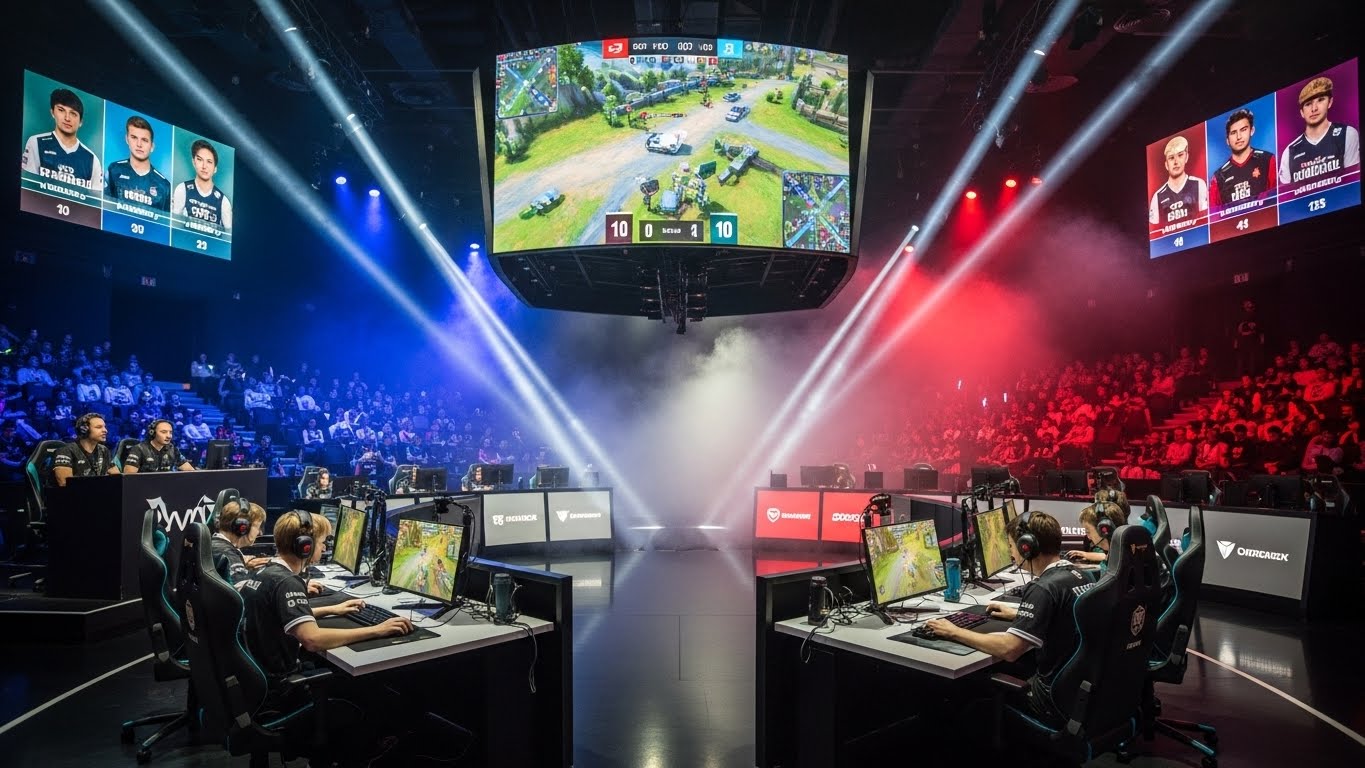
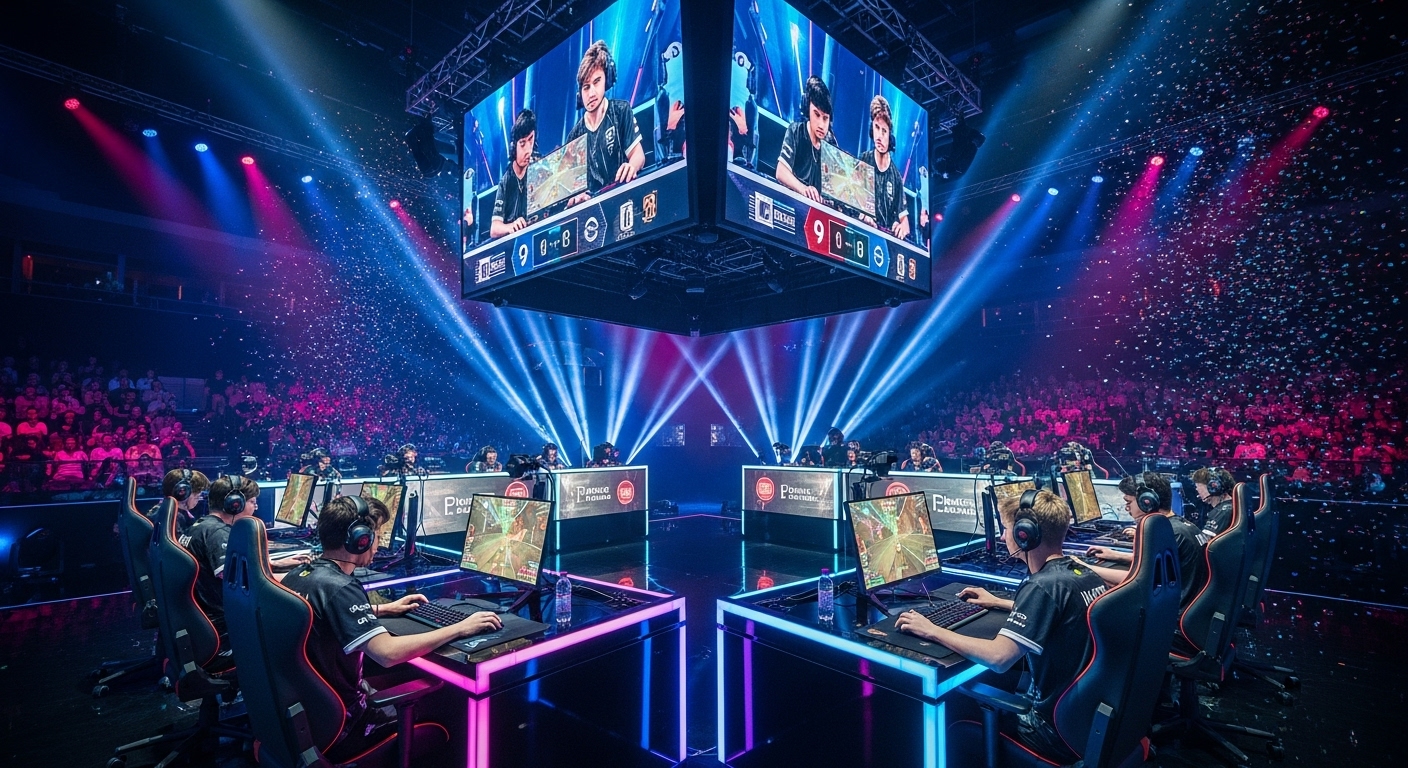
Esports tournaments are the heartbeat of competitive gaming. They come in various formats, including online competitions, regional leagues, and global championships. Events such as The International for Dota 2, the League of Legends World Championship, and the Fortnite World Cup have gained international recognition. These tournaments draw massive audiences both in-person and online, with stadiums filled with cheering fans and streams attracting millions of viewers. The scale and spectacle of these events rival those of traditional sports, demonstrating the cultural significance of esports.
The Economic Impact of Esports
Esports is not only a cultural phenomenon but also a major economic driver. The industry generates revenue from sponsorships, merchandise, advertising, ticket sales, and media rights. Brands across technology, energy drinks, apparel, and consumer goods see esports as a key marketing channel, targeting a young, engaged, and global audience. Additionally, esports stimulates job creation in various sectors, including event management, game development, marketing, coaching, and journalism. The financial opportunities within esports are expanding, making it an attractive career choice for those passionate about gaming.
Esports as a Career Path
The perception of gaming as a viable career has shifted dramatically. Beyond playing professionally, careers in esports include coaching, broadcasting, content creation, event production, marketing, and analytics. Universities and colleges have started offering scholarships and programs dedicated to esports, helping students develop skills in management, communication, and strategy within the industry. For many, esports represents not only a source of income but also a platform for personal growth, creativity, and global networking.
Technology and Innovation in Esports
Technology is at the core of esports. High-performance gaming hardware, fast internet connections, and sophisticated software have all contributed to the growth of competitive gaming. Innovations in virtual reality, augmented reality, artificial intelligence, and streaming technology are poised to further transform the experience for both players and audiences. The esports ecosystem constantly pushes the boundaries of technology, creating new opportunities for developers, engineers, and innovators who can shape the future of digital entertainment.
Social and Cultural Influence
Esports has had a profound impact on social and cultural dynamics. Gaming communities foster collaboration, strategy, and problem-solving, often bridging geographical and cultural divides. Esports also challenges traditional notions of sports and athleticism, proving that mental acuity, reflexes, and strategic thinking are as important as physical ability. Moreover, esports has influenced fashion, music, and entertainment, with players and teams collaborating with mainstream brands and celebrities. The industry has created a sense of identity and belonging for millions of fans worldwide.
Challenges Facing Esports
Despite its rapid growth, esports faces several challenges. Player burnout is a significant concern, with many professionals experiencing physical and mental strain due to long hours of practice and competition. The industry also grapples with issues related to cheating, match-fixing, and the ethical management of young players. Gender disparity remains an ongoing challenge, with female participation and representation lagging behind. Additionally, the reliance on online platforms and sponsorships means that the industry is vulnerable to technological disruptions and market fluctuations.
The Future of Esports
The future of esports looks promising. As technology continues to advance, the reach and influence of esports are expected to grow. Virtual reality tournaments, AI-driven coaching, and global leagues with standardized regulations may redefine competitive gaming. The industry is likely to see increased integration with traditional sports, entertainment, and education, blurring the lines between different forms of competition. With continued investment, innovation, and community engagement, esports is poised to become an enduring and influential component of global culture.
Conclusion
Esports has transformed dramatically from its humble beginnings into a global phenomenon that touches millions of lives. It is more than just competitive gaming; it represents technological innovation, cultural shifts, economic opportunity, and social connection. With professional players, dedicated fans, cutting-edge technology, and growing institutional support, esports continues to break barriers and redefine what it means to compete in the digital age. As the industry matures, it promises not only entertainment but also inspiration, collaboration, and new pathways for careers, creativity, and community in the 21st century.