
Introduction: The Evolution of Competitive Gaming
In the last few decades, the world has witnessed an incredible transformation in the realm of entertainment and competition. What was once considered a niche hobby for enthusiasts sitting in dimly lit rooms has now evolved into a global phenomenon—Esports. The term, short for “electronic sports,” refers to organized competitive gaming where players face off in video games, often watched by millions of fans around the world. Esports has become a legitimate and recognized industry, blending entertainment, technology, skill, and business in ways that traditional sports could hardly have imagined a generation ago. From small local tournaments to massive international championships with multi-million-dollar prize pools, Esports has carved a place in modern culture that transcends age, geography, and background.
The Early Days: From Arcades to LAN Parties
The story of Esports begins long before streaming platforms and professional leagues. In the 1970s and 1980s, video games like Space Invaders and Pac-Man started to captivate players who competed for high scores at arcades. The competitive spirit was already there, but the scale was small. The first known video game competition took place in 1972 at Stanford University, where students competed in the game “Spacewar.” The prize? A one-year subscription to Rolling Stone magazine. It may sound humble now, but that moment planted the seed for something revolutionary.
As personal computers and consoles became more affordable in the 1980s and 1990s, multiplayer gaming began to flourish. Players connected through local area networks (LANs), creating a social and competitive environment that mimicked the camaraderie of sports clubs. Titles like Doom, Quake, and StarCraft became the battlegrounds for some of the first organized competitions. LAN parties were gatherings where friends lugged their bulky monitors and PCs to one place just to compete together—a scene filled with laughter, rivalry, and shared passion.
The Online Revolution and Birth of Global Competition
The true explosion of Esports began with the rise of the internet. Online multiplayer gaming changed everything. No longer did players need to be in the same room or even the same country to compete. The late 1990s and early 2000s saw the birth of games that would define competitive gaming for years to come. StarCraft, Counter-Strike, Warcraft III, and later, League of Legends and Dota 2, became cultural touchstones.
The first professional leagues began to appear, and players started to be recognized not as hobbyists, but as professionals with sponsors, salaries, and fanbases. South Korea was at the forefront of this movement. StarCraft became a national obsession, with televised matches drawing massive audiences. Professional players were treated like celebrities, and Esports began to form its identity as a legitimate competitive discipline.
The Rise of Streaming and the Esports Boom
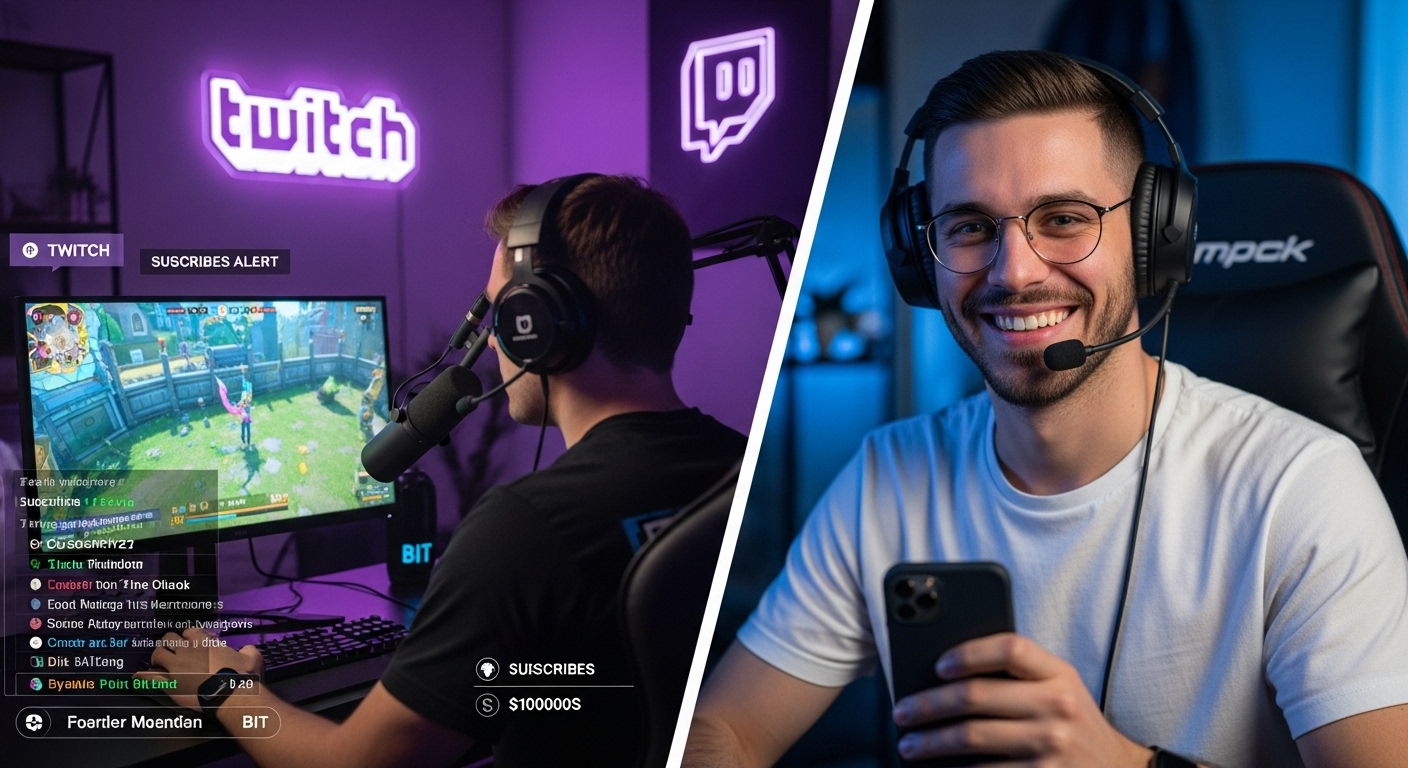
One of the biggest catalysts for the modern Esports era was the emergence of streaming platforms. Services like Twitch, YouTube Gaming, and later others, gave gamers the ability to broadcast their gameplay to global audiences. This shift turned Esports into a spectator sport accessible to anyone with an internet connection. Fans could now watch their favorite players compete live, interact through chats, and follow tournaments in real time.
Streaming democratized Esports by eliminating the need for traditional broadcasting infrastructure. A passionate gamer could go from an unknown player to a global icon overnight. This created a new kind of celebrity—one not based on physical prowess, but on digital skill, personality, and connection with the audience. Streamers who participated in Esports tournaments became influencers, and influencers began hosting their own competitive events, further blending entertainment and competition.
Professionalization and the Growth of Esports Leagues
By the mid-2010s, Esports had matured into a professional ecosystem. Major companies, sponsors, and investors began to take notice. Esports organizations emerged, functioning much like sports teams, complete with coaches, analysts, training facilities, and management staff. Players signed contracts, and tournaments became more structured.
Games like League of Legends, Counter-Strike: Global Offensive, Dota 2, and Overwatch pioneered structured leagues. The League of Legends World Championship became an annual spectacle, drawing millions of viewers worldwide and filling massive arenas. Dota 2’s The International set records for the largest prize pools in gaming history, funded by community contributions. These events rivaled, and in some cases surpassed, traditional sporting events in viewership and production value.
This period also saw the rise of cross-industry partnerships. Traditional sports teams began investing in Esports, recognizing the opportunity to engage younger audiences. The NBA launched the NBA 2K League, while football clubs like Paris Saint-Germain and Manchester City created their own Esports divisions. The line between sports and Esports blurred, signaling a new era of collaboration and mutual respect between the two worlds.
The Esports Athlete: Skill, Strategy, and Discipline
A common misconception about Esports is that it requires less discipline or effort than traditional sports. In reality, professional gamers undergo rigorous training regimens. Hours of daily practice, strategic planning, physical conditioning, and mental health management are all part of their routine. Esports athletes often work with coaches, nutritionists, and psychologists to maintain peak performance.
Reflexes, hand-eye coordination, game sense, and strategic thinking are essential skills. In team-based games, communication and synergy are as vital as in basketball or football. Success is determined not just by raw talent, but by teamwork, adaptability, and focus. The level of competition is intense, and only the most dedicated players make it to the top.
Moreover, Esports has introduced a unique form of sportsmanship and rivalry. The digital arena might lack physical contact, but it demands precision, split-second decision-making, and mental resilience. Players must remain composed under extreme pressure, knowing that millions might be watching their every move.
Esports as a Cultural Phenomenon
Esports has transcended gaming—it has become part of modern culture. From music collaborations to fashion partnerships, Esports influences entertainment, media, and lifestyle. Major artists perform at Esports events, and collaborations between gaming companies and luxury brands are becoming common. Esports athletes appear in advertisements, and their stories inspire documentaries and series.
The fan culture around Esports is as vibrant as any other sport. Fans create art, share memes, follow their favorite teams, and even attend live events dressed in cosplay. Communities have formed around games and players, fostering a sense of belonging that extends beyond the screen. Social media has amplified this connection, making Esports a shared global experience.
The Role of Education and Career Opportunities in Esports
As Esports continues to grow, educational institutions have started recognizing its potential. Universities around the world now offer Esports scholarships, much like traditional athletics. Courses in game design, broadcasting, and Esports management are preparing the next generation of industry professionals.
Career opportunities extend far beyond professional play. Esports requires event organizers, commentators, marketers, analysts, and production crews. The industry supports a vast network of talent, both on and off the stage. For many young people, Esports has opened doors to careers they never imagined possible—combining their passion for gaming with real professional development.
The Economics of Esports: A Billion-Dollar Industry
The Esports industry has become a financial powerhouse. Global revenues have surpassed the billion-dollar mark, driven by sponsorships, advertising, ticket sales, and media rights. Brands see Esports as an effective way to reach the digital generation, and investment continues to pour in.
Prize pools for major tournaments reach astonishing figures. Dota 2’s The International has offered tens of millions in rewards, while League of Legends continues to draw record-breaking audiences, making it one of the most watched events in the world. Sponsorship deals with companies ranging from technology giants to consumer brands have further legitimized the field.
Esports also plays a vital role in the gaming industry’s overall economy. Competitive gaming drives sales of hardware, accessories, and software. The demand for better performance equipment—from high-refresh monitors to specialized controllers—reflects the influence of Esports on consumer behavior.
Challenges Facing the Esports Industry
Despite its meteoric rise, Esports is not without challenges. The industry is still young and evolving, facing issues related to player burnout, fair competition, regulation, and sustainability. The intense training schedules can take a toll on mental and physical health, leading to early retirements.
Another concern is maintaining competitive integrity. Match-fixing, cheating, and performance-enhancing substances have occasionally tarnished Esports’ image. Organizations and developers are continually working to enforce fair play through stricter rules and improved monitoring.
Financial stability for smaller teams and players also remains a challenge. While top-tier teams thrive, many others struggle to secure funding and sponsorship. Building a sustainable career in Esports often depends on visibility and brand management, making it a competitive environment both in and out of the game.
Diversity and Inclusion in Esports
Esports, like many industries, is grappling with issues of diversity and inclusion. Historically, the scene has been male-dominated, but the tides are changing. Women, non-binary, and underrepresented groups are making their mark as players, commentators, and industry leaders. Initiatives and tournaments that promote inclusivity are helping to shape a more welcoming environment.
Representation matters in Esports because it reflects the global community of gamers. The more inclusive the industry becomes, the richer the stories, perspectives, and innovations it will produce. The rise of diverse voices ensures that Esports continues to grow not just as a competition, but as a culture that embraces everyone.
Technology and the Future of Esports
Technology is at the heart of Esports, and its evolution continues to shape the industry. Faster internet, improved hardware, and virtual reality are pushing the boundaries of what’s possible. The integration of artificial intelligence, data analytics, and machine learning is enhancing player performance and audience engagement.
Virtual reality Esports is beginning to emerge, offering immersive experiences that blur the line between the virtual and the physical. Augmented reality could transform live events, turning stadiums into interactive spaces where fans participate in new ways. Cloud gaming will make Esports even more accessible, allowing anyone with a device and an internet connection to compete at a high level.
The metaverse, a concept blending social interaction, gaming, and digital economy, may redefine Esports altogether. In this digital ecosystem, players and fans could coexist in shared virtual worlds, creating experiences beyond traditional gameplay. The potential for growth is limitless.
The Global Impact of Esports
Esports is more than an industry—it’s a global movement that connects people across borders. It promotes cross-cultural exchange, teamwork, and communication in a digital age. Countries like South Korea, China, the United States, and Sweden have become Esports powerhouses, each contributing to the diversity of the scene.
Esports has also found its way into international sporting events. The inclusion of Esports as a medal event in the Asian Games and its consideration for future Olympic programs demonstrates how far it has come in terms of legitimacy. Governments are beginning to recognize professional gamers as athletes, providing visas and support similar to those offered in traditional sports.
The Emotional Power of Esports
Beyond the technology, the fame, and the money, what makes Esports truly special is its emotional connection. The excitement of a comeback victory, the heartbreak of a missed opportunity, the roar of the crowd when a player pulls off an unbelievable play—these moments capture the essence of human competition. Esports taps into the same emotions that make sports so compelling. It brings people together to celebrate skill, passion, and perseverance.
Fans form communities not just around games, but around shared experiences. The stories of underdog teams rising to victory or veteran players achieving redemption resonate deeply. Esports gives millions of people around the world a sense of belonging, identity, and purpose.
Conclusion: The Future Is Now
Esports is no longer the future—it is the present. What started as a pastime has become a global cultural force that bridges entertainment, technology, and sport. It represents the spirit of a generation that grew up with digital media and found in gaming not just fun, but meaning.
The rise of Esports reflects the evolution of human competition itself. It shows how passion, skill, and innovation can redefine what it means to be an athlete, a fan, and a part of a community. As technology continues to advance and society embraces digital culture, Esports will only grow stronger, more diverse, and more influential.
In this new digital arena, the boundaries between reality and the virtual fade away, leaving one universal truth: competition, in any form, unites us. Whether on a field, in a ring, or behind a screen, the thrill of striving for victory remains timeless. Esports is not just the next chapter of sports—it’s a story of humanity adapting, evolving, and celebrating the endless possibilities of play.