Introduction: The Digital Revolution in Gaming
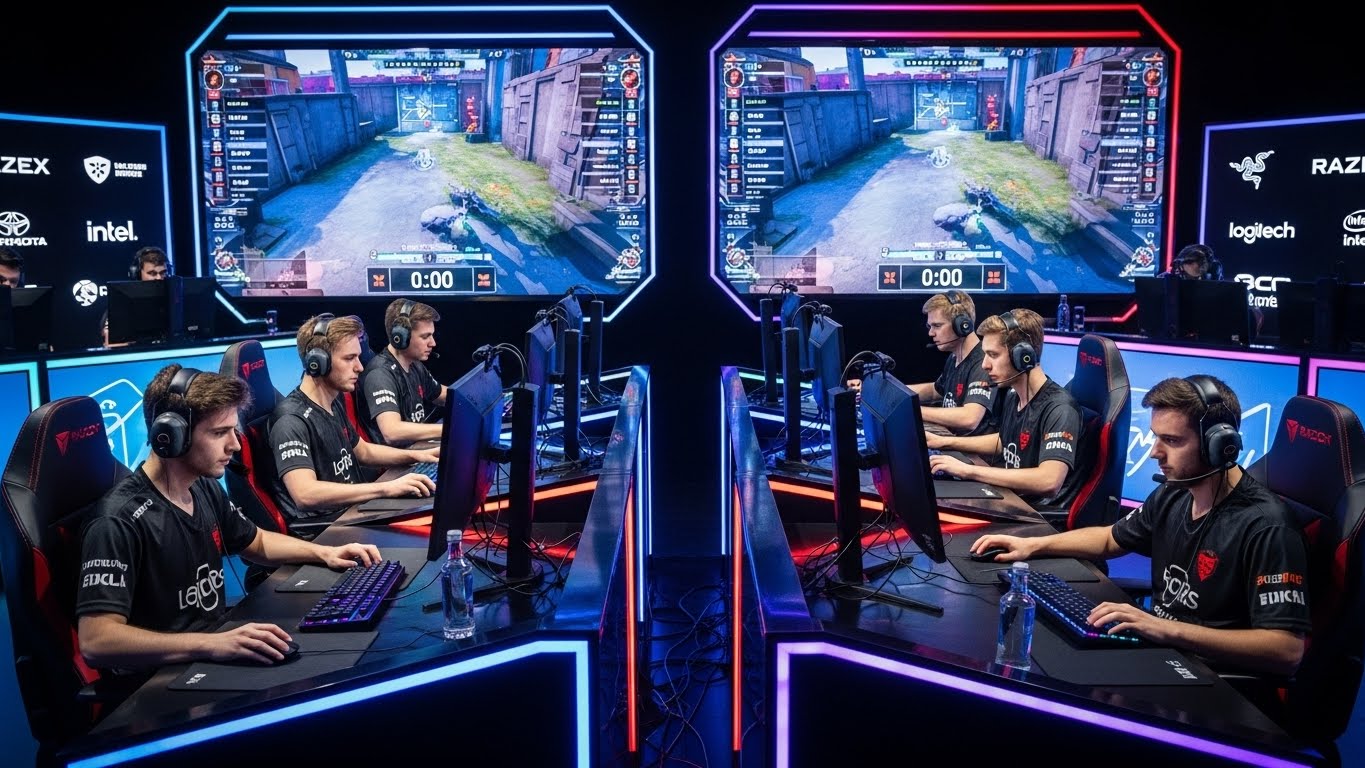
In the last decade, gaming has transformed from a solitary pastime to a highly competitive, global phenomenon. At the heart of this transformation lies esports, a dynamic industry where professional players compete in video games at a level that rivals traditional sports. Esports is more than just gaming; it is a convergence of technology, entertainment, and athleticism. Millions of fans across the world tune in to watch tournaments, support their favorite players, and engage in an ever-expanding digital community. The growth of esports reflects a larger societal shift in how people consume entertainment and redefine what it means to be an athlete in the digital age.
The History and Evolution of Esports
Esports is not a sudden trend; its roots date back to the early 1970s when competitive gaming first began to capture public attention. The first recorded video game competition took place at Stanford University in 1972, with students competing in the game Spacewar. By the 1980s, arcade games like Pac-Man and Donkey Kong introduced competitive gaming to wider audiences, though prize pools were small, and competitions were primarily local events.
The real transformation began with the advent of the internet in the 1990s. Multiplayer games such as Quake and StarCraft created opportunities for gamers to compete online, breaking geographical boundaries. Tournaments began offering cash prizes, and communities of players formed around shared interests and strategies. The 2000s saw the establishment of professional esports leagues, the creation of dedicated esports arenas, and the first live-streamed tournaments. Today, esports tournaments can attract hundreds of thousands of live spectators and millions more online viewers, making it a multi-billion-dollar global industry.
Popular Esports Genres and Games
Esports is not confined to a single game or genre; it encompasses a wide variety of games, each with its own competitive scene. Multiplayer Online Battle Arenas (MOBAs) like League of Legends and Dota 2 are among the most popular, emphasizing teamwork, strategy, and fast decision-making. First-person shooters (FPS) such as Counter-Strike: Global Offensive and Call of Duty test reflexes, precision, and communication skills.
Battle royale games like Fortnite and Apex Legends have introduced a new form of esports, where individual skill, strategic planning, and adaptability are essential. Fighting games like Street Fighter and Super Smash Bros. appeal to a niche yet passionate audience that values technique and reflexes. Additionally, sports simulation games like FIFA and NBA 2K have bridged the gap between traditional sports and esports, attracting fans who enjoy both real-life athletic competition and digital gaming.
Esports as a Career Path
One of the most striking aspects of esports is its transformation into a legitimate career path. Professional esports players earn salaries, sponsorships, and prize money comparable to traditional athletes in some sports. For example, top players in League of Legends or Dota 2 tournaments can earn millions of dollars through winnings, endorsements, and streaming.
Beyond players, esports offers career opportunities in coaching, team management, event organization, broadcasting, content creation, and game development. Organizations and franchises similar to traditional sports teams have emerged, with professional management, marketing strategies, and dedicated training facilities. Universities have even begun offering esports scholarships, recognizing the growing value and legitimacy of digital competition. This shift highlights the professionalization of gaming and the broadening definition of sports in the 21st century.
The Role of Technology in Esports
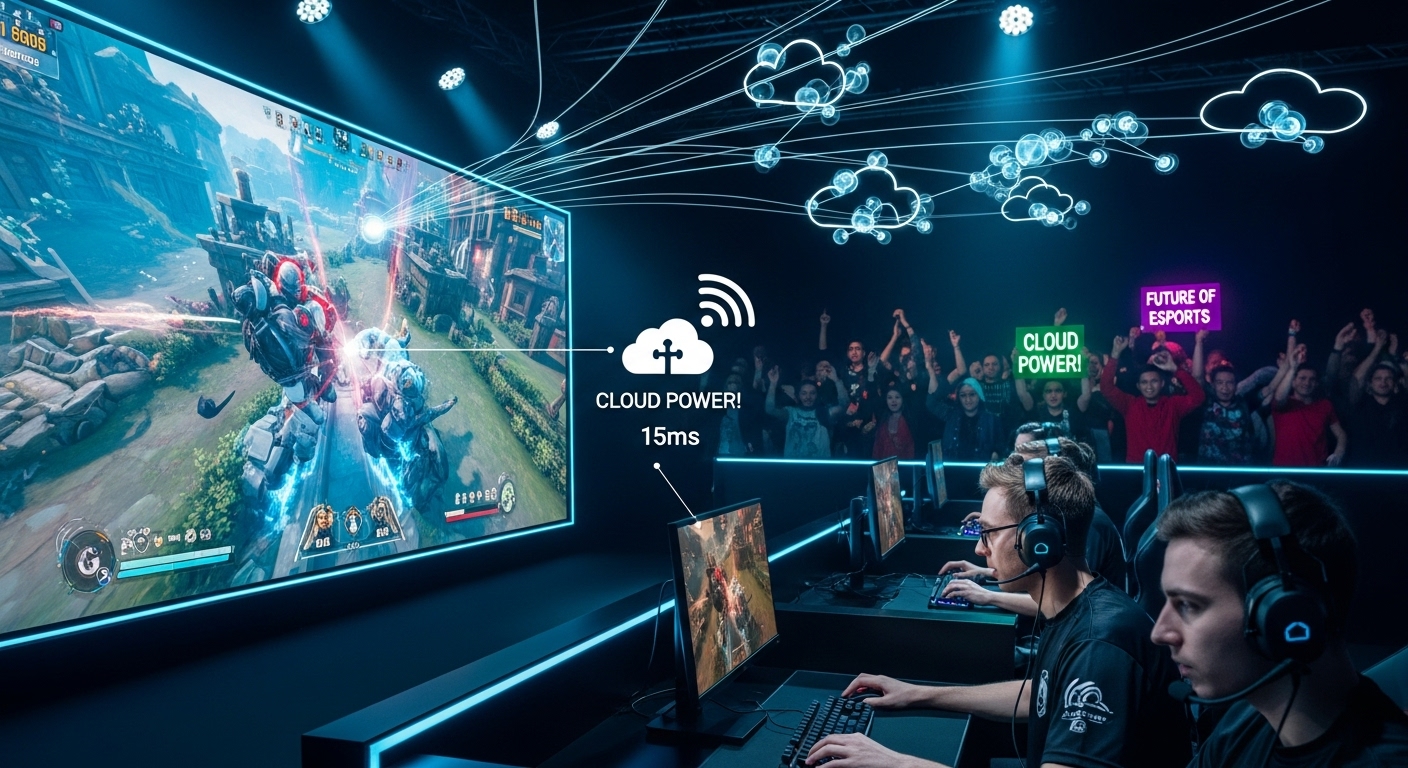
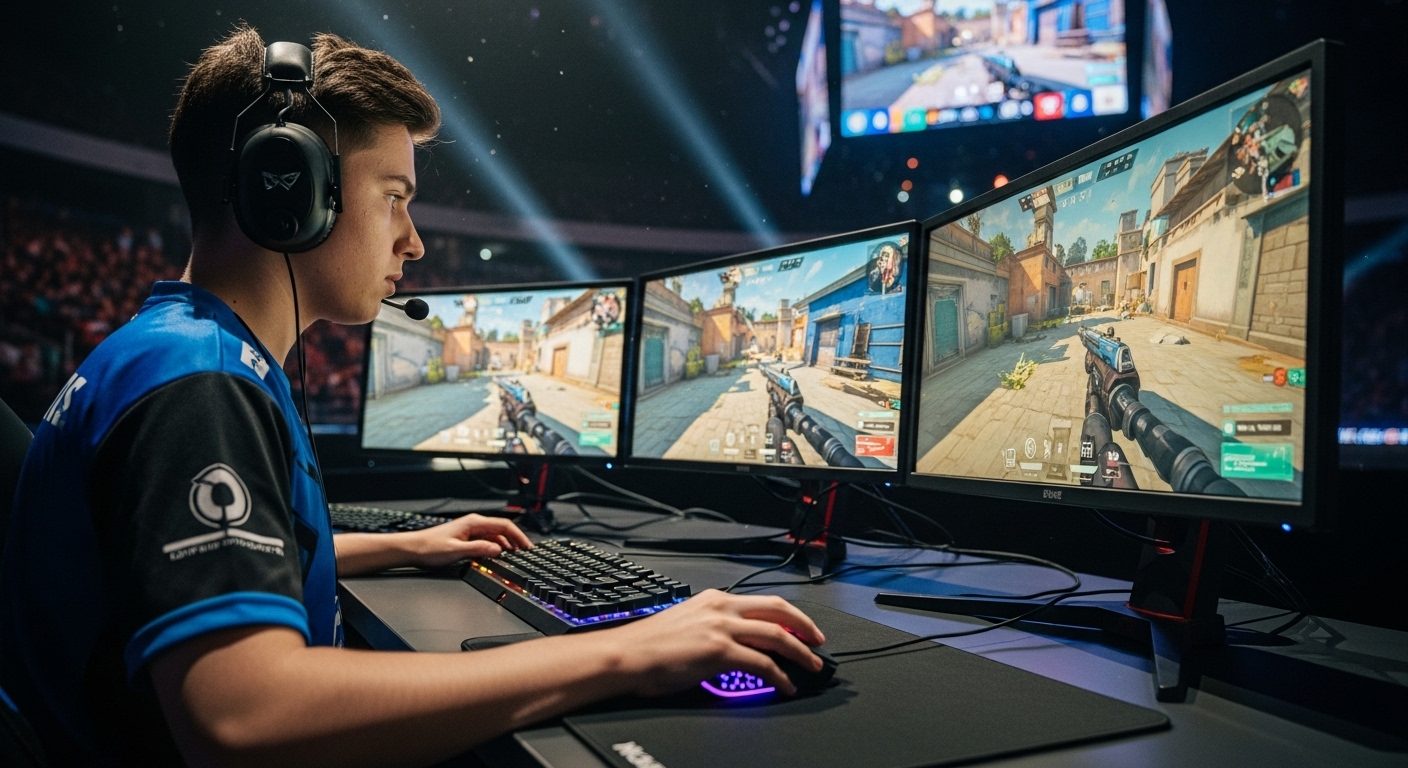
Esports and technology are inseparable. High-speed internet, advanced gaming hardware, and sophisticated streaming platforms have made competitive gaming accessible to a global audience. Gaming peripherals like high-refresh-rate monitors, mechanical keyboards, and precision mice give players the edge needed for top-level performance.
Streaming platforms such as Twitch and YouTube Gaming have revolutionized how fans engage with esports. Real-time viewing, live commentary, and community interaction enhance the spectator experience. Artificial intelligence and analytics are also increasingly used in esports, helping teams analyze gameplay, optimize strategies, and improve performance. Technology does not just facilitate competition; it shapes the entire esports ecosystem, from training to fan engagement and broadcasting.
Esports and the Global Audience
The global appeal of esports is one of its most remarkable aspects. Major tournaments attract audiences rivaling those of traditional sports championships. The 2023 League of Legends World Championship reportedly had over 100 million viewers globally, illustrating the massive reach of esports. Fans participate in live events, online communities, and social media, creating a vibrant culture around games, teams, and players.
Esports transcends cultural and geographical boundaries, bringing together individuals from diverse backgrounds. This global connectivity fosters shared experiences and a sense of belonging, transforming gaming from a solitary hobby into a worldwide phenomenon. The social and cultural impact of esports is significant, influencing fashion, music, and even traditional media coverage.
Challenges Facing the Esports Industry
Despite its growth, esports faces several challenges. The competitive nature of gaming can lead to physical and mental health issues among players, including repetitive strain injuries, eye strain, and burnout. The pressure to perform at the highest level, combined with long practice hours, can take a toll on mental well-being.
Additionally, the esports industry struggles with regulation and standardization. Unlike traditional sports with established governing bodies, esports is fragmented across different games, leagues, and platforms. This fragmentation can create issues related to player contracts, tournament rules, and fair play. Gender diversity and inclusivity also remain challenges, as female gamers and minority groups are underrepresented in professional esports. Addressing these challenges is crucial for the sustainable growth of the industry.
The Economic Impact of Esports
Esports is not only a cultural phenomenon but also an economic powerhouse. The industry generates revenue through sponsorships, advertising, ticket sales, merchandise, and media rights. Major brands, from technology companies to consumer goods, invest heavily in esports, recognizing its potential to reach a young, engaged audience.
The growth of esports has also spurred job creation beyond players. Event organizers, commentators, marketing professionals, and technical staff all contribute to a robust economic ecosystem. Cities hosting esports tournaments benefit from tourism, local business engagement, and international attention. The economic impact of esports highlights its potential to influence industries far beyond gaming.
The Future of Esports
The future of esports is bright and full of possibilities. Advancements in virtual reality (VR) and augmented reality (AR) may create entirely new competitive experiences, allowing players and fans to immerse themselves in games like never before. Mobile esports is rapidly growing, particularly in regions like Southeast Asia and Latin America, expanding access to competitive gaming for millions of players.
Educational institutions are increasingly integrating esports into curricula, offering degrees and research opportunities in game design, sports management, and digital media. The lines between traditional sports and esports continue to blur, with collaborations and crossover events introducing esports to wider audiences. As technology evolves and societal perceptions shift, esports is likely to become even more mainstream, reshaping entertainment, sports, and culture for generations to come.
Conclusion: Esports as a Cultural and Competitive Force
Esports represents a remarkable convergence of technology, culture, and competition. It has transformed gaming into a professional, globally recognized phenomenon, offering career opportunities, entertainment, and a sense of community to millions. While challenges remain, the growth and influence of esports are undeniable.
As esports continues to evolve, it will not only redefine what it means to be a professional athlete but also how people experience entertainment and connect with each other. The digital arenas of esports are more than just virtual battlegrounds—they are the new frontier of competition, innovation, and human creativity. The rise of esports signals a shift in our collective culture, embracing the potential of digital worlds while celebrating the timeless thrill of competition.