Introduction: The Emergence of Esports
Esports, or competitive gaming, has rapidly evolved from a niche pastime into a global phenomenon. Unlike traditional sports, esports combines technology, strategy, teamwork, and reflexes in a virtual arena where skill is paramount. It is no longer just about playing video games for fun—esports is a professional pursuit with millions of fans, international tournaments, and lucrative sponsorship deals.
What sets esports apart is its accessibility and diversity. Players from all walks of life can compete at high levels, while audiences from across the globe can watch, cheer, and engage with their favorite players. This blog explores the rise of esports, its structure, cultural and economic impact, and the transformative role it plays in the modern entertainment landscape.
The History and Evolution of Esports
The roots of esports trace back to the 1970s, when video game competitions began in arcades with titles such as “Pong” and “Space Invaders.” Early tournaments were small, localized events with limited spectatorship.
In the 1990s, competitive gaming started gaining prominence with the emergence of multiplayer PC games like “StarCraft,” “Quake,” and “Counter-Strike.” South Korea pioneered professional esports, creating organized leagues and televised competitions that attracted widespread attention. This marked the beginning of esports as a serious competitive pursuit.
The 2000s and 2010s brought a global explosion of esports with online streaming platforms. Games such as “League of Legends,” “Dota 2,” “Overwatch,” and “Fortnite” became international phenomena. Tournaments now feature millions of dollars in prize pools and attract audiences that rival traditional sporting events, signaling the legitimacy and mainstream appeal of esports.
Understanding Competitive Gaming
Esports is composed of various game genres, each requiring different skills and strategies. Popular genres include Multiplayer Online Battle Arenas (MOBAs), First-Person Shooters (FPS), Real-Time Strategy (RTS), and Battle Royale games.
Professional esports players dedicate hours to training, often exceeding six to ten hours a day. This training emphasizes reflexes, strategic thinking, team coordination, and mental endurance. Teams have coaches, analysts, and support staff to optimize performance and prepare for high-pressure tournaments.
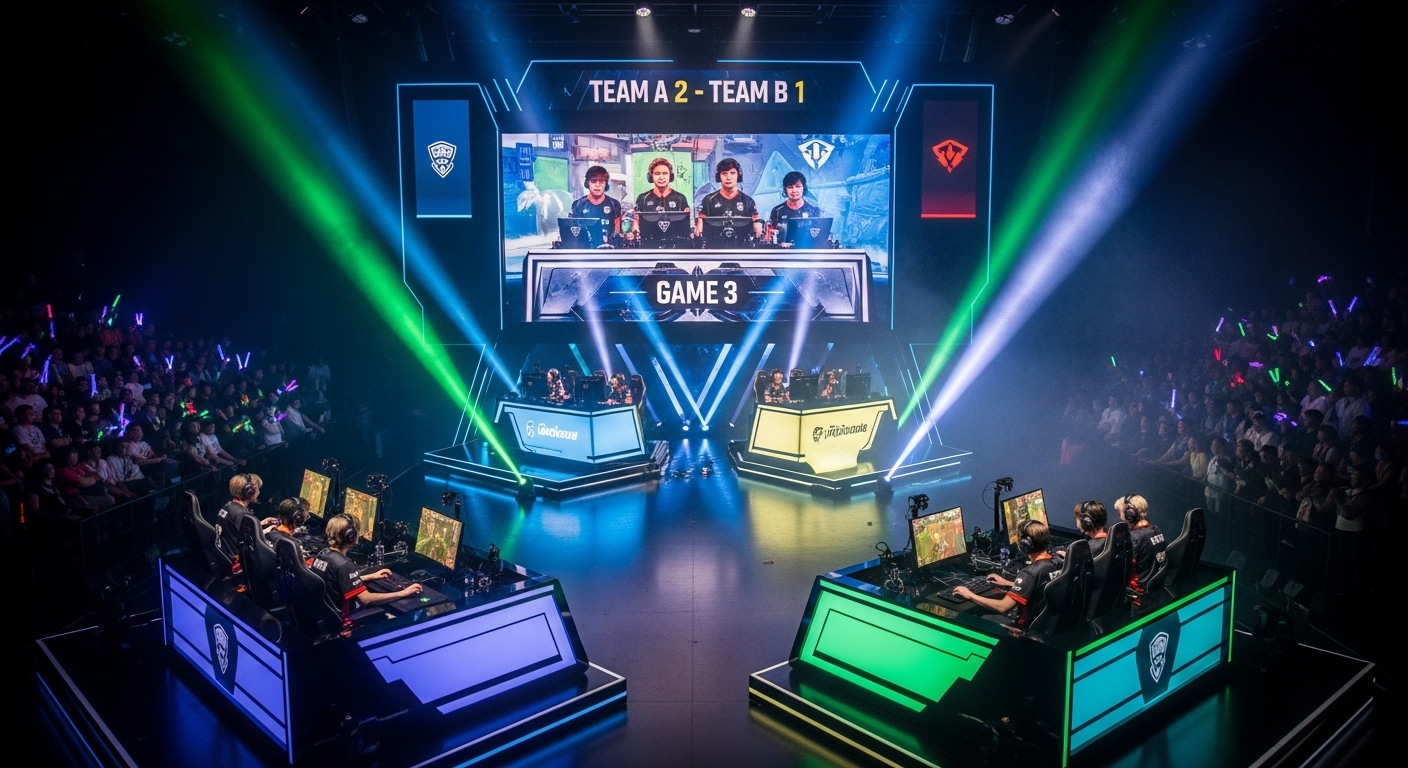
Esports tournaments operate on structured systems similar to traditional sports, with leagues, playoffs, and championships. Major events such as the League of Legends World Championship or The International draw millions of viewers worldwide, making esports a truly global phenomenon.
Esports as a Career
Esports offers legitimate career paths for players and industry professionals. Top players earn salaries, endorsements, and prize money from competitions. Beyond playing, careers in esports include coaching, analytics, broadcasting, content creation, and event management.
Streaming platforms have allowed professional gamers to develop personal brands, engage with fans, and monetize content. Colleges and universities now offer esports scholarships and programs, further legitimizing esports as a career pathway and providing opportunities for skill development both on and off the screen.
The professionalization of esports ensures that it is no longer a hobby but a viable career choice that combines competitive spirit, creativity, and business acumen.
Global Reach and Cultural Impact
Esports has transcended geographical boundaries. Countries such as South Korea, China, the United States, and European nations have established thriving esports communities. Online platforms enable global competition, allowing teams from different continents to compete on the same stage.
The cultural impact of esports is significant. Professional players become celebrities, and games shape youth culture, inspiring creativity, collaboration, and strategic thinking. Esports encourages inclusivity, as success depends on skill rather than physical attributes, opening doors for diverse participants.
Esports also fosters social connections. Online communities unite players and fans through shared interests, while local and regional tournaments strengthen community engagement and cultural exchange.
Cognitive and Mental Skills in Esports
Esports demands advanced cognitive skills. Players must make split-second decisions, anticipate opponents’ strategies, and communicate effectively with teammates. This requires critical thinking, situational awareness, multitasking, and adaptability.
Mental resilience is equally important. High-level esports players experience pressure similar to athletes in traditional sports, requiring focus, stress management, and strategic composure. Training programs increasingly include mental coaching, ensuring that players maintain peak performance during competitions.
Participation in esports also enhances problem-solving skills and creativity. Gamers experiment with tactics, analyze performance, and continuously adapt to evolving gameplay scenarios, demonstrating the intellectual complexity of competitive gaming.
Economic Significance of Esports
Esports has become a multi-billion-dollar industry with diverse revenue streams. Tournament prize money, sponsorships, merchandise, and advertising contribute to its financial growth. Major events offer prize pools exceeding tens of millions of dollars, attracting elite players and teams globally.
Corporate sponsorships from technology brands, beverage companies, apparel, and media outlets drive the financial ecosystem of esports. Streaming platforms monetize viewership through ads, subscriptions, and in-platform purchases, creating sustainable revenue channels.
Esports also generates employment opportunities in event management, coaching, content production, and marketing. Grassroots initiatives and community tournaments further stimulate local economies by encouraging participation and engagement.
Technology and Innovation in Esports
Technology is the backbone of esports. High-speed internet, advanced hardware, and sophisticated game software enable competitive gameplay and real-time global spectating. Innovations such as graphics enhancements, motion tracking, and artificial intelligence continue to advance the esports experience.
Streaming platforms allow fans to watch live competitions, interact with players, and engage with global communities. Social media amplifies this effect, promoting tournaments, players, and gaming culture worldwide.
Emerging technologies, including virtual reality and augmented reality, promise to further revolutionize esports. These innovations create immersive experiences for players and spectators alike, expanding the boundaries of competition and entertainment.
Esports and Youth Engagement
Esports has had a profound influence on younger generations. Young players see professional gamers as role models and aspire to reach competitive levels themselves. Gaming communities provide social connections, mentorship, and opportunities for skill development.
Esports encourages creativity and strategic thinking. Players devise strategies, form teams, and develop personal play styles. Streaming and content creation allow young gamers to showcase talent, build communities, and gain recognition.
Schools and universities increasingly support esports programs, providing structured opportunities for growth and bridging the gap between casual gaming and professional competition. These initiatives highlight the educational and developmental potential of esports beyond entertainment.
Challenges Facing Esports
Despite its growth, esports faces challenges. Player burnout from intense training schedules is common, and mental health support is becoming an essential part of professional programs. Maintaining balance between practice, competition, and personal life is critical for sustainable performance.
Other issues include cheating, toxicity in online communities, and the need for standardized regulations to ensure fairness. Public perception of esports as a “real sport” is still evolving, though increasing recognition and institutional support are gradually changing opinions.
Addressing these challenges is crucial for esports to maintain integrity, promote inclusivity, and continue growing as a legitimate competitive and cultural activity.
The Future of Esports
The future of esports is bright and full of potential. With technological innovations, professionalization, and growing global recognition, esports is poised to rival traditional sports in popularity and influence. Virtual reality, augmented reality, and interactive streaming will redefine both gameplay and spectator experiences.
Esports will continue to create opportunities for players, coaches, and industry professionals. It will promote cultural exchange, inclusivity, and community engagement on a global scale. While evolving rapidly, esports will remain anchored in skill, strategy, teamwork, and competition, securing its place in the entertainment and sports landscape for decades to come.
Conclusion: Esports as a Cultural and Competitive Force
Esports represents a transformation in how we view competition, entertainment, and community. It merges technology, strategy, and skill, creating a new kind of athleticism that appeals to diverse audiences worldwide. Its global reach, economic significance, and cultural impact are undeniable, making it a defining element of modern digital culture.
From casual gamers to professional athletes, esports inspires, challenges, and connects millions of people. It is more than a hobby—it is a career, a community, and a cultural phenomenon. As technology advances and opportunities expand, esports will continue to shape the future of competitive entertainment, inspiring new generations of players, fans, and innovators around the world.