
Esports, once considered a niche hobby for video game enthusiasts, has rapidly transformed into a global phenomenon that rivals traditional sports in popularity, revenue, and cultural significance. From local gaming tournaments to multi-million-dollar international championships, esports has grown into a professional industry with millions of fans, players, and investors worldwide. Its influence extends beyond entertainment, impacting technology, social interactions, education, and careers. This article explores the rise of esports, its benefits, challenges, and its profound effect on modern society.
The Origins of Esports
The roots of esports can be traced back to the late 1970s and early 1980s when video games first became widely available. Early arcade competitions, featuring games like Space Invaders and Pac-Man, laid the foundation for organized gaming contests. By the 1990s, networked gaming began to emerge with titles like StarCraft, Quake, and Counter-Strike, enabling players to compete across cities and even countries. These early competitions helped establish the competitive gaming community and set the stage for the esports industry we see today.
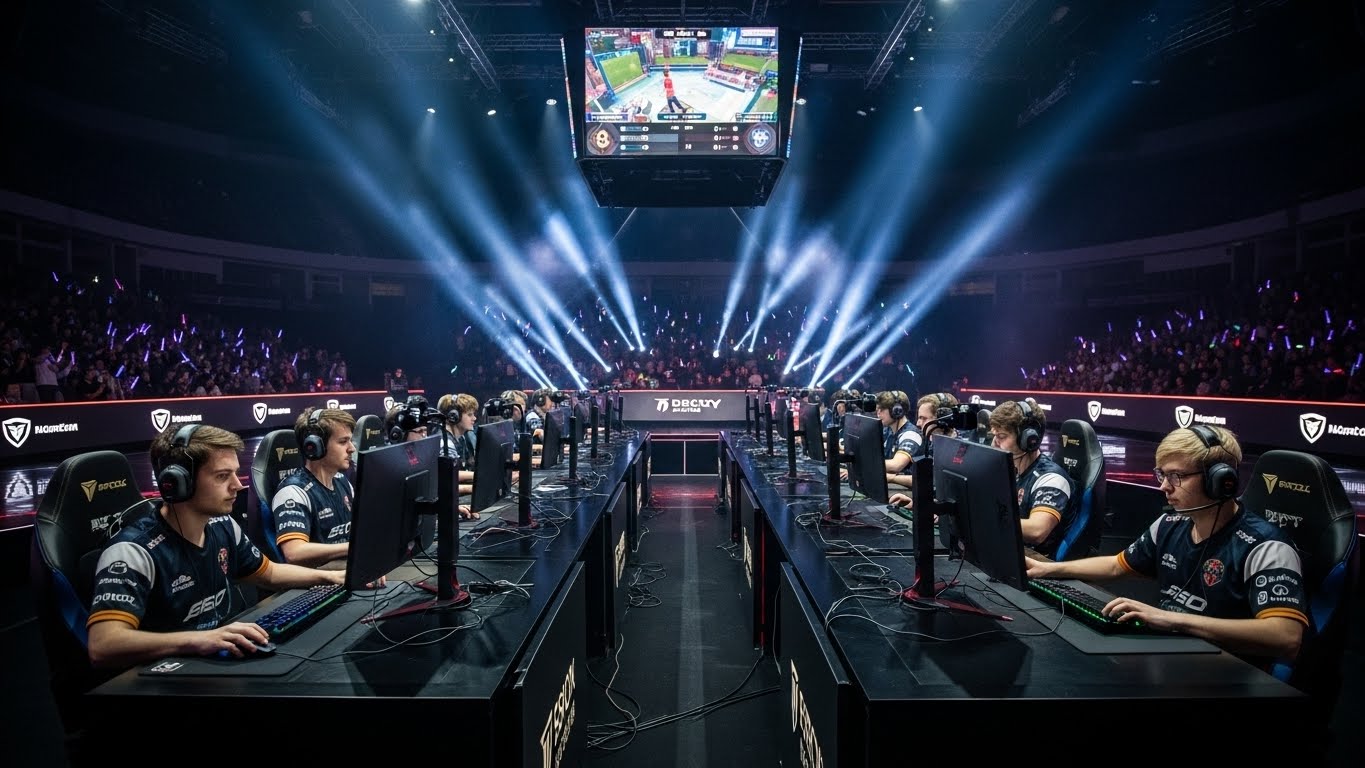
The 2000s brought significant technological advancements, including faster internet and streaming capabilities. Online multiplayer games and dedicated esports leagues began to flourish. Today, esports tournaments draw millions of viewers worldwide, offering enormous prize pools and professional opportunities for players, coaches, analysts, and content creators.
Professional Esports Careers
Contrary to the common stereotype that gaming is purely recreational, professional esports players follow rigorous training schedules comparable to traditional athletes. Many spend six to ten hours a day practicing, focusing on reflexes, strategy, teamwork, and mental endurance. Physical fitness and healthy lifestyle choices, including proper nutrition and sleep, are also emphasized to maintain peak performance.
Professional esports teams often include coaches, analysts, and psychologists to ensure players perform at their best. Success in esports requires a combination of technical skill, strategic thinking, and mental resilience. While players may retire from professional competition in their mid-twenties due to the intensity of the career, many transition into coaching, streaming, or management, proving that esports offers long-term opportunities beyond active competition.
Popular Esports Genres and Games
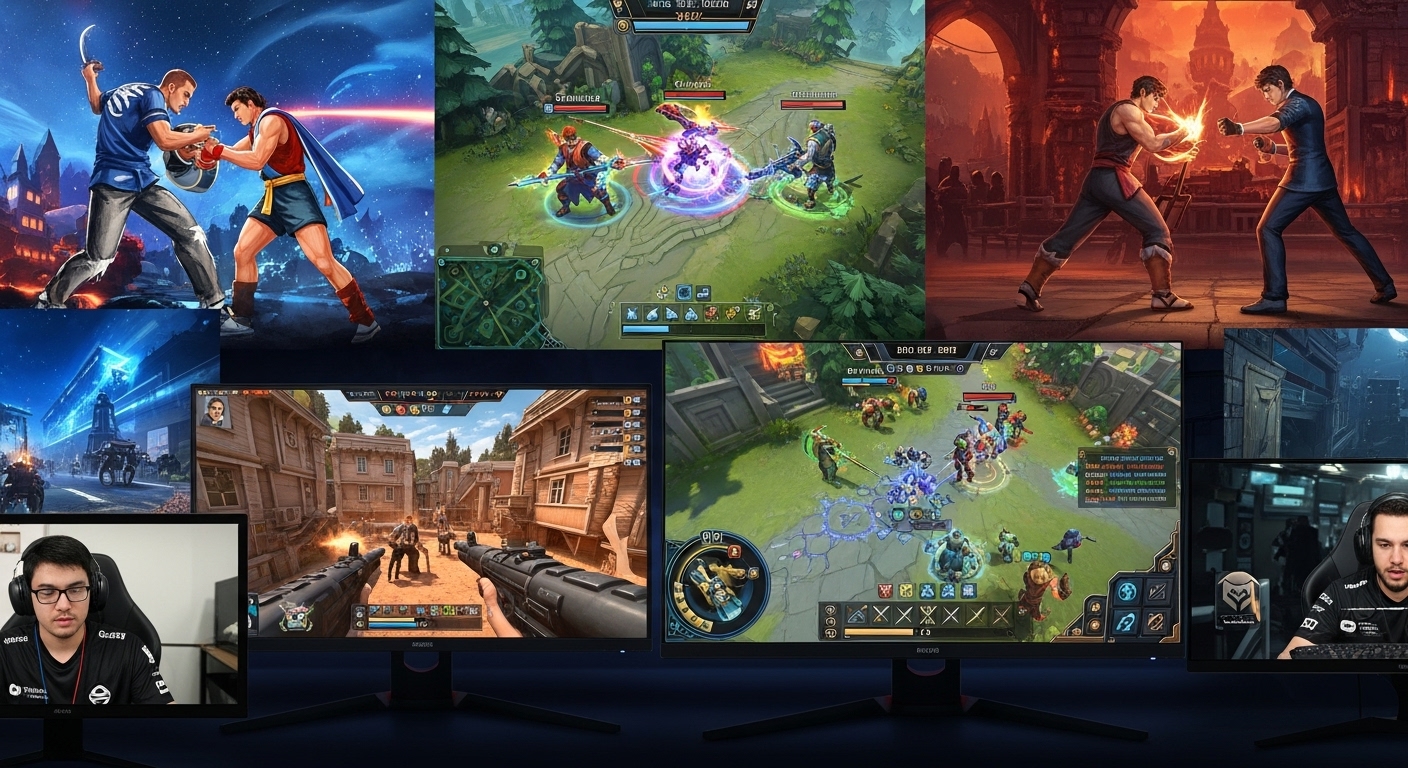
Esports spans a wide variety of game genres, each demanding unique skills and strategies. Multiplayer Online Battle Arena (MOBA) games such as League of Legends and Dota 2 emphasize teamwork, strategy, and long-term planning. First-Person Shooter (FPS) games like Counter-Strike: Global Offensive and Valorant require precise reflexes, accuracy, and tactical decision-making. Battle Royale games such as Fortnite and Apex Legends focus on adaptability, survival instincts, and resource management.
Each genre creates a distinct competitive environment and community, attracting players with different skill sets and interests. Some games highlight individual talent, while others emphasize team coordination and strategy. This diversity contributes to esports’ widespread appeal and allows players to find a niche that suits their abilities.
The Influence of Streaming and Online Platforms
Streaming platforms have played a pivotal role in esports’ meteoric rise. Players can broadcast their gameplay to global audiences, interact with fans, and build personal brands. Popular streamers attract millions of viewers, generating revenue through subscriptions, donations, and sponsorships. This has transformed esports from a competitive hobby into a full-fledged career path with global reach.
Online communities, forums, and social media platforms further enhance the esports experience. Gamers share strategies, organize tournaments, and create fan content, fostering collaboration and social interaction. These communities often extend beyond gaming, forming bonds among players and fans worldwide.
Cognitive and Mental Benefits of Esports
While esports is sometimes criticized for promoting sedentary behavior, it offers significant cognitive and mental benefits. Players develop problem-solving skills, strategic thinking, multitasking ability, and spatial awareness. Fast-paced games enhance reflexes, reaction times, and the capacity to make decisions under pressure.
Team-based games promote collaboration, leadership, and communication. Players learn to analyze opponents, adjust strategies on the fly, and manage resources efficiently. For younger participants, esports provides valuable digital literacy skills and opportunities for creativity, which can be beneficial in education and future careers.
Esports as a Social Connector
Esports has a unique ability to connect people globally. Players from different countries and backgrounds can compete, communicate, and collaborate in real-time, creating international communities united by shared interests. Unlike many traditional sports, esports does not rely on physical attributes, allowing a diverse range of participants to compete on equal footing.
Inclusive by nature, esports allows women, older adults, and people with disabilities to participate and thrive. Local tournaments, online competitions, and fan events provide opportunities for social interaction, mentorship, and cultural exchange, demonstrating esports’ potential to build meaningful relationships across borders.
Economic Impact of Esports
The esports industry has grown into a multibillion-dollar business with diverse revenue streams. Sponsorships, media rights, merchandising, ticket sales, and streaming monetization contribute to the sector’s financial success. Corporations have recognized esports as a powerful marketing tool, investing in teams, tournaments, and gaming infrastructure.
The industry has also created numerous jobs, including event organizers, coaches, analysts, and content creators. Universities are offering esports programs and scholarships, preparing students for careers in this dynamic sector. The economic growth of esports highlights its evolution from a hobby into a sustainable and professional industry.
Educational and Career Opportunities
Esports has opened up educational and career opportunities beyond playing games. Colleges and universities now offer programs in game design, digital media, esports management, and broadcasting. Students gain skills in marketing, strategy, event coordination, and teamwork, preparing them for a variety of professional paths.
Esports also encourages entrepreneurship. Content creation, streaming, event organization, and sponsorship management offer multiple avenues for revenue and career growth. The industry’s versatility demonstrates that esports is more than just competition—it is a platform for innovation and professional development.
Challenges Facing Esports
Despite its growth, esports faces several challenges. Mental health issues such as burnout, stress, and anxiety are common due to the high-pressure environment and long practice hours. Ensuring access to psychological support and wellness programs is critical for the well-being of players.
Cheating, hacking, and unethical gameplay threaten the integrity of competitions. Developers and tournament organizers invest heavily in anti-cheat systems and regulations to maintain fairness. Gender inequality is another issue, as women remain underrepresented in professional leagues and often face harassment, highlighting the need for ongoing efforts to promote inclusivity.
The Cultural Significance of Esports
Esports has left a significant mark on modern culture. Streamers and professional players are celebrated as celebrities, influencing fashion, music, and lifestyle trends. Memes, fan art, and social media content inspired by esports games have become cultural phenomena, blending gaming with broader entertainment and social media trends.
The industry also fosters creativity. Players and fans create content, produce videos, and develop new strategies, inspiring others and contributing to a dynamic, collaborative culture. Esports is not just a form of entertainment—it is a cultural movement that shapes modern digital life.
The Future of Esports
The future of esports is bright, with technology and innovation continuing to expand its reach. Virtual reality, augmented reality, and cloud gaming promise more immersive experiences and redefine competition. Integration with traditional sports, education, and mainstream media is likely to grow, further establishing esports as a permanent fixture in global culture.
International recognition of esports is increasing, with consideration for inclusion in major sporting events and countries investing in competitive gaming infrastructure. Esports is poised to redefine what it means to compete, collaborate, and excel in the digital age.
Conclusion: Esports as a Modern Phenomenon
Esports is far more than competitive gaming—it is a movement that combines skill, strategy, and creativity while fostering global communities. It provides cognitive, social, and economic benefits, offering opportunities for personal growth, professional development, and cultural influence.
From amateur players competing online to professional athletes on the world stage, esports represents a new era of competition. It challenges traditional definitions of sports, promotes collaboration, and celebrates human potential in the digital realm. Esports is not merely a game; it is a reflection of modern society, a platform for innovation, and a testament to the power of technology in connecting people around the world.