Esports has emerged as one of the most exciting phenomena in the digital age. Competitive gaming has transcended casual play, transforming into a global industry where skill, strategy, and teamwork determine the champions. Millions of fans tune in to watch tournaments, support players, and follow the thrilling world of professional gaming.
What is Esports?
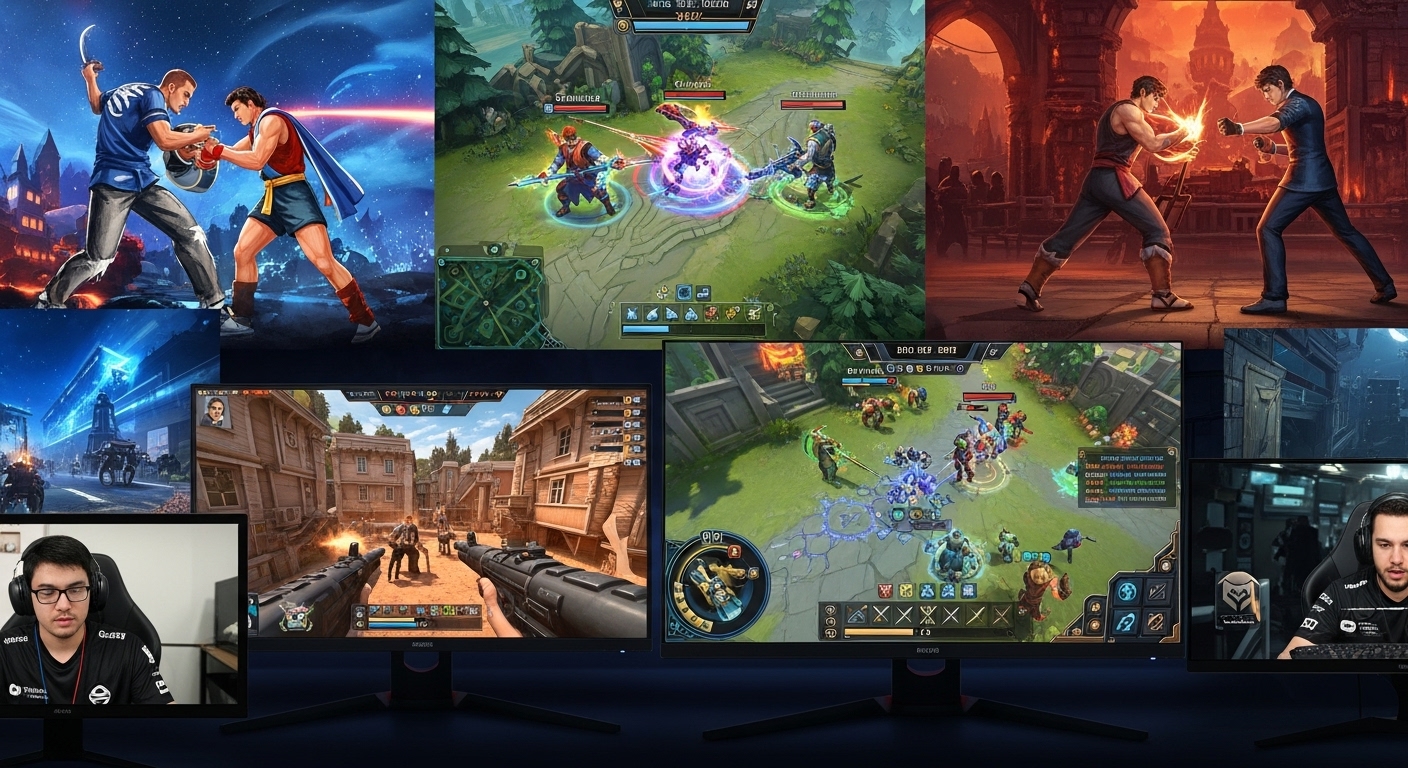
Esports, short for electronic sports, refers to organized competitive gaming where players or teams compete in video games at professional levels. Unlike casual gaming, esports requires rigorous training, strategic thinking, and precision. Popular esports games include first-person shooters, real-time strategy games, multiplayer online battle arenas, and sports simulations.
Esports is no longer just entertainment—it has become a profession, with players dedicating hours of practice to hone their skills and compete on global stages.
The Growth of the Esports Industry
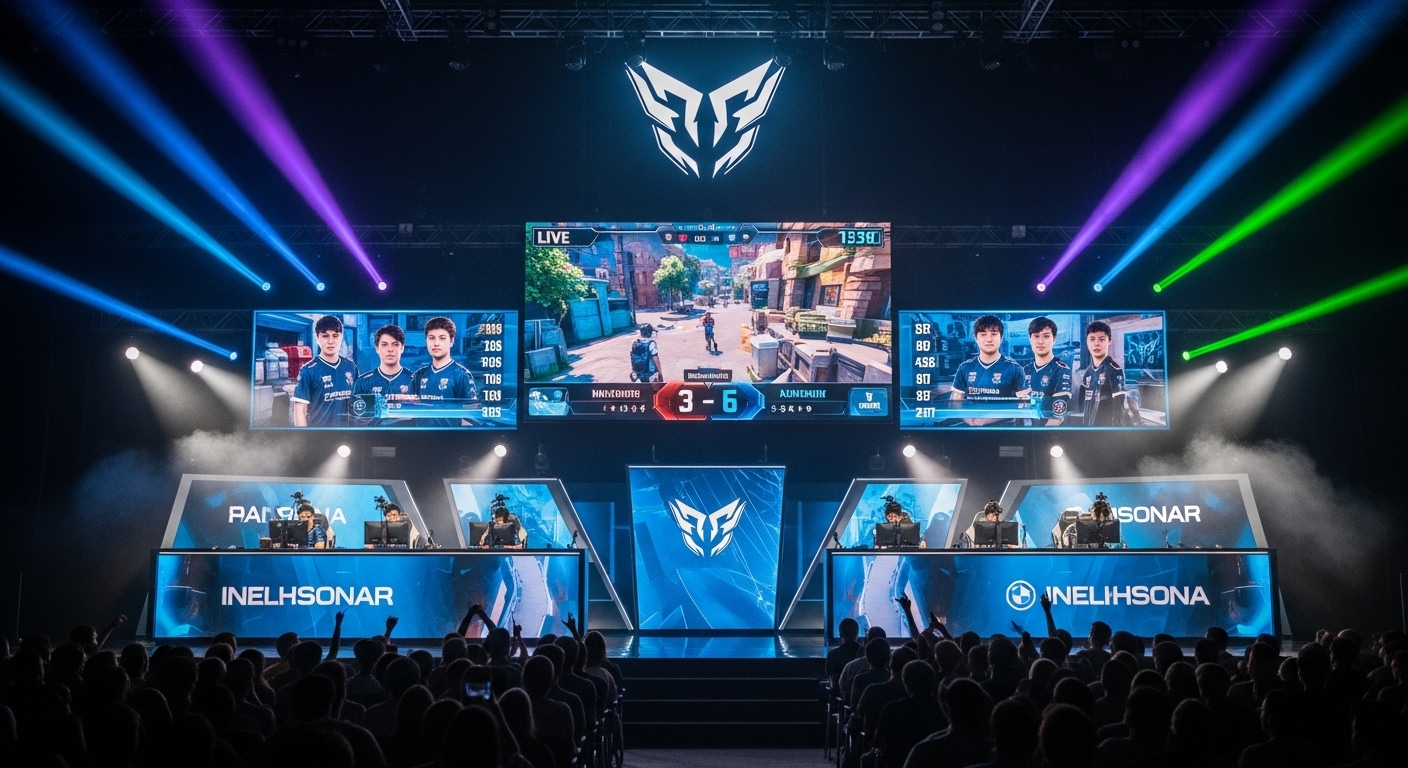
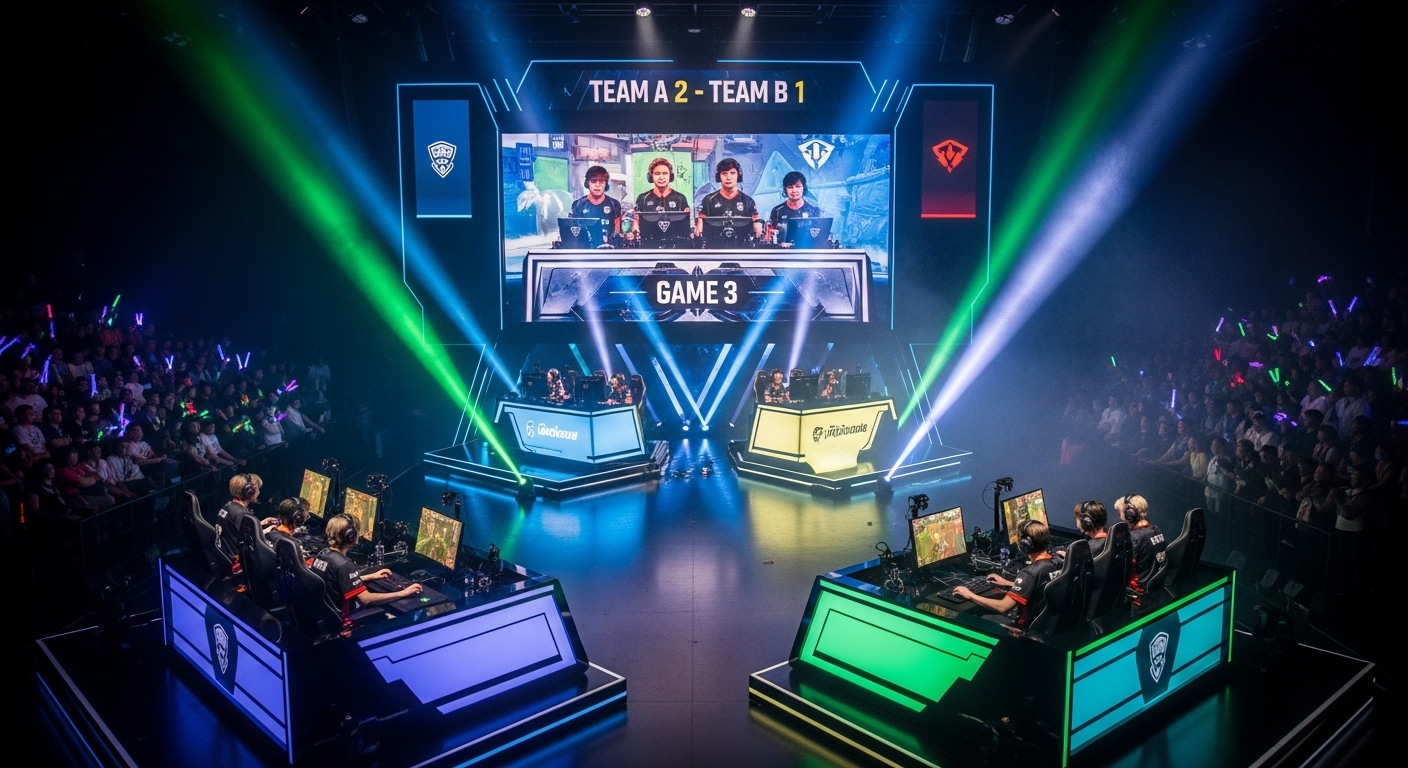
The esports industry has exploded over the past decade. Major tournaments now fill stadiums, attract millions of live viewers, and offer multi-million-dollar prize pools. Streaming platforms allow fans worldwide to watch matches in real time, making esports accessible to a global audience.
Sponsorships, merchandising, and advertising revenue have transformed esports into a multi-billion-dollar industry. Organizations invest heavily in recruiting talent, training teams, and creating engaging content for fans, highlighting the professionalism of the sector.
Esports as a Career
For many, esports is a legitimate career choice. Professional players earn income through tournament winnings, sponsorships, and streaming. Coaches, analysts, and content creators also play crucial roles, making esports a diverse and dynamic job market.
Beyond gaming skills, successful esports professionals develop discipline, teamwork, communication, and strategic thinking—qualities that are valuable both inside and outside the gaming world.
Strategy, Skill, and Teamwork
Esports is a complex blend of individual skill and team coordination. Players must react quickly, think critically, and make split-second decisions. Teams develop strategies, study opponents, and adapt gameplay in real time to gain an advantage.
This combination of tactical planning and rapid execution is what makes esports exciting for both players and viewers. High-level competitions showcase not just skill, but mental agility and collaboration at its finest.
Social Impact of Esports
Esports has created vibrant communities worldwide. Fans interact with players, follow teams, and share experiences online, forming global connections around a shared passion. The industry also challenges traditional stereotypes about gaming, highlighting its potential for skill development, career opportunities, and social engagement.
Younger generations are inspired by esports as a legitimate path for personal growth and achievement, emphasizing that gaming can be more than a pastime—it can be a pursuit of excellence.
The Future of Esports
The future of esports is bright and full of potential. Emerging technologies such as virtual reality, augmented reality, and AI-enhanced analytics are set to redefine gameplay and spectator experiences. Competitive tournaments will continue to grow, drawing larger audiences and creating more professional opportunities.
As esports evolves, it will further solidify its place in global entertainment, education, and culture, bridging the gap between technology, competition, and human connection.
Conclusion
Esports is no longer just a hobby—it is a dynamic, global industry that combines skill, strategy, and entertainment. With millions of fans, professional careers, and rapid technological innovation, esports represents the future of competitive gaming. It is a testament to how digital innovation can transform passion into profession, and games into a spectacle that unites people worldwide.