Introduction: The Digital Revolution of Sports
Esports has rapidly evolved from a niche hobby into a mainstream global phenomenon. What started as small gatherings of passionate gamers has now become a multi-billion-dollar industry with professional players, large-scale tournaments, and millions of fans worldwide. The rise of esports reflects how technology and entertainment are converging to create new ways for people to compete, connect, and celebrate skill.
The Evolution of Esports
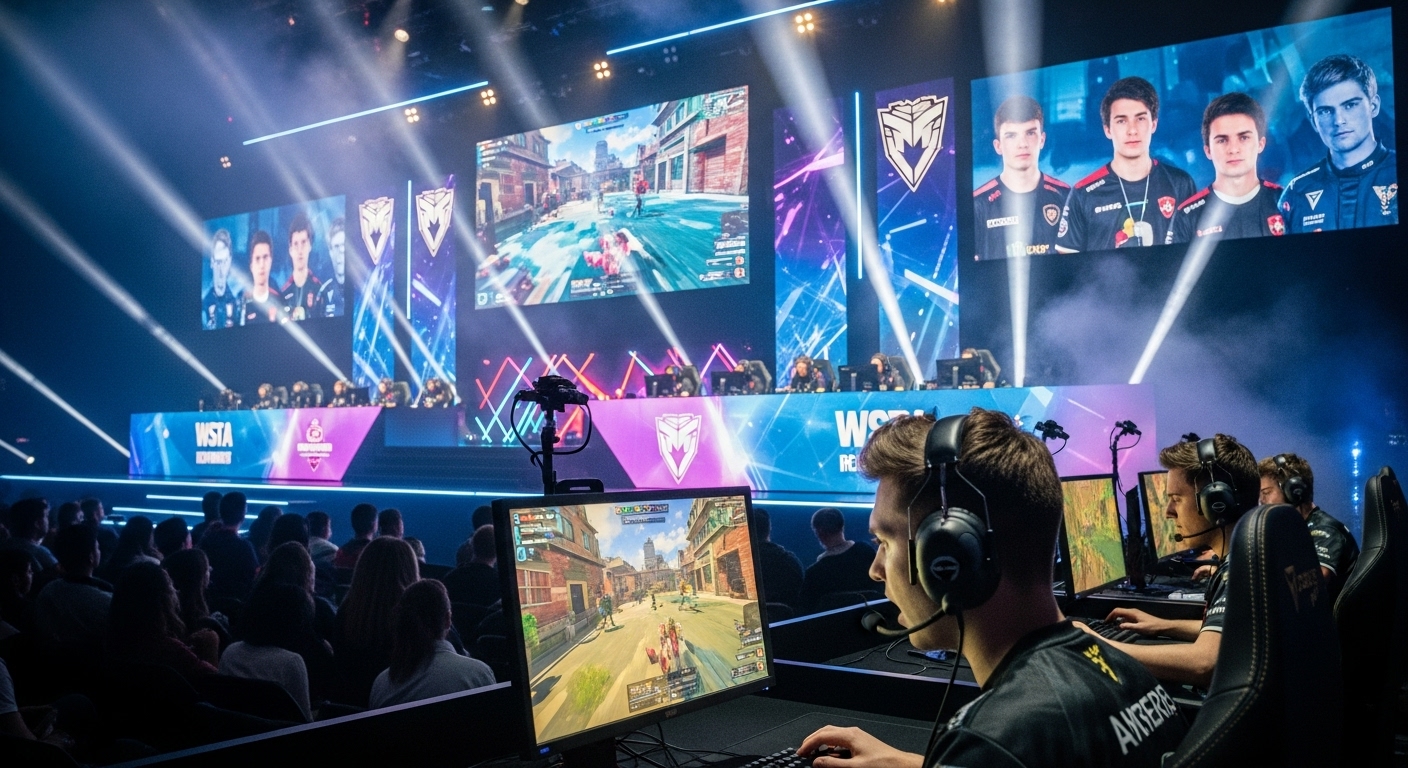
Competitive gaming has come a long way from early arcade competitions and local tournaments. Classic games like StarCraft, Counter-Strike, and League of Legends laid the foundation for organized leagues and international events. Today, esports covers a wide variety of genres including first-person shooters, strategy games, battle royales, and sports simulations. The development of online platforms and streaming services has allowed competitions to reach millions of viewers globally, making esports a truly international spectacle.
Becoming a Professional Gamer
The journey to becoming a professional esports player is both challenging and rewarding. Success requires a combination of skill, strategy, discipline, and mental resilience. Players spend hours training daily, refining techniques, and analyzing opponents. Unlike traditional sports, esports emphasizes cognitive agility, quick decision-making, and teamwork. Professional gamers often work with coaches and analysts to enhance performance, proving that esports is not just a game but a serious career path.
The Growing Community and Fanbase
One of esports’ unique strengths is its global community. Fans can watch live competitions, interact with players, and engage in discussions across social media platforms. This interactive culture creates a sense of belonging, encouraging fans to become active participants in the esports ecosystem. Communities often generate content such as fan art, videos, and commentary, enhancing the overall experience and fostering deep connections between players and their audience.
Economic Impact and Opportunities
Esports has become a significant contributor to the global economy. Sponsorship deals, advertising, merchandise, and event revenues generate billions annually. Companies from tech, sports, and entertainment sectors are investing heavily in esports, recognizing its potential to reach younger and highly engaged audiences. Beyond players, esports creates careers in event management, broadcasting, marketing, and game development, making it a dynamic industry with opportunities for growth.
Challenges Facing the Industry
Despite its growth, esports faces challenges such as player burnout, mental health issues, and the need for proper regulation. Maintaining a balance between competition and well-being is critical for sustainable success. Additionally, the industry must continue developing fair play standards, anti-cheating measures, and support systems for emerging talent to ensure long-term stability.
The Future of Esports
The future of esports is promising and full of potential. As technology evolves, esports may integrate with virtual reality, augmented reality, and even traditional sports events. Its influence on culture, entertainment, and technology is set to expand further, creating new ways for people to connect, compete, and celebrate gaming talent across the world.
Conclusion: A New Era of Competition
Esports represents a transformative shift in how we view competition and entertainment. From local gaming tournaments to international championships, it has grown into a global industry that blends skill, strategy, and technology. As esports continues to evolve, it will remain at the forefront of cultural innovation, inspiring a new generation of gamers and fans worldwide.