Esports, the world of competitive gaming, has transformed dramatically over the past few decades. What began as informal competitions among friends has now become a global industry worth billions of dollars, attracting millions of fans, professional players, and sponsors worldwide. The rise of esports demonstrates how technology, culture, and human ambition can converge to create a new form of sport and entertainment that rivals traditional athletics in excitement, skill, and spectacle.
Esports is more than just playing video games; it is a fusion of strategy, skill, teamwork, and entertainment. It offers professional careers, intense competitions, and shared experiences for millions of fans globally. This blog explores the evolution of esports, its key games and genres, professional players and teams, major tournaments, the role of streaming, economic impact, cultural significance, challenges, and future trends.
The Early Days of Competitive Gaming
The origins of esports date back to the late 1970s and early 1980s, during the golden age of arcade games. Titles like Space Invaders, Pac-Man, and Donkey Kong captured the imagination of players and encouraged competitive play through high scores. Arcades became social hubs where players could test their skills and gain local fame for their achievements.
One of the first large-scale competitive gaming events was the 1980 Space Invaders Championship hosted by Atari. Thousands of participants from across the United States competed, demonstrating that competitive gaming could attract significant attention and excitement. Early competitions were primarily skill-based, focusing on high scores rather than direct multiplayer interaction, yet they laid the foundation for the esports culture we see today.
With the proliferation of home consoles in the 1980s and 1990s, gaming moved from arcades to living rooms, but competitive spirit remained strong. Games like Street Fighter and Mortal Kombat introduced head-to-head competition, establishing the foundations for fighting game tournaments that continue to thrive today.
The Internet Revolution and Global Connectivity
The 1990s brought significant changes with the rise of personal computers and the internet. Multiplayer gaming shifted from local networks to online platforms, allowing players to compete against others across the globe. This period saw the emergence of games like StarCraft, Quake, and Counter-Strike, which became staples of competitive play due to their strategic depth and replayability.
South Korea emerged as a global esports hub during this era. Government support, widespread internet access, and the popularity of StarCraft led to professional leagues, turning gamers into national celebrities. Internet cafes, known as PC bangs, provided spaces for players to practice and compete daily. The South Korean model demonstrated that esports could be professionalized, inspiring similar developments worldwide.
By the early 2000s, esports began gaining mainstream recognition. Television coverage, media attention, and growing prize pools elevated competitive gaming to a new level. Organizations and teams started forming, laying the groundwork for the structured professional leagues that define esports today.
Popular Esports Genres and Games
Esports encompasses a wide range of genres, each with unique gameplay mechanics, strategies, and fan communities. Understanding these genres helps explain the diversity and appeal of esports.
1. Multiplayer Online Battle Arenas (MOBAs): Games like League of Legends and Dota 2 dominate the esports landscape. Players control unique characters, each with distinct abilities, and work with teammates to destroy opponents’ bases. MOBAs require coordination, strategy, and quick decision-making, making them highly competitive and engaging to watch.
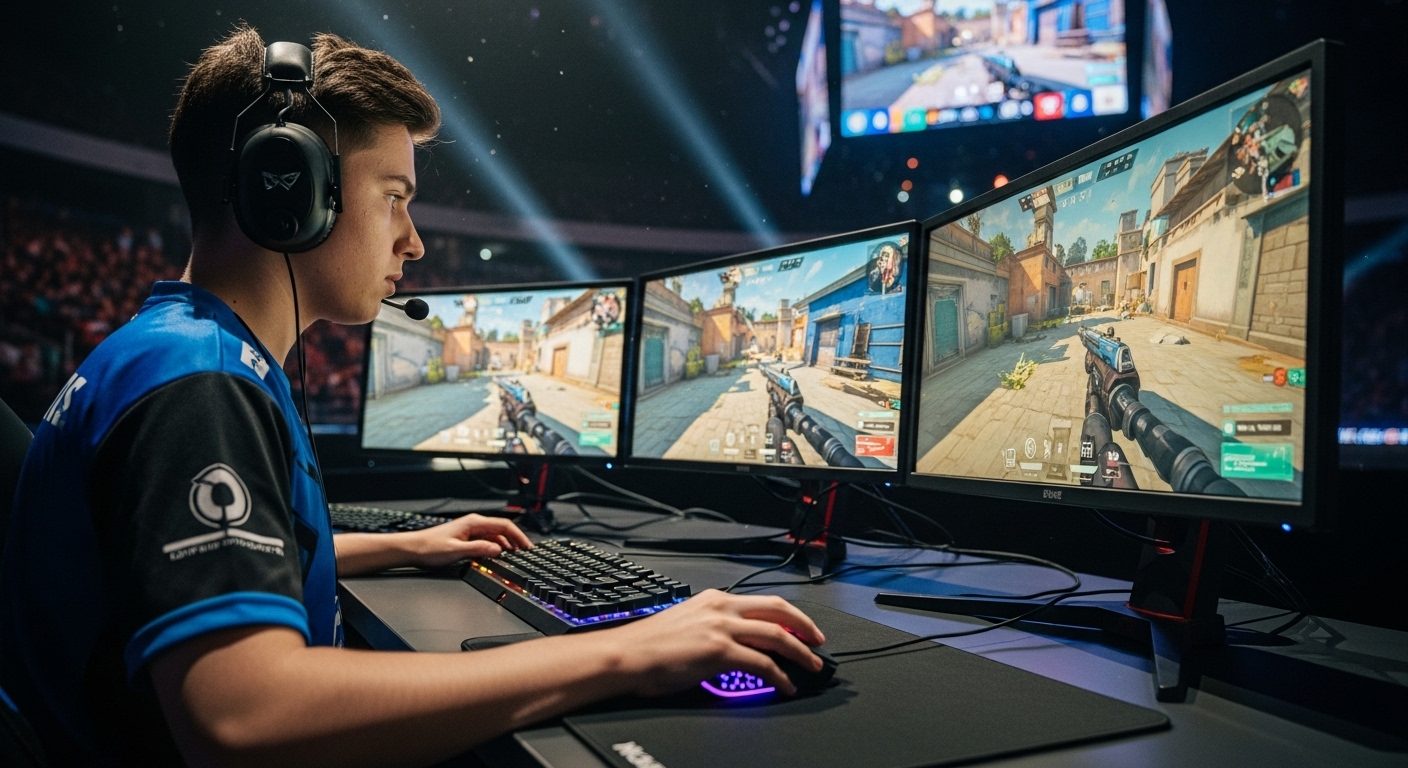
2. First-Person Shooters (FPS): Titles like Counter-Strike: Global Offensive, Call of Duty, and Overwatch emphasize precision, reflexes, and tactical thinking. FPS games are fast-paced and visually thrilling, offering fans intense moments of action and strategy.
3. Battle Royale Games: Games such as Fortnite and PUBG popularized large-scale survival competitions. Players or teams are placed in shrinking arenas, requiring strategic thinking, adaptability, and survival instincts. These games combine skill and entertainment, attracting a broad audience.
4. Fighting Games: Street Fighter, Tekken, and Super Smash Bros. remain staples of competitive gaming. Fighting games emphasize one-on-one skill, timing, and mental acuity, fostering passionate fan bases and iconic rivalries.
5. Sports and Racing Simulations: FIFA, NBA 2K, and Gran Turismo allow players to compete in virtual versions of real-world sports. These games attract both casual players and professional athletes, bridging the gap between traditional and digital sports.
The diversity of games ensures that esports appeals to multiple audiences and continues to evolve with technology and trends.
Professional Players and Teams
Professional esports players dedicate countless hours to practice, strategy, and coordination. Unlike traditional athletes, esports competitors rely primarily on mental agility, reflexes, and teamwork rather than physical strength. The demands of professional play are intense, requiring both skill and endurance.
Legendary players like Faker in League of Legends, s1mple in Counter-Strike, and Bugha in Fortnite have become household names. Their expertise, charisma, and personal brands elevate them beyond competitors to entertainers and influencers within the esports ecosystem.
Esports teams function similarly to traditional sports franchises. Organizations like Team Liquid, Fnatic, and T1 have structured training, coaching staff, analysts, and support systems to optimize performance. Teams maintain branding, secure sponsorships, and engage with fans, creating loyalty and cultivating global followings. The combination of skill, personality, and teamwork makes professional players and teams central to esports’ appeal.
Major Esports Tournaments
Tournaments are the centerpiece of the esports industry, offering high-stakes competition and entertainment for global audiences. Major events attract millions of viewers online and in stadiums, creating spectacles comparable to traditional sports championships.
1. The International (Dota 2): Renowned for its enormous prize pool, often exceeding thirty million dollars, The International brings together elite Dota 2 teams from around the world. Its production value, competitive intensity, and passionate fanbase make it a hallmark of esports.
2. League of Legends World Championship: This annual event features the best teams from regional leagues. Known for high-energy matches, cinematic openings, and global fan engagement, it is one of the most-watched esports tournaments worldwide.
3. CS:GO Majors: Counter-Strike tournaments are celebrated for their strategic depth and individual skill showcases. The Majors attract top teams, fans, and media coverage, contributing to CS:GO’s long-standing competitive legacy.
4. Fortnite World Cup: With massive prize pools, celebrity participation, and global audience engagement, Fortnite’s tournaments demonstrate esports’ mainstream appeal. The event combines competition with entertainment, attracting both casual and dedicated viewers.
Tournaments not only showcase player skill but also provide immersive experiences for spectators. Live commentary, stage production, and fan engagement enhance the excitement, making esports a compelling form of entertainment.
The Role of Streaming Platforms
Streaming platforms have revolutionized esports by making competitions accessible to a global audience. Twitch, YouTube Gaming, and Facebook Gaming allow fans to watch live gameplay, interact with players, and engage in community discussions.
Streaming transforms players into personalities and content creators. Fans can follow their favorite players, watch tutorials, and enjoy highlight reels. Esports content is no longer limited to tournaments; practice sessions, behind-the-scenes footage, and interactive streams provide continuous engagement.
Streaming also democratizes esports, allowing new players and creators to reach audiences without traditional infrastructure. Global accessibility fosters inclusivity and connects communities across cultures and borders.
The Economics of Esports
Esports has grown into a multi-billion-dollar industry, encompassing tournaments, sponsorships, media rights, merchandise, and content creation. Major brands invest heavily in esports through team sponsorships, advertising campaigns, and event partnerships. Traditional sports organizations also recognize esports’ potential and invest in teams and leagues.
Prize pools continue to rise, attracting top talent and increasing competition levels. Revenue streams include tournament ticket sales, advertising, subscriptions, merchandise, and digital content. The economic impact extends beyond players and teams, creating jobs in media production, event management, marketing, and technology.
Despite growth, the industry faces challenges such as market saturation, player burnout, and regulatory concerns. Sustainability and fair compensation remain key considerations for long-term success.
Cultural and Social Impact
Esports has become a cultural phenomenon. Gaming communities, fan art, cosplay, and memes reflect the deep influence of competitive gaming on popular culture. Esports challenges traditional notions of sport, demonstrating that athleticism can encompass mental skill, strategy, and precision.
Esports promotes inclusivity and diversity. Players from various backgrounds, genders, and nationalities compete on a global stage, fostering cultural exchange and mutual respect. Online communities create social bonds, allowing fans to share experiences, discuss strategies, and celebrate victories together.
Moreover, esports provides opportunities for personal growth. Players develop teamwork, strategic thinking, problem-solving, and communication skills. The industry encourages creativity and innovation, blending competition with entertainment in meaningful ways.
Education and Esports
Educational institutions increasingly recognize esports as a valuable tool for learning and development. Schools and universities offer esports programs, scholarships, and courses in game design, marketing, and event management. These programs cultivate skills in leadership, teamwork, communication, and digital literacy.
By integrating esports into education, institutions provide pathways for careers in gaming, media, and technology. Students gain exposure to professional practices, tournament organization, and content creation, preparing them for diverse opportunities in the growing industry.
Challenges Facing Esports
Esports faces several challenges despite its rapid growth. Player burnout and mental health concerns are significant, as professional gamers endure long practice hours and high-pressure environments. Managing stress, maintaining focus, and balancing life with competition are ongoing issues.
Cheating, hacking, and unethical behavior remain concerns. Organizers and developers must implement robust anti-cheat measures and enforce fair play to maintain integrity. Gender representation and online harassment also require attention to ensure that esports communities remain inclusive and welcoming.
Legal and financial complexities, including player contracts, intellectual property, and international regulations, are additional considerations. Addressing these challenges is essential for the long-term credibility and sustainability of the industry.
The Future of Esports
The future of esports is promising and full of innovation. Emerging technologies such as virtual reality, augmented reality, and artificial intelligence will reshape gameplay, fan experiences, and content creation. Interactive experiences may allow audiences to influence games or participate in virtual arenas, enhancing engagement and immersion.
Esports is likely to integrate further with mainstream entertainment and traditional sports, creating hybrid experiences that blend digital and physical worlds. Educational programs will continue to develop talent, professionalize the industry, and expand career opportunities beyond competitive play.
Global accessibility, technological advancements, and cultural relevance ensure that esports will remain a dominant entertainment force, inspiring new generations and redefining what it means to compete, entertain, and connect in the digital age.
Conclusion
Esports has evolved from arcade high scores to a global phenomenon, captivating millions of players and fans. It combines skill, strategy, teamwork, and entertainment, creating a unique form of competition that rivals traditional sports. Professional players, teams, tournaments, and streaming platforms have transformed competitive gaming into a multi-billion-dollar industry with cultural and social significance.
Esports demonstrates the power of technology, creativity, and community. It challenges traditional ideas of sport, inspires innovation, and unites audiences worldwide. From the earliest arcade competitions to modern international tournaments, esports represents the future of entertainment and competition in the digital era.
As esports continues to grow, it will shape the way we play, watch, and engage with games. It is a testament to human ingenuity, ambition, and passion, proving that the digital arena can be just as thrilling, meaningful, and impactful as any traditional sporting event.
Esports is no longer just a pastime; it is a global cultural movement, an industry, and a lifestyle that continues to redefine the boundaries of entertainment.