
Introduction
Esports, once viewed as a niche interest, has quickly grown into one of the most powerful and influential sectors in the entertainment world. What started as a hobby for gaming enthusiasts has evolved into a multi-billion-dollar industry with millions of fans, players, and viewers worldwide. Esports today is not just about playing video games competitively—it’s a cultural movement that has transformed how we think about gaming, competition, and entertainment.
The rapid rise of esports can be attributed to several factors, including the accessibility of gaming, advancements in technology, and the increasing popularity of live-streaming platforms. With massive tournaments, sponsorships, professional teams, and dedicated fanbases, esports has carved out its own space in the global sports landscape. This blog explores the evolution of esports, its impact on the gaming industry, and the profound cultural and economic implications it has had on society.
The Origins of Esports
Esports as we know it today began in the late 20th century, though its roots can be traced back to the early days of competitive gaming. In the 1970s and 1980s, video games such as Space Invaders and Pong sparked early competitions among players. The first notable esports tournament was the Space Invaders Championship in 1980, organized by Atari. This event attracted thousands of participants and marked the beginning of competitive gaming culture.
However, it wasn’t until the rise of online gaming in the 1990s that esports truly began to take shape. Games like Quake, StarCraft, and Warcraft set the foundation for competitive gaming by allowing players to compete against each other over the internet. These early multiplayer games laid the groundwork for the expansive online gaming world we know today, and as the internet grew, so did the opportunities for competitive gaming.
The Explosion of Esports in the 21st Century
The turn of the millennium saw esports enter a new phase with the advent of more sophisticated and accessible gaming platforms. In the early 2000s, LAN (Local Area Network) tournaments were popular, with competitive players gathering in physical venues to compete in games like Counter-Strike and Warcraft III. But the real explosion of esports came with the rise of live-streaming platforms such as Twitch and YouTube Gaming.
In 2011, Twitch launched and became a game-changer for the esports industry. The ability for gamers to stream their gameplay live to an audience allowed esports to become a spectator sport in its own right. For the first time, fans could watch tournaments in real-time, providing players with a platform to showcase their skills and grow their fanbase.
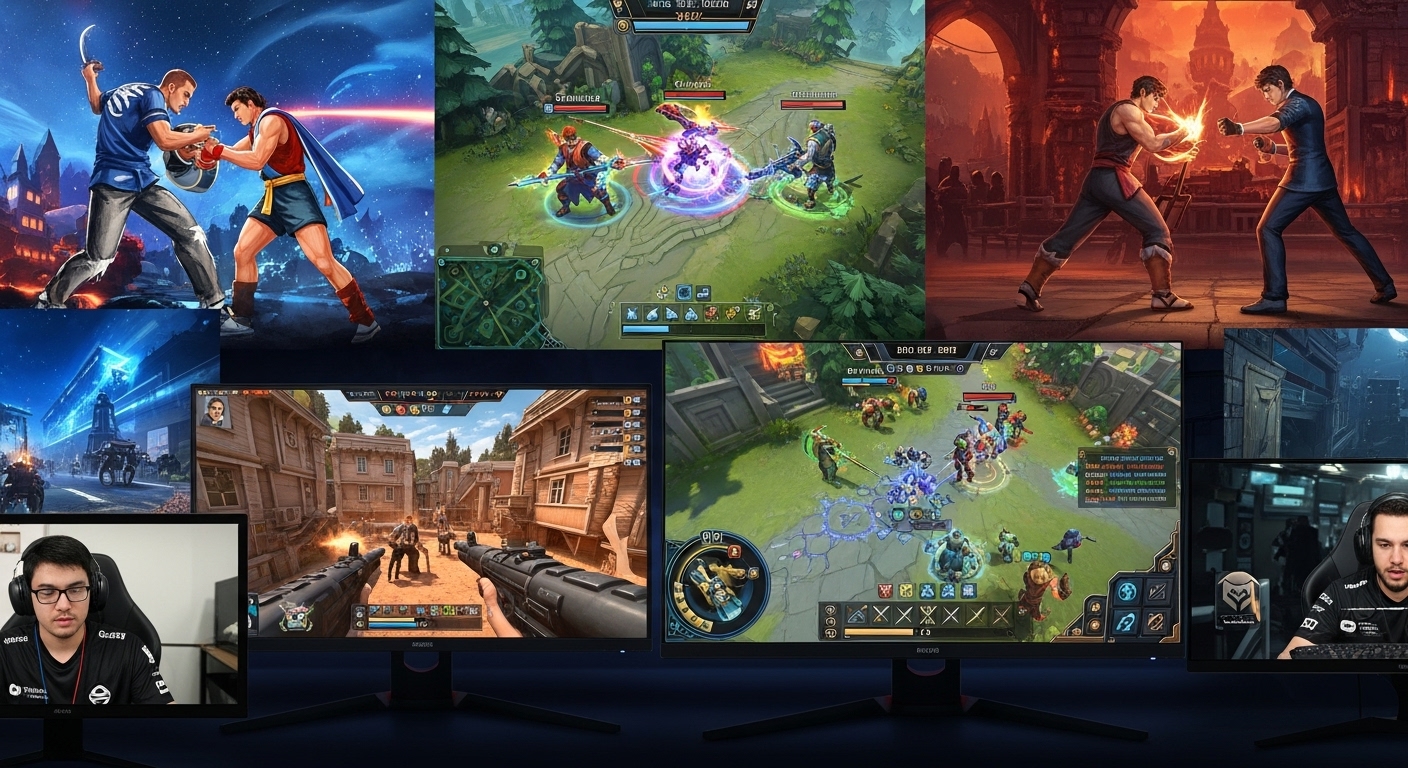
Games like League of Legends, Dota 2, Counter-Strike: Global Offensive, and Fortnite became iconic titles that attracted millions of viewers, with tournaments offering multi-million-dollar prize pools. The success of these games led to the formation of professional esports teams and organizations, along with dedicated sponsorships and merchandise sales, which significantly boosted the esports ecosystem.
Esports as a Professional Industry
Today, esports has transformed from a casual hobby into a highly competitive, professional industry. It is estimated that the global esports industry is worth over $1 billion, with projections of continued growth in the coming years. Major gaming companies, investors, and organizations now recognize the potential of esports, leading to the formation of professional leagues, sponsorship deals, and large-scale tournaments that rival traditional sports in viewership and revenue.
Esports leagues like the Overwatch League, League of Legends Championship Series (LCS), and Call of Duty League have created structured, franchise-based systems that mimic the structure of traditional sports leagues. These leagues bring together top teams from around the world to compete for substantial prize money and global recognition.
Professional esports players, who are often highly skilled and trained for years, now enjoy lucrative contracts, sponsorships, and endorsements. Top players can make millions of dollars annually through tournament winnings, sponsorship deals, and streaming revenues. This professionalization of esports has helped legitimize it as a mainstream sport.
The Role of Streaming and Content Creation
One of the key drivers of esports’ rise to prominence is the explosive growth of content creation and live-streaming. Platforms like Twitch, YouTube, and Facebook Gaming have made it easier than ever for gamers to showcase their talents, connect with fans, and build personal brands. Streaming has not only made it possible to watch esports in real-time but has also allowed everyday gamers to create content and monetize their gameplay.
For many professional esports players, streaming is a crucial part of their income. Players use streaming platforms to engage with fans, practice their skills, and promote brand partnerships. Streaming has democratized esports, enabling anyone with a computer and an internet connection to potentially build a career around gaming.
Content creators also play an important role in growing the esports ecosystem by producing highlight reels, commentary, analysis, and entertainment content for fans. These creators often work in tandem with professional players, tournaments, and esports organizations to produce high-quality content that attracts new viewers and retains existing ones.
The Cultural Impact of Esports
Esports is more than just a competitive sport; it has become a cultural movement that transcends the boundaries of gaming. The impact of esports on global pop culture can be seen in the way gaming has become a central part of youth culture. Esports athletes and streamers are now celebrities, with large followings on social media platforms like Twitter, Instagram, and TikTok.
The appeal of esports is not limited to just competitive gaming. It encompasses the entire gaming culture, including gaming conventions like E3, PAX, and BlizzCon, where fans can meet their favorite players and streamers, watch live competitions, and discover the latest in gaming technology. The lines between gaming culture and mainstream entertainment are increasingly blurred, with popular musicians, actors, and athletes joining the esports ecosystem.
Esports also fosters a sense of community among fans. Whether it’s through online forums, social media, or live events, esports provides a space for people to connect over shared interests. Fans form allegiances to their favorite teams and players, creating a sense of belonging and camaraderie. This sense of community is one of the main reasons why esports has grown into such a massive industry—viewers are not just passive observers but active participants in the esports culture.
The Global Audience of Esports
One of the most remarkable aspects of esports is its global appeal. Unlike traditional sports, which often have regional or national followings, esports has become a truly international phenomenon. With online gaming and live streaming, players and fans from different parts of the world can compete and connect in real-time.
Esports tournaments like the League of Legends World Championship and The International for Dota 2 attract millions of viewers from all over the globe. These tournaments not only showcase the best players but also highlight the power of global gaming communities. International teams, players, and fans come together to celebrate the sport, making esports one of the most inclusive and far-reaching forms of entertainment today.
Esports has also found success in countries where traditional sports may not be as popular. In regions like Southeast Asia, South Korea, and China, esports has taken on cultural significance, with dedicated fanbases and government support. Countries like South Korea have even built entire esports infrastructures, with state-of-the-art arenas and government-backed esports initiatives.
The Economic Impact of Esports
Esports is not just an entertainment industry—it’s an economic powerhouse. The global esports market is expected to surpass $1.5 billion by 2023, with major revenue streams coming from sponsorships, advertising, media rights, merchandise, and ticket sales. Esports organizations, gaming companies, and streaming platforms all contribute to the industry’s economic success.
Sponsorship deals are a crucial component of esports’ financial ecosystem. Brands like Coca-Cola, Intel, and Nike have all invested heavily in the esports market, recognizing the value of reaching a young, tech-savvy audience. These sponsorships help fund tournaments, professional teams, and streaming platforms, while also providing lucrative opportunities for content creators.
Moreover, esports has created a ripple effect throughout the economy, generating jobs in areas like event management, production, marketing, and journalism. Esports has even impacted the tourism industry, with large-scale tournaments attracting thousands of fans to cities worldwide.
Challenges and Controversies in Esports
Despite its growth and success, esports faces several challenges. One of the biggest issues is player burnout. Competitive gaming demands an intense commitment of time and energy, often leading to physical and mental exhaustion. Many players face immense pressure to perform at the highest level, and some have experienced serious health consequences due to overtraining and poor lifestyle choices.
There are also concerns regarding cheating and match-fixing in esports. Just like traditional sports, esports is not immune to corruption, and incidents of players using cheats or manipulating results have raised questions about fairness and integrity within the industry.
Moreover, the lack of diversity in esports remains a critical issue. Women and minorities are underrepresented in professional esports, both as players and in leadership roles. Although efforts are being made to encourage more inclusivity, the esports community still has a long way to go in addressing these disparities.
The Future of Esports
The future of esports looks incredibly promising. As the industry continues to grow, it will see even more technological innovations, including virtual reality (VR) and augmented reality (AR), which will further enhance the gaming experience. The integration of 5G networks and cloud gaming will also improve accessibility, making high-quality gaming available to more people around the world.