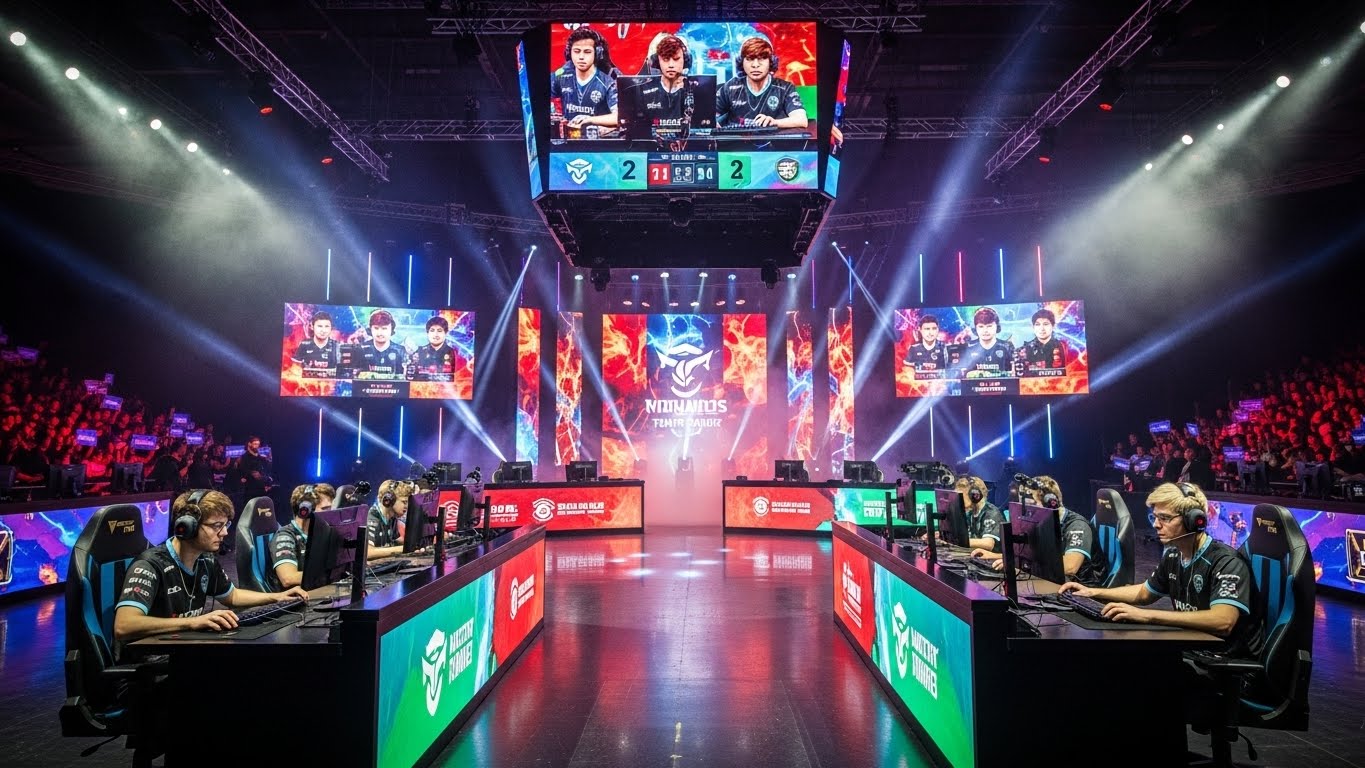

Esports, short for electronic sports, has transformed from a niche hobby into a global phenomenon. What was once a pastime for dedicated gamers has become a professional industry with millions of fans, professional teams, and lucrative tournaments. The rapid growth of esports reflects not just the evolution of gaming but also the shifting dynamics of entertainment, competition, and digital culture. In an era where technology dominates leisure, esports represents the fusion of skill, strategy, and community, captivating audiences across the globe.
The Origins of Competitive Gaming
The concept of competitive gaming is not new. Video games have existed since the 1970s, and early competitions were limited to local arcades or university campuses. Games like Pong, Space Invaders, and later Street Fighter laid the foundation for organized competitions. The first large-scale video game tournaments, such as the Space Invaders Championship in 1980, drew thousands of participants, showcasing the potential of gaming as a competitive sport.
As gaming technology advanced, multiplayer games became more popular. The rise of online connectivity in the 1990s allowed players from different locations to compete, transforming gaming from a solitary activity into a global competitive platform. Titles like StarCraft, Counter-Strike, and Warcraft established esports as a serious and strategic form of competition, attracting a growing audience of dedicated fans.
The Evolution of Esports as a Professional Industry
Esports has evolved from casual tournaments into a professionalized industry with structured leagues, sponsorships, and substantial prize pools. Professional esports players now train rigorously, often treating gaming like a traditional sport. Teams have coaches, analysts, and support staff who study opponents, develop strategies, and optimize performance. Competitive esports requires not only reflexes and skill but also teamwork, communication, and mental resilience.
Major tournaments, such as The International for Dota 2, the League of Legends World Championship, and the Fortnite World Cup, draw millions of viewers online and fill arenas with live audiences. Prize pools for these events reach millions of dollars, rivaling traditional sports competitions. Sponsorship deals from major brands and streaming platforms have turned esports into a multi-billion-dollar industry, attracting investors, advertisers, and media attention.
The Global Reach of Esports
Esports is a worldwide phenomenon. While it originated in North America and Asia, the industry has expanded to Europe, South America, and the Middle East. Countries like South Korea, China, and the United States dominate the scene, producing top-tier professional players and hosting major international tournaments. Esports has also fostered a sense of global community, allowing fans to connect through live streams, social media, and online forums.
Online streaming platforms, particularly Twitch and YouTube Gaming, have played a crucial role in the global growth of esports. These platforms provide fans with live coverage of tournaments, behind-the-scenes content, and interactive experiences with players. Unlike traditional sports, esports allows viewers to engage directly with players and communities, creating a more immersive and participatory experience.
Esports as a Career Path
For many players, esports offers a legitimate career path. Professional gamers can earn income through tournament winnings, sponsorships, and streaming revenue. High-profile players have become celebrities, influencing gaming culture and trends. Additionally, careers in esports extend beyond playing, including roles such as commentators, coaches, analysts, event organizers, and content creators.
While the prospect of fame and wealth is appealing, a professional career in esports requires dedication, discipline, and resilience. Players often train for eight to twelve hours a day, focusing on mechanics, strategies, and teamwork. The industry is highly competitive, and only a small percentage of players reach the top tier. Nevertheless, the growing ecosystem of esports provides opportunities for diverse career paths, making it a viable option for those passionate about gaming.
The Role of Technology in Esports
Technology is the backbone of esports. High-performance computers, gaming peripherals, fast internet connections, and advanced software enable professional-level competition. Innovations in graphics, server stability, and real-time analytics have enhanced both player performance and viewer experience. Esports relies on technology not only for gameplay but also for broadcasting, analysis, and engagement.
Virtual and augmented reality technologies are also beginning to influence esports. These innovations provide immersive experiences for both players and spectators, pushing the boundaries of interactive entertainment. Additionally, artificial intelligence and machine learning help teams analyze strategies, predict opponent behavior, and optimize training routines. The integration of technology in esports reflects the industry’s dependence on innovation and continuous improvement.
The Impact of Esports on Youth and Culture
Esports has a profound influence on youth culture. Many young people see competitive gaming as both a hobby and a potential career. Esports encourages critical thinking, strategic planning, teamwork, and problem-solving skills. It also fosters social connections, as players often collaborate in teams or communities online.
Culturally, esports has contributed to the mainstream acceptance of gaming. It has shifted perceptions from viewing video games as mere entertainment to recognizing them as competitive and professional activities. Esports tournaments now attract media coverage, sponsorship deals, and fan engagement comparable to traditional sports events, reflecting the growing cultural impact of this digital sport.
Esports and Education
Some educational institutions have recognized esports as a legitimate extracurricular activity. Universities and high schools now offer esports programs, scholarships, and dedicated training facilities. These programs teach players not only competitive skills but also teamwork, leadership, and time management. Esports in education also encourages technological literacy, as students engage with game design, streaming, and data analysis.
Academic research is beginning to explore the benefits of esports, including cognitive development, reaction time improvement, and social interaction. By integrating esports into educational settings, institutions acknowledge its potential as both a learning tool and a career pathway, bridging the gap between gaming culture and professional development.
Esports and Mental Health
While esports offers many benefits, the industry also faces mental health challenges. Professional players often experience intense pressure, long training hours, and performance-related stress. Burnout is a common issue, and balancing competitive demands with personal life can be difficult. Teams and organizations increasingly recognize the importance of mental health support, providing counseling, stress management programs, and rest periods for players.
For casual players and fans, esports can also have a positive effect on mental health. Participating in competitive gaming or watching esports can provide a sense of community, entertainment, and stress relief. However, moderation is key, as excessive screen time and sedentary behavior may negatively affect physical and mental well-being.
Esports as a Business and Entertainment Industry
Esports is not only a sport but also a major entertainment and business industry. Major tournaments attract sponsorships from technology companies, energy drinks, and lifestyle brands. Streaming services monetize content through subscriptions, ads, and exclusive deals with professional players. Merchandise sales, ticketed events, and digital goods further contribute to revenue streams.
The business model of esports demonstrates the merging of technology, entertainment, and sports. Investors view the industry as a high-growth market, fueling expansions into mobile esports, international leagues, and hybrid events that combine live audiences with online participation. The commercial success of esports illustrates how digital sports can rival traditional sports in both profitability and cultural influence.
The Future of Esports
The future of esports is filled with potential. Advancements in technology, increased global connectivity, and mainstream acceptance will continue to drive growth. Mobile esports, cloud gaming, and VR competitions are expanding the industry’s reach, making it more accessible to a broader audience. Additionally, collaborations with traditional sports, entertainment companies, and educational institutions will further integrate esports into mainstream culture.
Esports may also influence the evolution of sports and entertainment. Hybrid formats that combine physical and digital competition could become more common, redefining how people experience competition and community. As the industry matures, the focus will likely shift toward sustainability, player well-being, and audience engagement, ensuring long-term growth and cultural impact.
Conclusion: Esports as a Cultural Phenomenon
Esports is no longer a niche interest—it is a global movement that blends competition, entertainment, and technology. It offers players a platform to showcase skill and creativity, while providing fans with immersive experiences and community engagement. The rise of esports reflects the transformative power of digital technology, highlighting the potential of interactive entertainment to shape culture and society.
The industry’s growth demonstrates that esports is more than just gaming—it is a professional, educational, and cultural phenomenon. With the continued integration of technology, increasing global participation, and the emergence of professional career paths, esports is poised to redefine how we view sports, entertainment, and human connection in the digital age.
Esports is leveling up, and the world is watching.