Introduction: The Rise of Esports
In the last decade, Esports has transformed from a niche hobby into a global phenomenon. Millions of people now watch professional gamers compete in high-stakes tournaments, while players dedicate countless hours to mastering their craft. Unlike traditional sports, Esports exists entirely in the digital arena, yet it shares the same values of skill, strategy, teamwork, and dedication. From local competitions to global championships, Esports has become a powerful cultural force, redefining how people engage with games, competition, and entertainment.
The Origins of Esports
Esports has roots that date back several decades. In the 1970s and 1980s, arcade competitions for games like Pong and Space Invaders laid the groundwork for competitive gaming. By the 1990s, personal computers and internet connectivity allowed players to compete online, fostering small communities of gamers.
Games such as StarCraft, Quake, and Counter-Strike introduced organized competitions, while tournaments in the early 2000s began offering prizes and sponsorships. With the rise of streaming platforms in the 2010s, competitive gaming reached a global audience, turning Esports into a mainstream spectacle. Today, Esports is recognized as a professional industry with millions of viewers, international tournaments, and dedicated teams.
The Global Appeal of Esports
Esports has captivated a global audience. Popular games like League of Legends, Dota 2, Fortnite, and Call of Duty attract millions of players and fans worldwide. Unlike traditional sports, Esports is accessible to anyone with a computer or gaming console, making it inclusive and widely available.
International tournaments are streamed live, allowing fans from different countries to watch in real time. The appeal of Esports lies not only in the competitive aspect but also in the entertainment, strategy, and community it fosters. It has become a digital gathering space where individuals with shared interests can connect across continents.
The Life of a Professional Esports Player
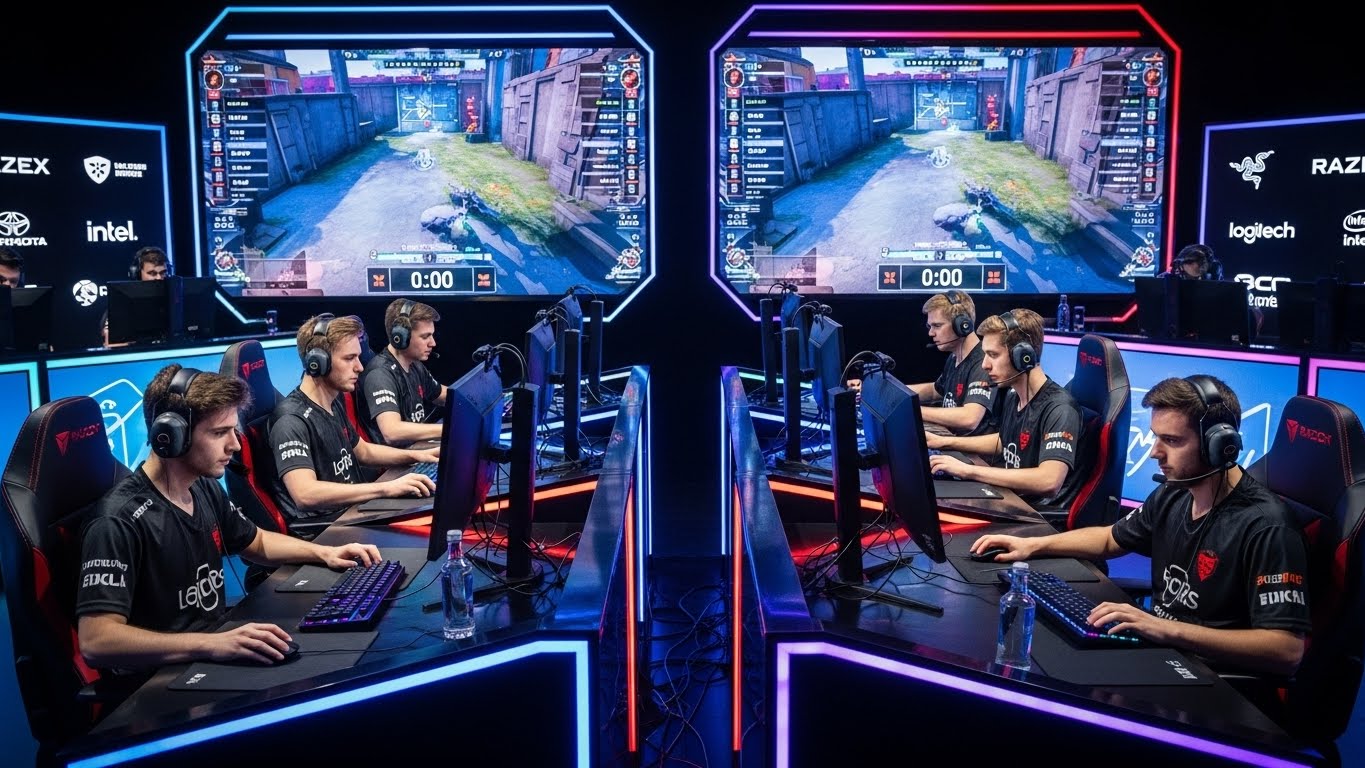
Professional Esports players are digital athletes. Success requires exceptional reflexes, precise hand-eye coordination, strategic thinking, and mental endurance. Training often involves six to ten hours a day, including practice matches, studying opponents, analyzing gameplay, and maintaining physical health.
Like traditional athletes, professional gamers rely on coaching, nutrition, and mental conditioning. They work as part of a team, communicating strategies and supporting each other in high-pressure situations. The dedication, discipline, and resilience required in Esports demonstrate that professional gaming is as demanding as any conventional sport.
The Role of Teams and Organizations
Esports teams operate like professional sports clubs. They include managers, coaches, analysts, and support staff who help players optimize performance. Teams compete in regional and international leagues and often secure sponsorships and media deals.
These organizations are crucial in nurturing talent, providing resources, and creating long-term strategies for success. They also engage with fans through social media, streaming platforms, and community events, strengthening the bond between players and audiences. Teams are central to Esports’ growth, driving competitive standards and fan engagement.
Tournaments and Global Competitions
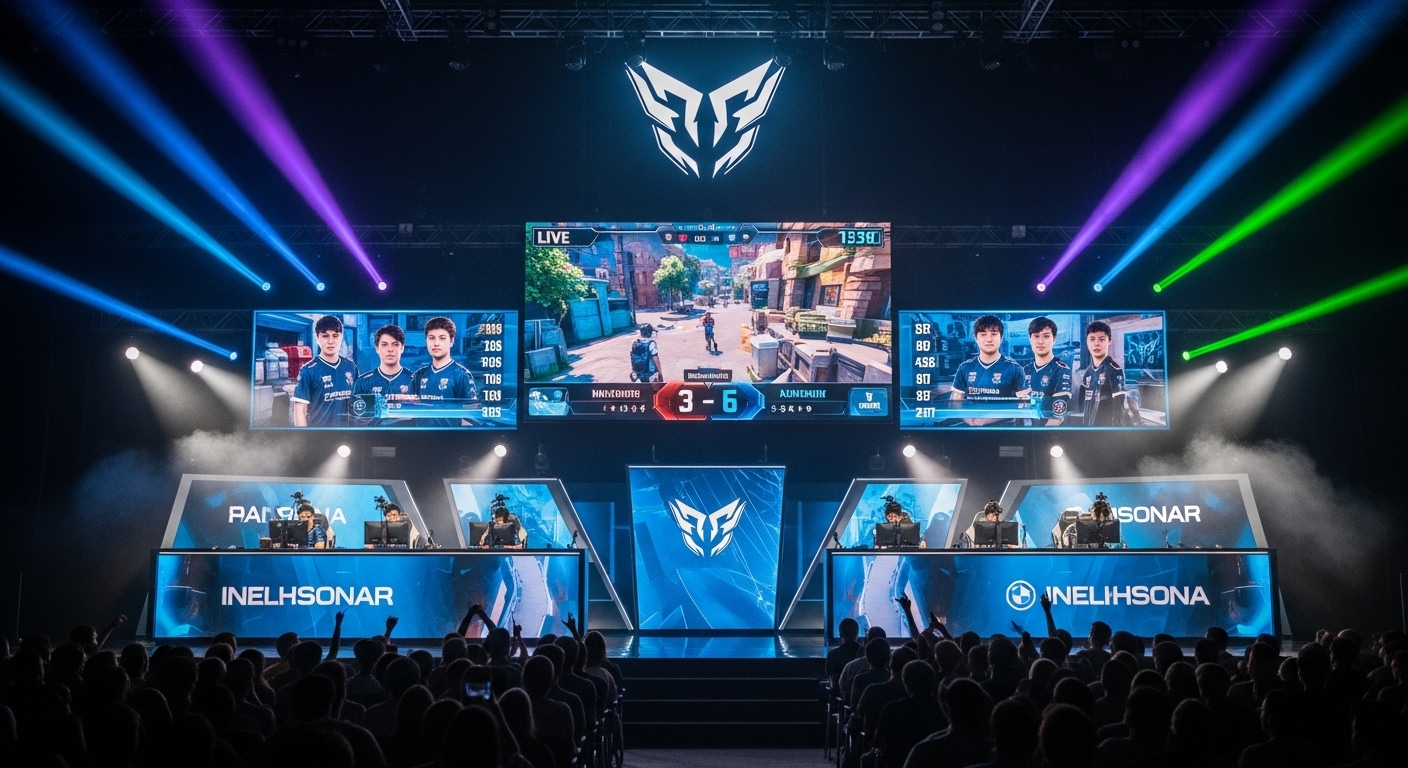
Esports tournaments are a cornerstone of the industry. Events like The International, League of Legends World Championship, and Fortnite World Cup offer multi-million-dollar prize pools and showcase top-tier gameplay. Competitions bring together elite players from around the globe, creating excitement and high-stakes drama.
Esports tournaments are more than competitions; they are entertainment spectacles. With live commentary, crowd reactions, interactive streaming, and professional production, these events provide immersive experiences similar to traditional sports. The scale and intensity of tournaments illustrate the professional legitimacy of Esports.
Physical and Mental Demands of Gaming
Although Esports is digital, it requires both physical and mental stamina. Players need quick reflexes, precise control, and sustained focus. Many incorporate fitness routines to improve endurance, reduce fatigue, and prevent repetitive strain injuries.
Mental resilience is equally important. Players handle intense pressure, strategize in real time, and make split-second decisions. The combination of physical conditioning, reflex training, and mental agility underscores that Esports is a demanding discipline, requiring the same dedication as traditional athletic pursuits.
Youth Engagement and Development
Esports has become increasingly popular among younger generations. Schools and universities are integrating competitive gaming programs, offering scholarships, and organizing tournaments. Participation in Esports provides youth with valuable skills such as teamwork, leadership, strategic thinking, and problem-solving.
Engaging in competitive gaming also fosters social connections, as players collaborate online and compete in leagues. Early exposure to Esports can help young individuals develop confidence, communication skills, and digital literacy, preparing them for future academic and professional success.
Career Opportunities in Esports
Esports offers a variety of career paths beyond professional gameplay. Coaching, event management, marketing, broadcasting, content creation, and technical development are all part of the ecosystem.
The industry allows individuals to combine passion, strategy, creativity, and technology. Professional players can also build personal brands, gain sponsorships, and influence millions of fans. As the Esports industry expands, it continues to create opportunities for innovative careers in digital competition.
Cultural and Social Impact
Esports has a profound impact on culture and society. It connects people across continents, fostering online communities where players share strategies, experiences, and friendships. Esports challenges stereotypes, showing that gaming requires skill, discipline, and dedication.
The industry has also influenced popular culture, with professional players becoming celebrities and tournaments being featured in mainstream media. Esports is more than entertainment; it represents a shift in how people view competition, creativity, and social interaction in a digital world.
The Role of Technology in Esports
Technology is the foundation of Esports. High-performance computers, gaming consoles, and advanced peripherals enable elite gameplay. Streaming platforms allow millions of fans to watch live events, while analytics tools provide insights into strategy and performance.
Virtual reality, augmented reality, and artificial intelligence are emerging trends that could revolutionize how Esports is played and experienced. Technology ensures that Esports continues to innovate while expanding its global reach and enhancing spectator engagement.
Challenges Facing Esports
Despite its rapid growth, Esports faces several challenges. Health concerns, including eye strain, repetitive motion injuries, and sedentary behavior, require attention. Mental health is another critical aspect, as competitive pressure, online toxicity, and burnout can affect players.
The industry also lacks uniform regulations in many regions, leading to inconsistencies in player contracts, tournament rules, and team management. Addressing these challenges is essential for the long-term sustainability, credibility, and professionalism of Esports.
The Future of Esports
The future of Esports is promising. Innovations such as virtual reality competitions, interactive streaming experiences, and advanced analytics are shaping new ways to play and watch games. Increased recognition in education and mainstream sports organizations will further validate Esports as a legitimate competitive pursuit.
Esports will continue to expand globally, with more diverse games, players, and audiences. Its integration with technology, entertainment, and culture ensures that it remains a dominant force in digital competition and fan engagement for years to come.
Conclusion: Esports – A New Era of Competition
Esports has evolved from casual gaming into a professional, global phenomenon. It offers a platform for skill, strategy, and teamwork while creating communities and opportunities across the world. Players, teams, and tournaments demonstrate that competitive gaming requires discipline, dedication, and mental toughness.
As Esports continues to grow, it is redefining the nature of competition, entertainment, and social connection. From local gaming arenas to international championships, Esports is no longer just a pastime—it is a cultural and technological revolution, shaping how humanity interacts with games, technology, and each other in the 21st century.