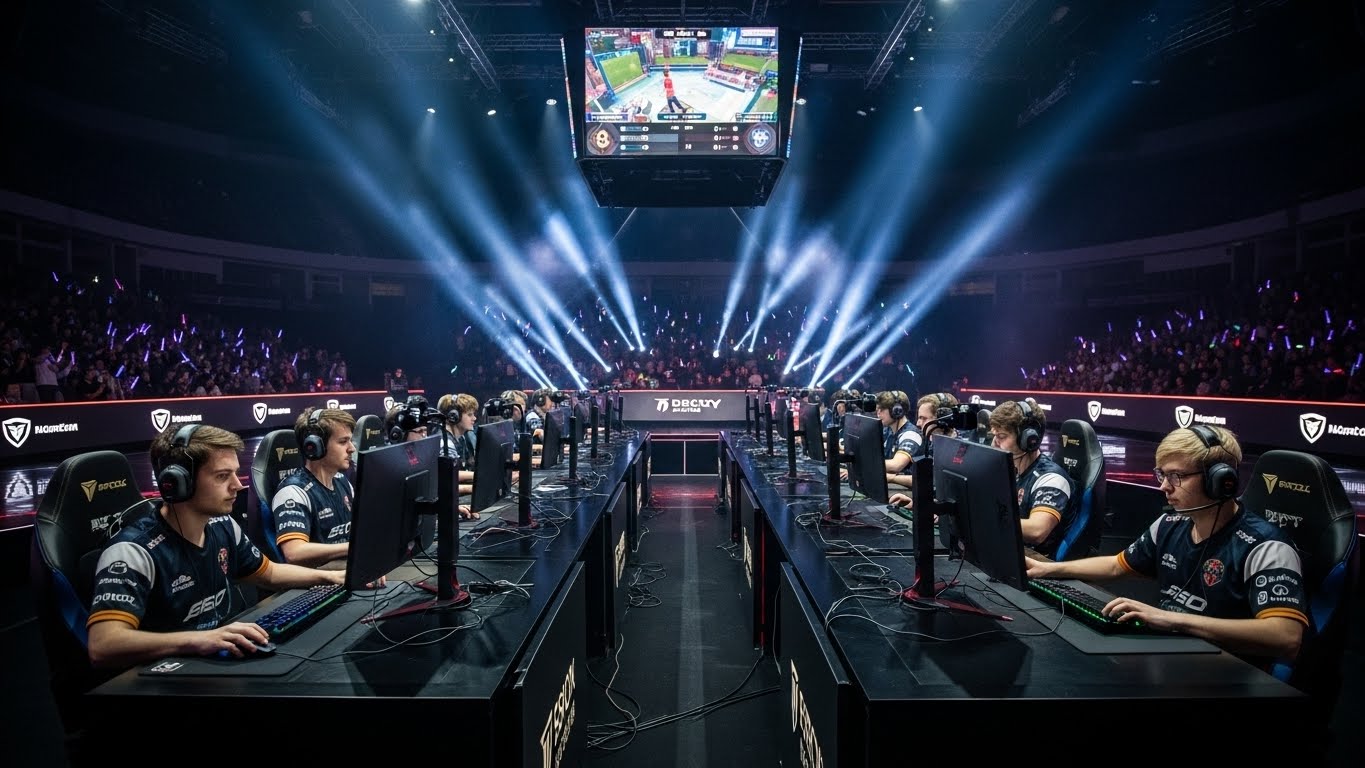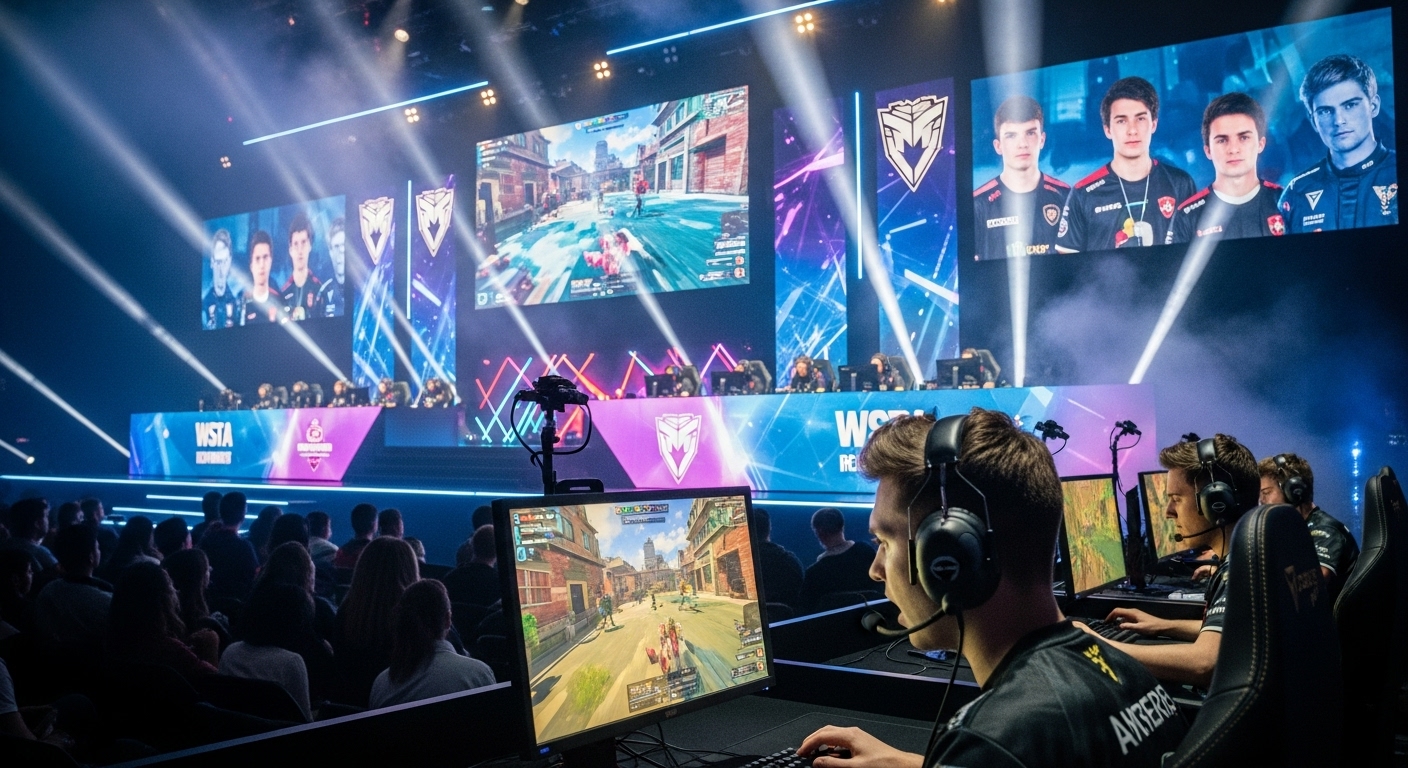
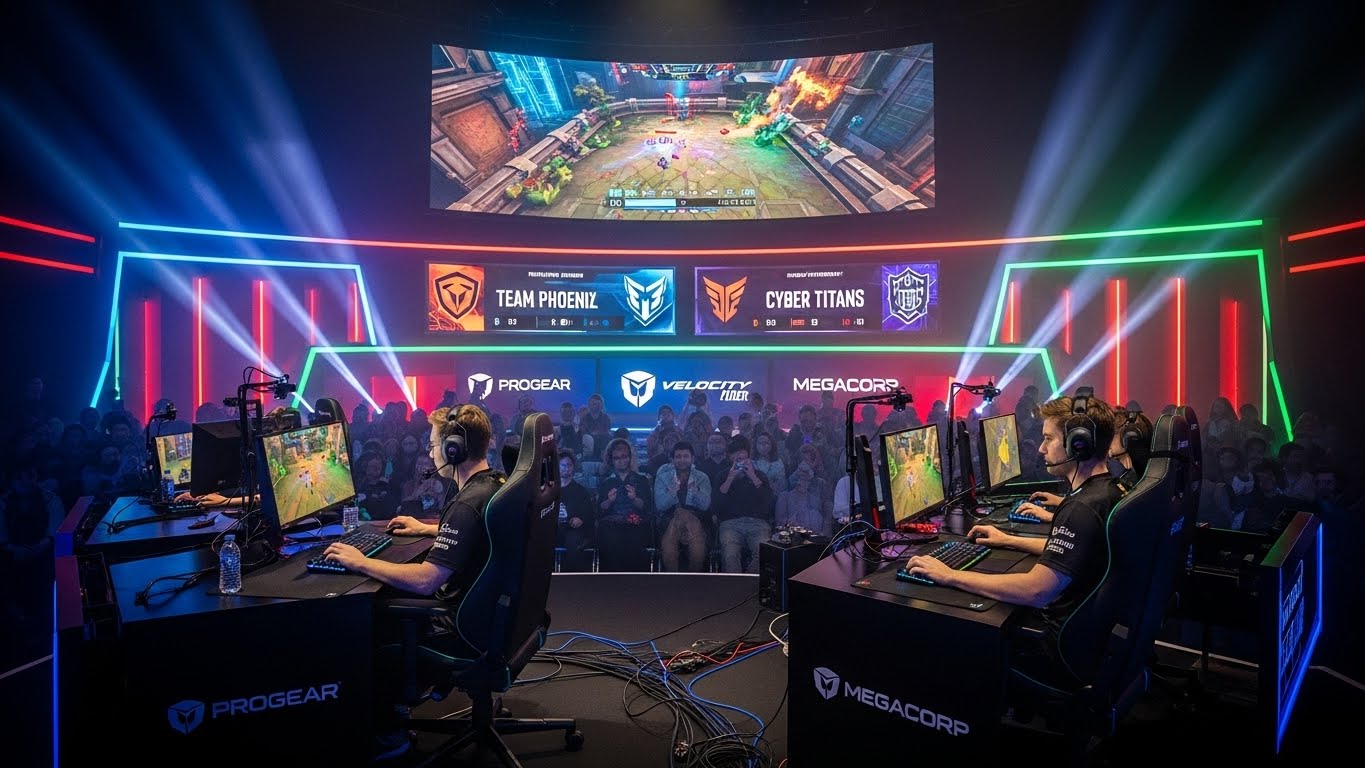
Esports, once considered a niche hobby, has evolved into a global phenomenon. From casual online matches to stadium-filling tournaments, competitive gaming now rivals traditional sports in viewership, sponsorship, and cultural impact. The rise of esports has created new opportunities for players, brands, and audiences alike, while also reshaping how society perceives gaming. This blog explores the evolution of esports, its cultural and economic significance, the challenges it faces, and the exciting future that lies ahead.
The Rise of Esports: From Basement Competitions to Global Arenas
The origins of esports can be traced back to the early 1980s, when arcade competitions and local gaming tournaments began to emerge. Games like Space Invaders and Pac-Man laid the foundation for competitive gaming, though at the time, these events were primarily recreational. As home computers and consoles became widespread, games like StarCraft, Counter-Strike, and Dota 2 helped establish esports as a serious competitive pursuit.
The 21st century brought a turning point. Online streaming platforms allowed players to showcase their skills to a global audience, while professional leagues offered structured competitions and financial incentives. Major tournaments began attracting millions of viewers, with prize pools rivaling those of traditional sports championships. This growth has transformed esports from a hobbyist activity into a professional industry with worldwide recognition.
Understanding the Esports Ecosystem
Esports is more than just players competing in video games. It is a complex ecosystem that includes professional players, teams, event organizers, streaming platforms, sponsors, and fans. Professional esports organizations recruit players, provide coaching, and manage logistics much like traditional sports clubs. Players train rigorously, often following schedules similar to professional athletes, including physical conditioning, strategic analysis, and mental health management.
Streaming platforms play a critical role in the esports ecosystem, offering live broadcasts of tournaments and gameplay. These platforms enable players to build personal brands, interact with fans, and generate income through subscriptions, donations, and sponsorships. Sponsors and advertisers also recognize the value of esports audiences, which tend to be young, engaged, and digitally savvy. By sponsoring tournaments, teams, or individual players, brands gain exposure to a highly targeted demographic.
Popular Esports Titles and Genres
Esports encompasses a wide range of games and genres, each with its own competitive scene. Multiplayer Online Battle Arena (MOBA) games like League of Legends and Dota 2 are among the most popular, known for their strategic depth and team coordination. First-Person Shooter (FPS) games such as Counter-Strike: Global Offensive, Call of Duty, and Valorant focus on precision, reflexes, and tactical planning. Battle royale games like Fortnite and Apex Legends combine survival, exploration, and combat, offering unpredictable and thrilling competition.
Sports simulation games also have a strong presence in esports. FIFA, NBA 2K, and Madden tournaments attract players who excel at translating real-world sports knowledge into digital gameplay. Fighting games like Street Fighter and Super Smash Bros emphasize individual skill and timing, creating intense one-on-one rivalries. Each genre brings unique challenges, audiences, and skill sets, contributing to the diversity and appeal of esports as a whole.
Esports as a Career Path
Professional esports careers are no longer considered unconventional. Top players earn significant salaries, tournament winnings, and sponsorship deals, making gaming a viable long-term profession. In addition to players, career opportunities exist in team management, coaching, content creation, event organization, marketing, and broadcasting. Universities and institutions are even beginning to offer esports scholarships, reflecting the growing legitimacy of competitive gaming as a career pathway.
However, pursuing esports as a profession comes with challenges. The competitive lifespan of a professional player can be short due to physical strain, burnout, and evolving game meta. Maintaining peak performance requires discipline, rigorous training, and mental resilience. Players must balance long hours of practice with personal health, education, and social life to sustain their careers.
Economic Impact of Esports
The esports industry has become a multi-billion-dollar market, with revenue streams stemming from sponsorships, media rights, merchandise, and ticket sales. Major tournaments now fill arenas and stadiums, attracting global audiences both in-person and online. Brands recognize esports as a powerful marketing tool, investing heavily in advertising and partnerships with teams and events.
Beyond direct revenue, esports drives economic growth in related sectors. Hardware manufacturers, game developers, streaming platforms, and marketing agencies all benefit from the industry’s expansion. Cities hosting major tournaments experience tourism boosts, hotel bookings, and increased local spending. This economic impact highlights esports as a serious business sector with global influence.
The Cultural Significance of Esports
Esports is more than a business; it is a cultural movement. Gaming has shifted from being a solitary hobby to a communal experience, fostering social connections and online communities. Fans engage through live streams, forums, and social media, forming bonds over shared interests and favorite teams.
Esports also challenges traditional notions of athleticism. While physical endurance remains relevant, mental acuity, strategic thinking, and teamwork are equally valued. The rise of esports has led to greater societal recognition of gamers as skilled professionals, breaking stereotypes that portray gaming as a waste of time or a solitary pursuit.
Esports has also influenced mainstream entertainment. Many professional players and teams collaborate with content creators, musicians, and brands, blending gaming culture with music, fashion, and media. This cultural fusion strengthens esports’ visibility and broadens its appeal beyond traditional gaming audiences.
Challenges Facing the Esports Industry
Despite its rapid growth, esports faces significant challenges. One major concern is player health and well-being. Intense training schedules can lead to physical injuries such as carpal tunnel syndrome, eye strain, and back problems, as well as mental health issues like stress and burnout. Organizations must prioritize player care, incorporating physical therapy, counseling, and wellness programs into their operations.
Another challenge is regulation and governance. Unlike traditional sports with established oversight bodies, esports lacks standardized rules and ethical guidelines across all games and regions. Issues such as cheating, match-fixing, and player exploitation require coordinated regulation to ensure fair competition and protect participants.
Inclusivity remains an ongoing challenge. While esports is more accessible than many physical sports, gender disparities, underrepresentation, and toxic online behavior persist. Promoting diversity, creating safe environments, and providing equal opportunities for all players are crucial for the long-term health of the industry.
The Future of Esports
The future of esports looks promising, with technological innovations and increasing mainstream acceptance driving growth. Virtual reality (VR) and augmented reality (AR) have the potential to revolutionize gameplay, offering immersive experiences for players and spectators. AI and machine learning are enhancing game design, matchmaking systems, and audience engagement, creating smarter and more interactive competitions.
Esports is also expanding geographically, with emerging markets in Asia, Latin America, and Africa contributing to global viewership and talent pools. This expansion encourages cross-cultural exchange and broadens the reach of competitive gaming.
Education and professional development are also set to grow alongside esports. Academic programs in game design, esports management, and digital media are preparing the next generation of players, analysts, and industry professionals. These initiatives ensure that esports remains sustainable and professionalized in the long term.
Preparing for an Esports Career
For aspiring esports professionals, preparation is key. Developing technical skills, strategic understanding, and teamwork abilities is essential. Building a personal brand through streaming, social media, and content creation can enhance visibility and open doors to sponsorship opportunities. Equally important is maintaining physical and mental health, as well as balancing gaming with education or career planning.
For those interested in the business side of esports, understanding market trends, event management, digital marketing, and community engagement is crucial. The esports ecosystem is multifaceted, offering diverse opportunities for individuals with varying skill sets and interests.
Conclusion
Esports has transformed from a niche pastime into a global cultural and economic force. It combines skill, strategy, entertainment, and community in ways that traditional sports cannot always achieve. While challenges such as player health, regulation, and inclusivity remain, the opportunities for growth and innovation are immense.
As technology continues to advance and societal perceptions of gaming evolve, esports will play an increasingly significant role in the digital age. From professional players to industry professionals, fans to brands, esports offers a platform for engagement, creativity, and achievement. The future is not just about gaming—it is about creating a competitive, connected, and inclusive digital world where skill and strategy are celebrated on a global stage.