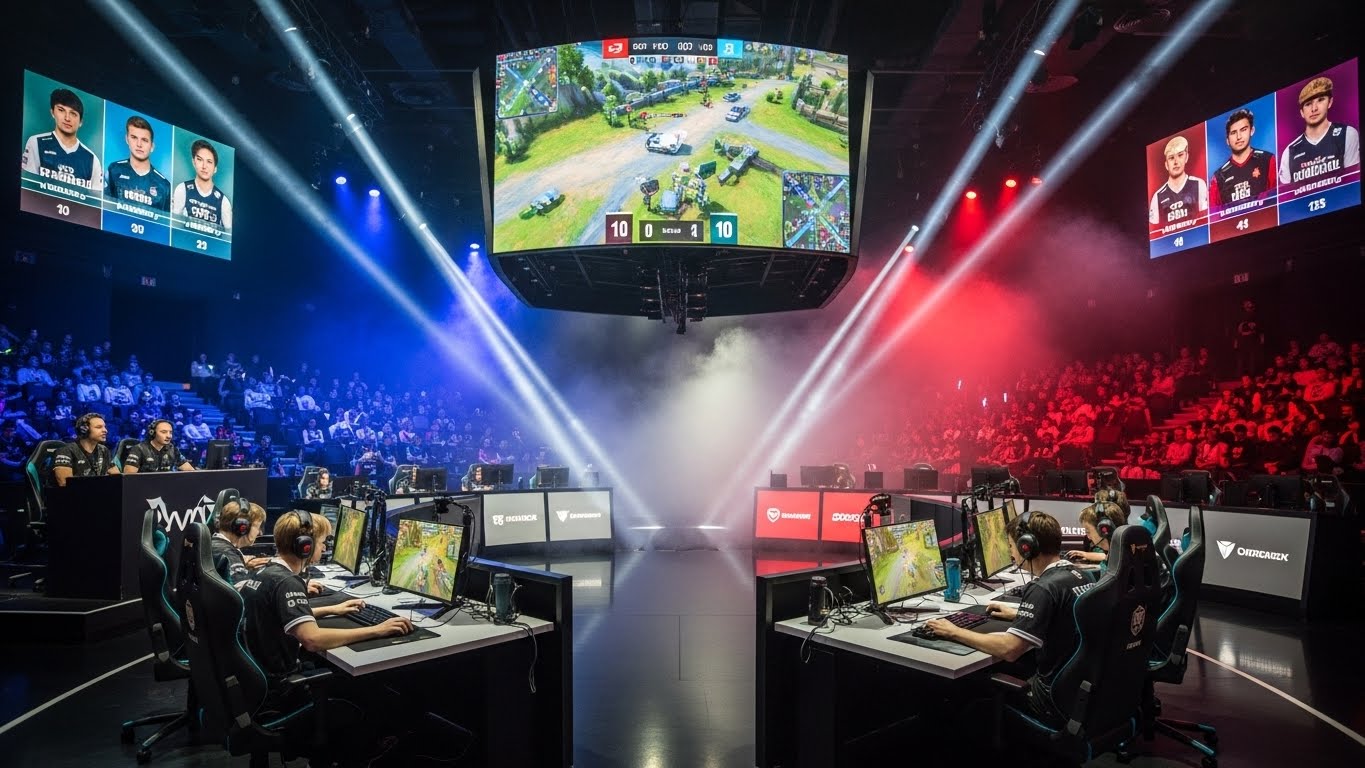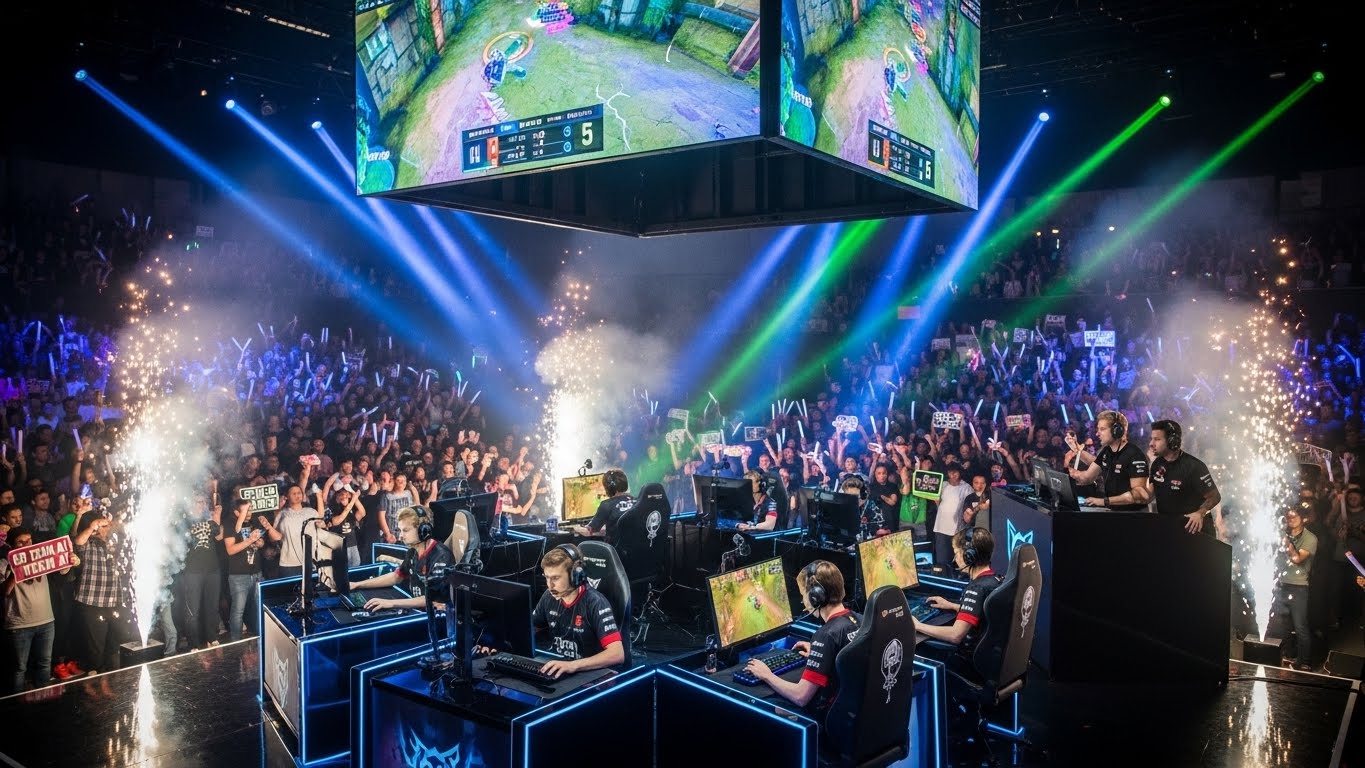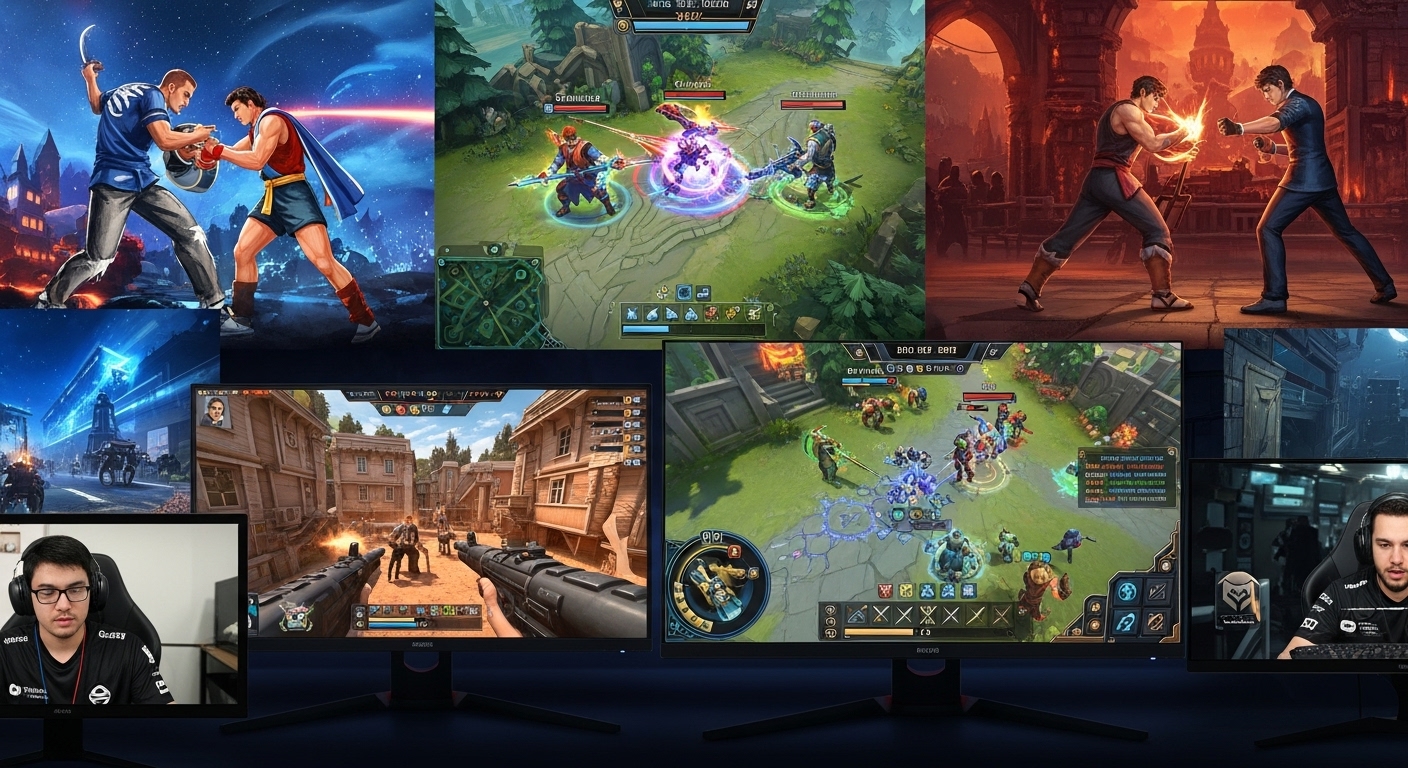

In recent years, esports has evolved from a niche pastime to a global cultural phenomenon. Once seen as a hobby for a select group of gamers, competitive gaming has exploded into a multi-billion dollar industry that captivates millions of viewers worldwide. With a blend of high-stakes competition, intricate strategies, and passionate fanbases, esports has become a force to be reckoned with. In this blog post, we will explore the growth of esports, its impact on the entertainment industry, the business side of competitive gaming, and what the future holds for this exciting and rapidly evolving field.
The Birth and Evolution of Esports
Esports, short for electronic sports, refers to organized, multiplayer video game competitions, particularly between professional players, individually or as teams. While competitive gaming has been around for decades, it wasn’t until the late 1990s and early 2000s that esports truly began to gain traction. Early tournaments, such as the Red Annihilation tournament for Quake in 1997, offered modest prize pools and attracted a small but dedicated following.
By the mid-2000s, esports began to expand beyond grassroots tournaments, with more formal competitions and better prize money. The establishment of platforms like Major League Gaming (MLG) and the rise of games like Warcraft III, StarCraft, and Counter-Strike laid the foundation for what would become the modern esports landscape. The advent of streaming platforms like Twitch in 2011 was a game-changer, allowing fans to watch live streams of their favorite players and teams, further fueling the growth of esports.
Today, esports is a global industry with professional leagues, massive sponsorship deals, and a diverse community of players, coaches, analysts, and content creators. Tournaments for games like League of Legends, Dota 2, Fortnite, and Overwatch now offer prize pools worth millions of dollars, attracting top-tier talent from around the world. Esports is no longer just about playing video games—it’s about building careers, creating communities, and entertaining millions of fans.
The Popularity of Esports: Global Viewership and Fan Engagement
One of the most remarkable aspects of esports is its massive and ever-growing global audience. According to recent reports, esports viewership is expected to surpass 500 million people worldwide in the next few years, a number that puts it on par with traditional sports such as basketball and football. Major events like the League of Legends World Championship and The International (Dota 2) attract millions of viewers, with some matches drawing more viewers than major television events, including the Super Bowl.
Esports is particularly popular among younger audiences, with a large percentage of viewers aged 18 to 34. This demographic is highly engaged and tech-savvy, making esports an ideal form of entertainment for the digital age. Streaming platforms like Twitch, YouTube Gaming, and Facebook Gaming have become the go-to destinations for fans who want to watch their favorite players and teams in action. These platforms allow for real-time interaction, enabling viewers to chat with players, ask questions, and even influence the content they see. Esports has become an interactive, community-driven experience, where fans don’t just watch—they participate in the action.
Social media also plays a significant role in building esports’ fanbase. Professional players, teams, and organizations maintain active presences on platforms like Twitter, Instagram, and TikTok, where they share highlights, personal stories, and interact with their followers. This direct connection with fans helps to humanize players and make esports more relatable, creating an atmosphere of camaraderie and engagement that is often lacking in traditional sports.
The Business of Esports: A Multi-Billion Dollar Industry
Esports is no longer just a hobby for gamers; it’s a thriving industry that has attracted massive investments from major corporations, traditional sports organizations, and even entertainment giants. The business side of esports is rapidly evolving, with sponsorships, media rights deals, merchandising, and ticket sales all contributing to its growing revenue streams.
Sponsorships are one of the biggest drivers of revenue in esports. Companies from a wide range of industries, including tech, automotive, energy drinks, and consumer goods, are eager to associate their brands with the esports movement. Companies like Intel, Coca-Cola, and Nike have all made significant investments in esports, either through partnerships or by sponsoring major tournaments and teams. These sponsorships provide vital financial support to esports organizations, helping them grow their operations and invest in new talent.
In addition to sponsorships, media rights deals are becoming increasingly important. Platforms like Twitch and YouTube have secured exclusive broadcasting rights for major esports events, providing a significant revenue stream for tournament organizers and esports leagues. The rise of digital streaming has also made esports more accessible to a global audience, further boosting viewership and engagement.
Merchandising and ticket sales represent another revenue source for the esports ecosystem. Just like traditional sports teams, esports organizations sell branded merchandise, such as jerseys, hats, and accessories, to fans. In addition, live events and tournaments often sell out large arenas, such as the League of Legends World Championship, which has been held in iconic venues like Madison Square Garden and the Staples Center.
The rise of esports betting is also contributing to its financial growth. Online betting platforms and sportsbooks now offer odds on esports matches, allowing fans to place bets on their favorite teams and players. This addition has further cemented esports as a legitimate and commercially viable sector in the broader sports and entertainment industries.
The Role of Professional Esports Teams and Players
As esports has grown in popularity, so too have the organizations and players that make up the competitive scene. Professional esports teams, much like traditional sports teams, recruit top players, coaches, analysts, and managers to create winning rosters. These teams compete in leagues and tournaments, with the goal of winning championships and securing lucrative sponsorships and media deals.
Top-tier esports organizations like Cloud9, Team Liquid, and FaZe Clan have become household names, not just in the gaming community but in the broader entertainment landscape. These organizations provide players with salaries, benefits, and training resources, treating esports as a professional career. Just like athletes in traditional sports, esports players have dedicated practice schedules, performance coaches, and team strategies to help them succeed.
Esports players themselves have become celebrities in their own right. Streamers like Ninja (Tyler Blevins), PewDiePie, and Shroud have millions of followers and have crossed over into mainstream media, making appearances in commercials, TV shows, and even movies. Many esports players are also active content creators, producing YouTube videos, livestreams, and social media posts that engage their audiences and generate additional income. This fusion of gaming, entertainment, and personal branding has allowed esports players to build substantial careers outside of the tournaments they participate in.
In addition to individual success, the emphasis on teamwork and collaboration is key in esports. Games like League of Legends, Overwatch, and Counter-Strike: Global Offensive require intense coordination and strategic thinking, making team dynamics just as important as individual skill. Success in esports is often about building a cohesive team, where players trust one another, communicate effectively, and play to their strengths.
The Growing Influence of Esports in Traditional Sports
As esports continues to grow, traditional sports leagues and organizations are increasingly looking to tap into the esports market. The National Basketball Association (NBA) and Major League Soccer (MLS) have launched their own esports leagues, while the National Football League (NFL) has collaborated with EA Sports to create virtual football competitions. These traditional sports organizations see esports as an opportunity to engage younger audiences and diversify their content offerings.
Moreover, professional athletes are beginning to invest in and even compete in esports. Figures like Michael Jordan and Shaquille O’Neal have backed esports teams, while others, like David Beckham, have ventured into the world of esports ownership. These investments show the growing convergence between traditional sports and esports, with both industries benefiting from each other’s success.
Esports also shares many similarities with traditional sports, from the sense of competition and the drive to succeed to the dedicated fanbases and large-scale tournaments. The crossover appeal between the two worlds is becoming more apparent, and many esports leagues are modeled after traditional sports structures, with regular seasons, playoffs, and championship events.
The Future of Esports: What Lies Ahead
The future of esports looks incredibly bright, with continued growth expected in both viewership and revenue. As technology advances, we can expect more immersive and interactive experiences for fans, including virtual reality and augmented reality applications. These innovations will likely enhance the fan experience, allowing for deeper engagement and new forms of interaction with players and teams.
The continued rise of mobile gaming also holds tremendous potential for the esports industry. Games like Clash Royale, PUBG Mobile, and Free Fire have already established a strong presence in the mobile esports scene, and as smartphones become more powerful, the mobile esports market will only continue to grow. This opens up new opportunities for players and fans alike, especially in regions where PC and console gaming are less accessible.
As esports continues to mature, it will also become more mainstream, with larger investments from corporations, higher salaries for players, and a greater focus on player well-being and mental health. As with traditional sports, the pressures of competition can take a toll on players, and organizations will need to prioritize their health, both physically and mentally.
Finally, the integration of esports into educational institutions will likely increase. Many universities and colleges now offer esports scholarships, and esports programs are becoming a staple in educational settings. This not only offers students a pathway to professional gaming but also promotes teamwork, strategy, and leadership skills that are valuable in other aspects of life.