
Introduction: The Emergence of Esports
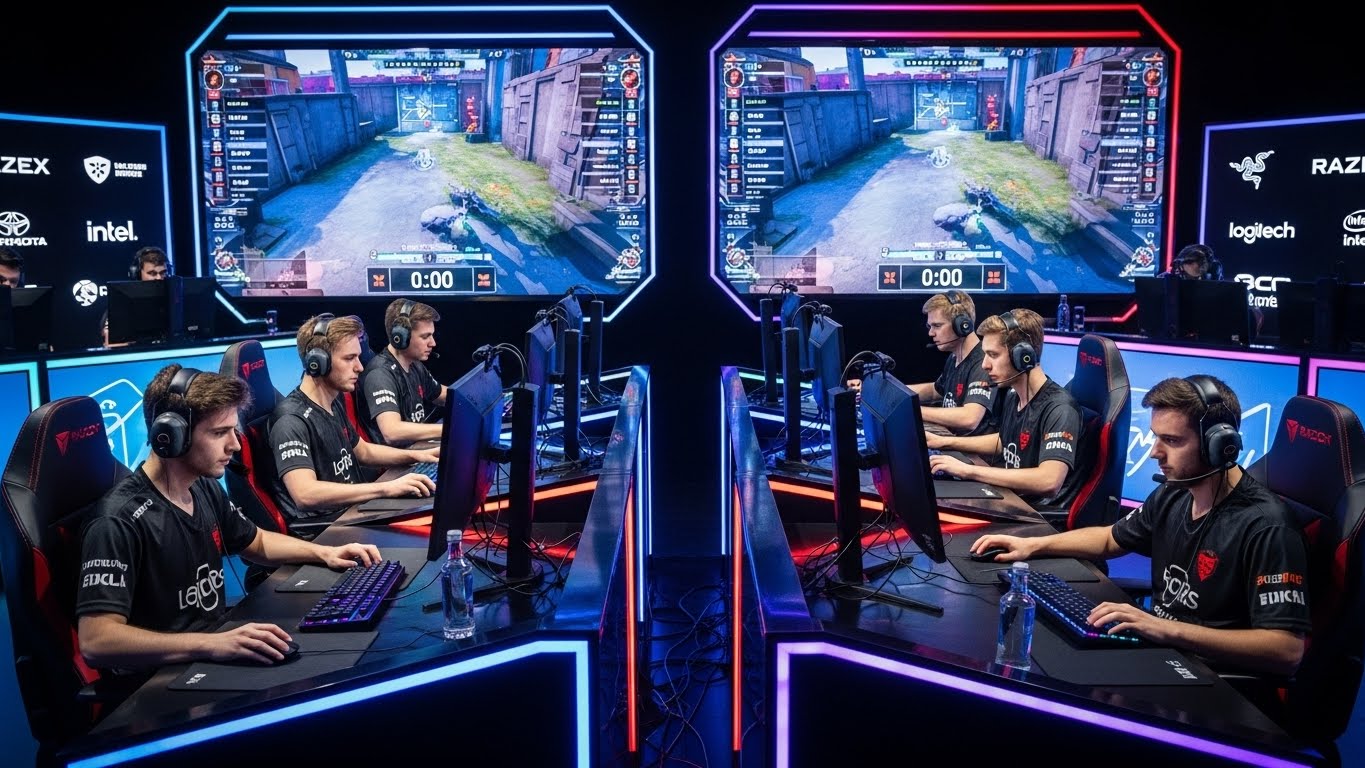
In recent years, esports has evolved from a niche hobby into a global phenomenon, attracting millions of players and viewers worldwide. What was once considered a casual pastime is now recognized as a serious competitive arena, complete with professional players, sponsorship deals, and international tournaments. Esports has not only transformed the way people view gaming but also reshaped the entertainment landscape, blending technology, skill, and community in unprecedented ways. The rise of esports reflects broader trends in digital culture, the professionalization of gaming, and the growing demand for interactive, competitive experiences.
A Brief History of Competitive Gaming
The roots of competitive gaming can be traced back to the late 1970s and 1980s, when arcade games and early consoles first introduced the concept of high scores and local competitions. Early tournaments were informal, often held in arcades or gaming clubs, but they laid the foundation for organized competitive gaming. The 1990s brought the rise of online multiplayer games, which enabled players to compete across regions, paving the way for global competitions. Games such as StarCraft, Counter-Strike, and Warcraft established the first esports communities, complete with professional teams and fan followings. Over the years, esports evolved into a structured industry, incorporating leagues, standardized rules, and large-scale tournaments that rival traditional sports events in scale and excitement.
The Popularity of Esports Games
Esports encompasses a wide variety of games, each offering distinct competitive experiences. Multiplayer online battle arena games like League of Legends and Dota 2 emphasize strategy, teamwork, and quick decision-making. First-person shooters such as Counter-Strike: Global Offensive and Valorant focus on precision, reflexes, and coordination. Fighting games like Street Fighter and Tekken test skill and timing in head-to-head matches, while sports simulations like FIFA and NBA 2K replicate real-world athletic competition. Each genre attracts unique audiences and fosters dedicated communities, highlighting the diversity and richness of the esports landscape. The popularity of these games is driven by their ability to balance skill, strategy, and entertainment, making them ideal for competitive play and spectator engagement.
Esports as a Professional Career
Esports has become a legitimate career path, offering professional players opportunities to earn significant income through salaries, tournament winnings, sponsorships, and streaming. Professional esports athletes dedicate countless hours to practice, refining their skills, studying opponents, and maintaining peak performance. Teams often employ coaches, analysts, and support staff, mirroring the structure of traditional sports organizations. Beyond players, careers in esports extend to event organizers, commentators, content creators, and marketers, creating a multifaceted ecosystem that supports the industry. The professionalization of esports has not only elevated its status but also inspired young players to pursue their passion with the possibility of global recognition and financial success.
The Spectator Experience
A defining feature of esports is its appeal to spectators. Millions of fans around the world tune in to watch tournaments live, either in arenas or through streaming platforms. The spectator experience is immersive, offering commentary, real-time statistics, and dynamic camera angles that capture the intensity of gameplay. Major events, such as world championships for League of Legends or Dota 2, draw audiences comparable to traditional sporting finals, complete with elaborate production, fan zones, and media coverage. The rise of streaming platforms has also democratized viewership, allowing anyone with an internet connection to follow their favorite players and teams. Spectator engagement is a driving force behind esports’ rapid growth, turning competitive gaming into a shared cultural experience.
The Role of Streaming and Digital Platforms
Streaming platforms have revolutionized esports by connecting players and fans on a global scale. Platforms like Twitch, YouTube Gaming, and other streaming services enable gamers to broadcast live matches, engage with audiences, and build personal brands. Streamers often blend entertainment, education, and competition, creating content that appeals to both casual viewers and hardcore fans. The interactivity of streaming fosters community, as viewers can comment, ask questions, and even influence gameplay. Digital platforms also provide opportunities for sponsorship and monetization, making streaming an integral part of the esports ecosystem. By merging gameplay, personality, and community, streaming has amplified esports’ cultural impact and broadened its reach beyond traditional audiences.
Global Impact of Esports
Esports has grown into a truly global phenomenon, with major tournaments hosted in North America, Europe, Asia, and South America. Countries such as South Korea, China, and the United States have become hubs of competitive gaming, producing top-tier players and teams. International events bring together diverse communities, creating cross-cultural exchanges and fostering mutual respect among fans. Esports has also influenced education and youth programs, with schools and universities offering scholarships and dedicated esports teams. The global impact of esports demonstrates its power to unite people through shared passion, transcending geographic, cultural, and social boundaries.
Esports and Technology
Technology is the backbone of esports, enabling competitive play, live streaming, and global connectivity. High-performance gaming hardware, fast internet, and advanced software ensure smooth gameplay and fair competition. Innovations such as virtual reality, augmented reality, and artificial intelligence are beginning to shape the future of esports, offering new ways to play, train, and spectate. Analytics and data-driven strategies are increasingly used by teams to study opponents, optimize performance, and make informed decisions during matches. Technology not only enhances the competitive experience but also drives innovation across the entire esports industry, shaping its growth and evolution.
Challenges and Criticisms
Despite its rapid rise, esports faces several challenges and criticisms. Concerns about player burnout, mental health, and the pressure of competition are prevalent among professional gamers. Additionally, the industry grapples with issues such as cheating, toxic behavior, and fairness in tournaments. Representation and inclusivity remain important topics, as esports strives to create welcoming spaces for players of all genders, backgrounds, and abilities. Ethical considerations, including sponsorships and monetization practices, also require careful attention. Addressing these challenges is crucial to ensuring that esports remains a positive, sustainable, and reputable form of entertainment.
The Future of Esports
The future of esports is poised for continued growth, innovation, and mainstream recognition. Esports is likely to expand into new genres, platforms, and regions, attracting a wider audience and more diverse participants. Advancements in technology, including virtual reality and cloud gaming, will create more immersive and interactive experiences. Traditional sports organizations are increasingly investing in esports teams, while media companies are integrating esports coverage into mainstream programming. Educational institutions and youth programs will continue to foster talent and professional development. The trajectory of esports suggests a future where competitive gaming is fully integrated into global culture, celebrated for its skill, entertainment, and community impact.
Conclusion: Esports as a Cultural Force
Esports has emerged as one of the most influential and dynamic forms of modern entertainment. It combines skill, strategy, technology, and community to create experiences that are both thrilling and meaningful. From humble beginnings in arcades to global tournaments watched by millions, esports has redefined what it means to play and compete in the digital age. It offers professional opportunities, fosters international connections, and inspires creativity and innovation. As esports continues to evolve, it will remain a powerful cultural force, shaping the future of gaming, entertainment, and social interaction. Competitive gaming is no longer just a pastime—it is a global movement that reflects the passion, talent, and creativity of an entire generation.