
Introduction: The Rise of Esports as a Global Phenomenon
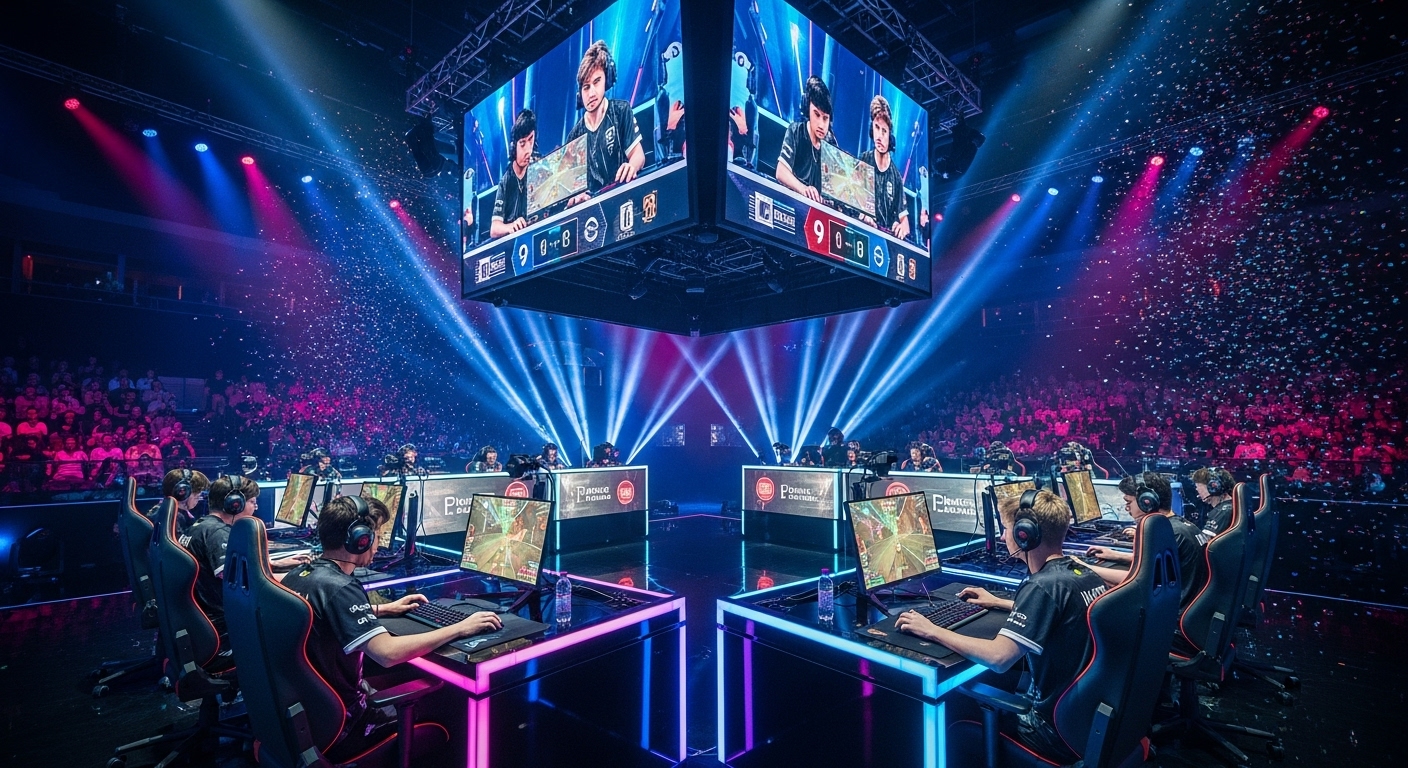
Esports, short for electronic sports, has transformed from a niche activity into a global entertainment powerhouse. What was once a hobby for a small group of passionate gamers has evolved into a multi-billion-dollar industry, attracting millions of viewers, players, and sponsors worldwide. The rapid growth of esports has been fueled by the rise of streaming platforms, the popularity of competitive video games, and the increasing legitimacy of gaming as a professional sport. Today, esports is not just a competition—it’s a cultural movement that is reshaping the way we think about sports, entertainment, and community.
In this blog post, we will explore the history of esports, the factors driving its growth, its impact on traditional sports and media, and the exciting future that lies ahead for this dynamic industry.
The Origins of Esports: From Arcade Games to Global Competitions
Esports has deep roots in the history of gaming, beginning with competitive play in the early days of arcade machines and personal computers. The first recorded video game tournament took place in 1972 with the “Stanford University Spacewar” competition, where players competed in the game Spacewar. While these early events were small-scale, they set the stage for competitive gaming as a legitimate form of entertainment.
The true beginnings of esports as we know it today can be traced back to the 1990s. The emergence of online multiplayer games like Quake and StarCraft created opportunities for gamers to face off against one another in digital arenas. In 1997, the launch of the Red Annihilation tournament for Quake attracted professional gamers and enthusiasts alike, marking the start of a more organized and competitive esports scene.
The 2000s saw the rise of esports leagues and tournaments, particularly in South Korea, where games like StarCraft and League of Legends became central to the country’s gaming culture. The popularity of these games, along with the establishment of professional teams and sponsorships, paved the way for esports to expand internationally. Events like the World Cyber Games and ESL (Electronic Sports League) became important fixtures in the competitive gaming landscape, and broadcast platforms such as Twitch further accelerated the industry’s global growth.
The Growth of Esports: A Global Industry
Over the past two decades, esports has exploded in popularity, drawing in millions of fans and players around the world. Several factors have contributed to this meteoric rise, including advances in internet connectivity, the proliferation of gaming consoles and PCs, and the increasing accessibility of high-quality streaming services.
One of the biggest drivers of esports growth has been the rise of live streaming platforms like Twitch, YouTube Gaming, and Facebook Gaming. These platforms allow players to stream their gameplay in real-time, while also offering fans the opportunity to interact with their favorite players, teams, and streamers. The ability to watch competitive gaming live has been a game-changer for esports, providing fans with constant access to top-tier competitions and players.
In addition to streaming platforms, social media has played a crucial role in fostering esports communities. Fans can connect with players and teams through Twitter, Instagram, and other platforms, creating a global network of passionate supporters. The rise of esports influencers and content creators has further fueled the industry’s growth, as these individuals build large followings and create entertaining content related to gaming and esports.
Esports and Professionalization: A Legitimate Sport
What sets esports apart from traditional gaming is its professionalization. Esports players are no longer just hobbyists—they are skilled athletes competing for cash prizes, sponsorships, and worldwide recognition. Just like traditional sports, esports features organized leagues, professional teams, and an infrastructure that supports players’ careers.
In many ways, esports mirrors traditional sports in terms of competition and structure. Professional esports players train for hours each day, developing their skills and strategies to outsmart opponents. They compete in tournaments that are often broadcast live on television and online, with large fanbases and sponsorships from global brands. The prize pools for major esports events can be staggering—some of the biggest tournaments offer millions of dollars in cash prizes, attracting top-tier talent from around the world.
Esports teams, much like sports teams, sign contracts with players, hire coaches, analysts, and support staff, and manage sponsorship deals. Major esports organizations, such as Team Liquid, Cloud9, and Fnatic, have become household names in the gaming community, and they compete in prestigious tournaments like The International (for Dota 2) and League of Legends World Championship. These organizations not only foster the growth of their players but also play an important role in cultivating the esports ecosystem, including events, marketing, and media coverage.
Esports Viewership: A New Era for Spectator Sports
The popularity of esports has led to a major shift in the landscape of spectator sports. In recent years, esports events have attracted millions of viewers, rivaling traditional sports in terms of audience size and engagement. For instance, The International—the annual Dota 2 championship—has drawn over 40 million viewers in some years, while the League of Legends World Championship regularly attracts over 100 million viewers globally.
Esports viewership is a unique experience. Unlike traditional sports broadcasts, esports events feature interactive components that engage fans in real time. Viewers can chat with each other and the players, contribute to the discussion, and follow along with the action from multiple angles. The ability to watch live gameplay, view strategy breakdowns, and get real-time updates has made esports an engaging and dynamic form of entertainment.
Moreover, the accessibility of esports has attracted younger audiences who may not be as interested in traditional sports. The online nature of esports means that viewers can watch games at home, on mobile devices, or even in public spaces. Esports also appeals to a global audience, as games like League of Legends and Fortnite transcend cultural and language barriers. This universal appeal has made esports a truly global spectator phenomenon.
The Economic Impact of Esports
Esports has quickly become one of the most lucrative industries in entertainment. Sponsorships, advertisements, ticket sales, media rights, and merchandise sales generate billions of dollars each year. Major brands from outside the gaming industry, such as Coca-Cola, Nike, and Intel, have jumped on board to sponsor esports events and teams, recognizing the massive potential of the esports audience.
In addition to traditional sponsorships, esports organizations are increasingly relying on media deals to boost their revenue. With the rise of streaming platforms, media rights deals have become a key revenue stream for esports organizations. Partnerships with platforms like Twitch and YouTube Gaming allow tournaments and events to reach a vast, engaged audience.
Furthermore, the growing popularity of esports has created job opportunities across various sectors. Event organizers, broadcasters, marketing experts, and content creators are just some of the roles that have emerged as the industry continues to expand.
The Future of Esports: Innovation and Opportunities
As esports continues to grow, the future of the industry looks brighter than ever. New technologies and innovations will further enhance the esports experience, both for players and spectators. Virtual reality (VR) and augmented reality (AR) are set to revolutionize esports, providing fans with even more immersive ways to engage with the games and tournaments they love. Imagine watching an esports match from the perspective of the player, or even participating in the competition yourself in a fully virtual environment.
Additionally, the rise of mobile gaming is opening up new opportunities for esports in emerging markets. Mobile esports titles, such as PUBG Mobile and Free Fire, are gaining massive popularity in regions like Southeast Asia, India, and Latin America. This democratization of esports—where anyone with a mobile phone can participate or watch—has the potential to expand the industry to new heights.
Esports will also continue to influence traditional sports. Many professional sports leagues, including the NBA and NFL, have already invested in esports, creating their own leagues or partnering with existing organizations. As the lines between traditional sports and esports blur, we may see more collaboration and cross-over events that bring together the best of both worlds.
Challenges and Controversies in Esports
Despite its success, esports faces several challenges that could hinder its continued growth. One of the biggest concerns is the health and well-being of players. Esports requires intense focus, long hours of practice, and rapid reflexes, which can lead to physical and mental strain. Issues like carpal tunnel syndrome, eye strain, and burnout are common among professional gamers. Ensuring the health of players should be a priority for organizations, with proper training, rest, and support systems in place.
Esports also faces issues with player exploitation and gambling. The rise of online betting platforms has led to concerns over the integrity of esports competitions, with players and teams potentially being involved in match-fixing. As the industry matures, it is essential for esports organizations to establish ethical standards, enforce regulations, and promote fair play.
Conclusion: Esports as a New Era of Competition and Entertainment
Esports is more than just a trend—it is a revolution in the world of gaming and entertainment. From its humble beginnings in small tournaments to its current status as a global industry, esports has proven that video games can be more than a hobby. They can be a profession, a sport, and a source of entertainment for millions of people worldwide.
As the industry continues to grow, esports will undoubtedly have a lasting impact on how we view gaming, sports, and competition. With technological advancements, greater accessibility, and an expanding global audience, the future of esports is limitless. Whether you are a player, a fan, or a sponsor, esports is here to stay—and it is only getting bigger.