
Esports has rapidly transformed from a hobby practiced in small gaming circles to a dominant global industry influencing entertainment, technology, culture, and careers. What began as friendly competitions among gaming enthusiasts has evolved into a full-fledged world of professional athletes, massive audiences, high-stakes tournaments, and dedicated organizations. Today, esports stands as one of the most influential forms of modern entertainment, shaping trends and attracting millions across continents. This blog explores how esports rose to power, what drives its popularity, and how it continues to redefine competition in the digital age.
The Early Foundations of Esports
Before esports became a worldwide sensation, competitive gaming existed in modest forms. Early video game competitions were hosted in arcades and small gaming venues where players battled for high scores or bragging rights. These events lacked formal structure but laid the groundwork for organized play.
As home consoles and personal computers gained popularity, more people began to explore multiplayer games. The arrival of local area network gaming introduced a new level of excitement, allowing players to compete directly with their friends in fast-paced environments. Although the scale was small, the competitive spirit was strong, and it planted the seeds for future esports culture.
The Impact of Internet Connectivity
The rise of the internet was a turning point for esports. Online gaming opened the door for global competition, removing geographical barriers and connecting players from all corners of the world. No longer limited to local matches, gamers could now participate in international battles, make new friends, form teams, and experience a competitive environment unlike anything before.
This shift also encouraged developers to design games that supported online multiplayer modes. These games quickly built loyal communities, encouraging players to invest time in improving their skills and deepening their strategic understanding. As servers grew more stable and technology improved, online play became central to competitive gaming.
Breakthrough Games That Shaped the Industry
Certain games played vital roles in establishing esports as a serious competitive field. Their mechanics, depth, and community support created ideal environments for tournaments and skill development. Strategy games, shooters, battle arenas, and sports simulations all contributed to this growth.
These games not only offered exciting gameplay but also encouraged players to analyze strategies, develop teamwork, and refine their techniques. The depth and complexity of competitive titles allowed esports to evolve beyond casual entertainment into a mentally demanding and highly technical pursuit. Each major game brought new fans, new players, and new possibilities to the expanding world of esports.
The Emergence of Professional Esports Teams
As interest grew, players began forming dedicated teams to train and compete at higher levels. These teams were more organized than casual groups and often acted like professional sports organizations. They created schedules, practiced together, studied opponent playstyles, and refined their strategies to gain a competitive edge.
Professional teams quickly attracted sponsorships, merchandise sales, and brand partnerships. With these resources, players could focus full-time on gaming, turning their passion into a career. This structure added legitimacy to esports, transforming it into an industry with real opportunities and long-term growth potential.
Large-Scale Tournaments and Fan Engagement
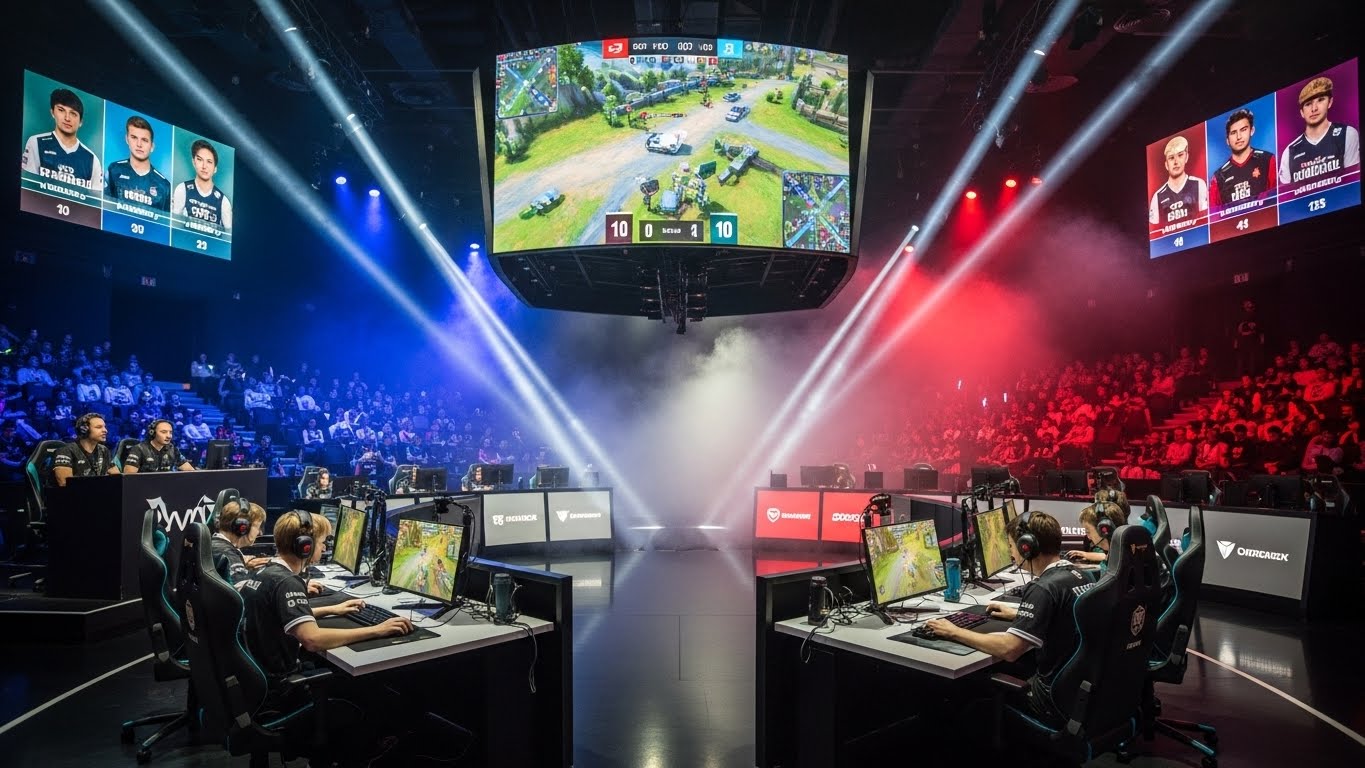
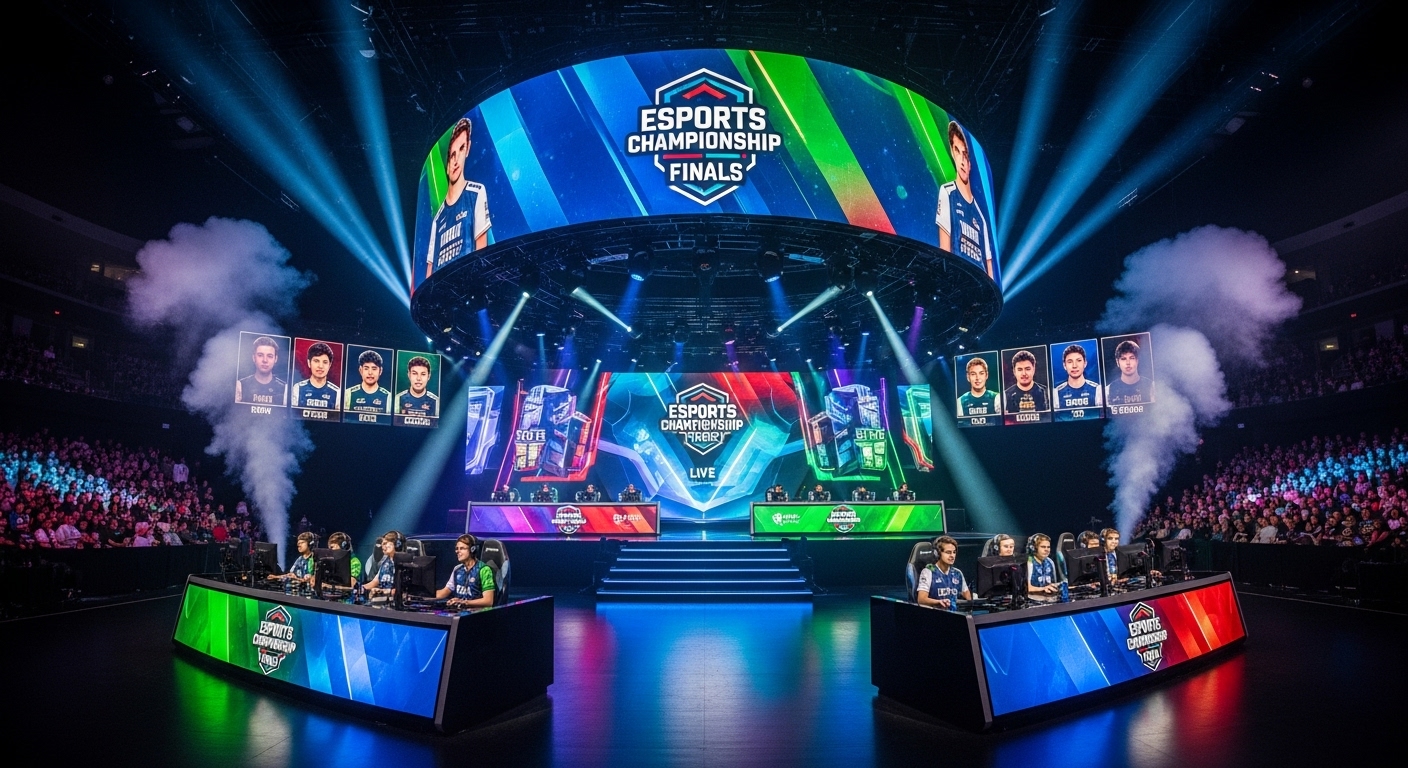
Esports tournaments grew from small gatherings into major international events capable of filling arenas. Fans gather by the thousands to watch teams compete in grand finals, celebrating each victory with the same enthusiasm found in traditional sports stadiums. These events feature elaborate stage designs, professional commentators, thrilling music, and dramatic lighting to elevate the competitive atmosphere.
The tension of close matches, the roar of the crowd, and the celebration of champions have turned esports tournaments into memorable experiences. Fans follow team rivalries, player storylines, and seasonal tournaments with passion. The excitement and emotional investment demonstrate that esports has become far more than simply playing a game—it has become a form of entertainment that unites people across cultures.
The Power of Streaming and Digital Platforms
Streaming platforms revolutionized how fans interact with esports. Viewers no longer needed to travel to events or wait for broadcasts. They could watch games live, follow their favorite players, and observe high-level strategies from anywhere in the world.
This accessibility helped esports grow at an unprecedented pace. Professional players built huge fan followings by streaming their practice sessions, sharing gameplay tips, and interacting with viewers. Content creators also contributed to the ecosystem by producing entertaining videos, educational breakdowns, and highlight compilations.
Streaming made esports more personal, creating deeper fan relationships and expanding the industry’s reach. It also opened new opportunities for players to earn income, making esports a viable long-term career path for skilled and dedicated gamers.
The Business Side of Esports
The esports industry is now a billion-dollar ecosystem supported by sponsorships, advertising deals, merchandise sales, and team branding. Companies from various industries, including technology, clothing, and beverages, invest heavily in esports to connect with younger, tech-savvy audiences.
Professional players receive salaries, bonuses, and prize money from tournaments. Coaches, analysts, marketing specialists, content creators, and event organizers also contribute to the industry’s success. With countless roles available, esports has become an economic powerhouse offering career opportunities far beyond the gaming screen.
Esports in Education and Youth Development
Esports has entered the educational world as schools and universities recognize the benefits of competitive gaming. Many institutions now offer esports programs, clubs, and even scholarships to talented players. These programs foster teamwork, leadership abilities, strategic thinking, and time management.
Beyond competition, esports exposes students to digital media careers, game design, event production, and technology development. It also helps them develop communication skills and resilience, as competitive gaming requires mental discipline and adaptability under pressure.
Health and Wellness in Esports
While esports demands mental agility, teamwork, and strategic insight, it also requires players to manage their physical and emotional health. Professional gamers face long practice hours, intense pressure, and the challenge of maintaining peak focus. To address this, esports organizations have begun incorporating fitness routines, balanced schedules, nutritional guidance, and mental health support into player training programs.
Healthy habits not only improve performance but also ensure longevity in esports careers. As awareness grows, the industry continues to prioritize player well-being to create a sustainable future for professional gaming.
Challenges Facing the Esports Industry
Like any rapidly growing field, esports faces its share of challenges. Issues such as competitive integrity, player burnout, inconsistent regulations, and financial stability require careful management. Some regions lack formal structures for governing esports, leading to difficulties in establishing standardized rules and fair opportunities.
Players must also navigate the stresses of public visibility and high expectations. Balancing practice, personal time, and career planning is essential to avoid exhaustion. Despite these challenges, the industry continues to evolve and build systems that protect players and maintain competitive fairness.
What the Future Holds for Esports
The future of esports is bright and filled with innovation. Advancements in virtual reality, augmented reality, and immersive technology will reshape how competitions are played and viewed. More nations are recognizing esports as a legitimate sport, opening doors for global leagues and Olympic-level participation.
Esports will continue integrating with entertainment, fashion, media, and digital technology. As audiences grow, so will the sophistication of events, production quality, and career opportunities. The next generation of gamers will step into an industry more polished and influential than ever before.
Conclusion: Esports and the New Era of Competition
Esports has become a cultural, technological, and competitive phenomenon that reshapes how the world views entertainment. From its humble beginnings in small gaming communities to its rise as a global powerhouse, esports has proven the power of passion, innovation, and connection.
It unites millions, creates careers, inspires creativity, and pushes the limits of what digital competition can achieve. As technology continues to advance and audiences expand, esports will remain at the forefront of modern entertainment, defining a new era where virtual arenas are just as thrilling as physical ones.