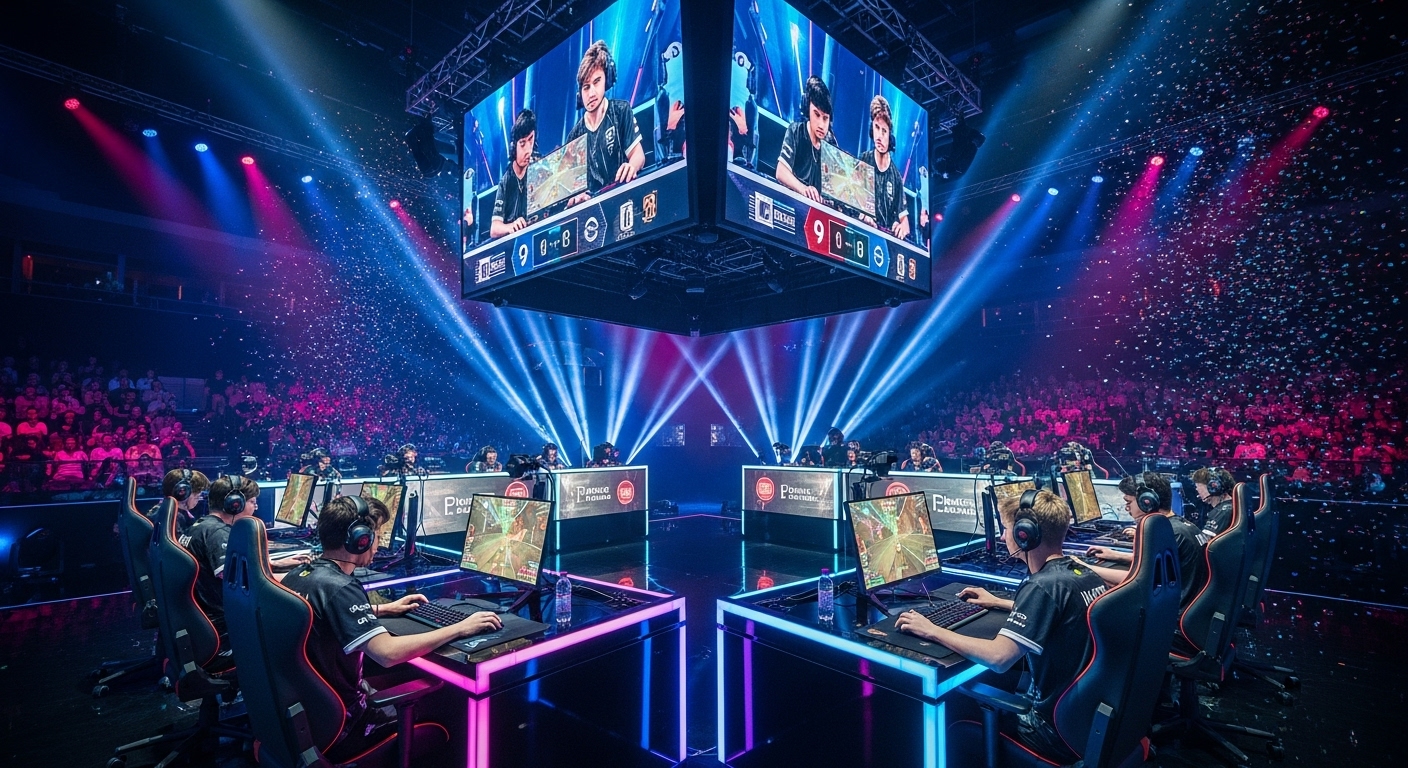
In recent years, esports has grown from a niche hobby to a global phenomenon. What was once a pastime for a select group of gamers is now an industry worth billions of dollars. This rise in popularity is not only changing the way we view gaming, but it’s also reshaping the sports world and how we consume entertainment. From massive tournaments with millions of viewers to professional players who enjoy the same fame and fortune as traditional athletes, esports is revolutionizing both the gaming landscape and global culture. In this blog post, we’ll explore the rise of esports, its impact on the gaming world, and the broader cultural shifts it has prompted.
What is Esports?
At its core, esports is competitive video gaming. It involves professional players competing in organized multiplayer video game tournaments, often with large-scale events broadcasted to thousands or even millions of viewers online and through traditional media. The games played in esports vary widely, ranging from real-time strategy games like StarCraft and Age of Empires, to first-person shooters such as Counter-Strike and Overwatch, to multiplayer online battle arena games (MOBAs) like League of Legends and Dota 2.
Esports is unique because it blends the excitement of traditional sports competition with the digital, interactive nature of video games. Players use their strategic thinking, skill, and teamwork to overcome opponents, much like athletes in football, basketball, or soccer.
The Evolution of Esports: From Hobby to Global Industry
The history of esports dates back to the early days of video games, with informal tournaments and competitive play happening even in the 1980s. However, esports really began to gain momentum in the late 1990s and early 2000s with the launch of games like Quake, StarCraft, and Warcraft. These games brought players together in large-scale LAN (local area network) events and online competitions, laying the groundwork for the modern esports ecosystem.
In the 2010s, esports began to evolve into the massive industry we recognize today. The introduction of streaming platforms such as Twitch and YouTube Gaming allowed gamers to broadcast their matches and gain large followings, which in turn fueled the growth of professional esports teams, tournaments, and sponsorships. Games like League of Legends and Dota 2 attracted millions of viewers, and prize pools for tournaments started reaching eye-watering amounts. In 2013, the League of Legends World Championship had a prize pool of $2 million, a staggering amount for a video game competition at the time. By 2023, that same tournament had a prize pool exceeding $10 million.
What began as a hobby is now a multi-billion dollar industry, with major brands investing heavily in sponsorships, advertising, and endorsements. Esports organizations, many of them backed by traditional sports teams and media companies, now operate on a global scale, and competitive gaming has become a career for many players.
The Global Esports Phenomenon
Esports is no longer a niche interest, but a global entertainment phenomenon. In 2020, the global esports market was valued at approximately $1.1 billion, and that number continues to grow as more people around the world engage with competitive gaming. Countries like South Korea, China, and the United States have emerged as hotspots for esports, with major tournaments regularly held in cities such as Los Angeles, Seoul, and Shanghai.
One of the key factors contributing to the global reach of esports is the increasing accessibility of high-speed internet and affordable gaming hardware. With a solid internet connection, players from virtually any part of the world can compete in online tournaments and broadcast their gameplay for millions to see. Esports has democratized gaming, allowing individuals from diverse backgrounds and regions to participate in a shared digital space.
Furthermore, the rise of mobile gaming has opened new doors for esports, particularly in regions like Southeast Asia, where mobile-first gaming is hugely popular. Titles like PUBG Mobile, Arena of Valor, and Free Fire have cultivated massive esports communities, with tournaments attracting millions of viewers and offering impressive prize pools.
Esports as a Career Path
One of the most exciting aspects of esports is the opportunity it provides for gamers to turn their passion into a career. Professional esports players can earn substantial salaries through tournament winnings, sponsorships, and streaming revenue. Top players in games like Fortnite, League of Legends, and Counter-Strike: Global Offensive can command salaries that rival those of athletes in traditional sports.
In addition to players, esports has also created a wealth of career opportunities in other areas, including coaching, broadcasting, event management, marketing, and content creation. Esports organizations have entire teams dedicated to analytics, sponsorship acquisition, and production, while content creators—such as streamers and YouTubers—can build lucrative careers through platform monetization.
Many esports players start their careers as teenagers, often being scouted by professional organizations or teams as early as 14 or 15 years old. As with traditional sports, the pressure to perform at a high level is immense, and players can experience burnout or mental strain as they balance training, competition, and personal life. As the industry matures, however, there is growing recognition of the importance of mental health and well-being in esports, and many organizations are investing in resources to support their players.
The Impact of Esports on Traditional Sports
One of the most interesting effects of esports’ rise is its impact on traditional sports. As esports grows, it’s beginning to attract a younger audience that may not engage with traditional sports in the same way. Many young viewers are more likely to tune in to an esports competition than a football or basketball game. This demographic shift has forced traditional sports leagues to pay closer attention to esports and its potential as a new form of entertainment.
Some traditional sports organizations have even entered the esports world directly. For example, professional football teams like Paris Saint-Germain and Manchester City have launched their own esports teams to compete in games like FIFA and eFootball. The National Basketball Association (NBA) has created the NBA 2K League, a professional esports league based on the NBA 2K video game series. These efforts signal a recognition that esports and traditional sports can coexist, with esports acting as a bridge between digital and physical entertainment.
The Cultural Influence of Esports
Esports is more than just an industry; it is a cultural movement that has had a profound impact on gaming culture, entertainment, and even social norms. Competitive gaming has given rise to a new kind of celebrity. Esports players, often younger than their counterparts in traditional sports, have massive social media followings, with millions of fans around the world. Players like Faker (Lee Sang-hyeok) from League of Legends or Ninja (Tyler Blevins) from Fortnite are household names, with a level of fame that rivals any traditional athlete.
Esports is also a community-driven phenomenon. Many gamers identify with the culture of esports and the sense of belonging that comes with participating in tournaments, online leagues, and live streaming. The esports ecosystem is diverse, including players from all over the world, of all backgrounds, and from all walks of life. The community has fostered a global culture of inclusivity, competition, and creativity that transcends geographic boundaries.
Another important aspect of esports’ cultural impact is its influence on the future of education. Esports is being integrated into schools and universities worldwide, with many institutions offering scholarships to top players. Esports is also being used as a tool to teach teamwork, leadership, and strategic thinking, skills that are transferable to many other fields of life. This growing acceptance of esports as an educational and developmental tool suggests that competitive gaming will continue to have a long-lasting impact on society.
The Future of Esports
Looking ahead, the future of esports appears incredibly bright. As technology advances, the experience of watching esports will become even more immersive, with virtual reality (VR) and augmented reality (AR) set to play a key role in the next phase of esports evolution. The potential for cross-platform gaming, cloud gaming, and AI-powered experiences promises to further enhance the appeal and accessibility of esports for players and viewers alike.
Additionally, with the rise of mobile gaming, esports will continue to expand into new regions, including emerging markets in Africa and Latin America. As esports tournaments continue to be broadcast globally, the industry will likely see an increase in sponsorships and commercial partnerships, making esports an even more influential force in the entertainment world.
In conclusion, esports is much more than a passing trend. It represents a cultural revolution in the world of gaming and entertainment, shaping the way we think about sports, competition, and technology. With its growing global fanbase, diverse career opportunities, and significant impact on traditional sports and entertainment, esports is poised to continue its ascent, capturing the hearts and minds of millions around the world.
Whether you’re a gamer, a fan, or someone who simply enjoys the excitement of competition, esports has something to offer. It’s not just about playing games—it’s about joining a global community, experiencing the thrill of competition, and witnessing the future of entertainment unfold before your eyes.


