
Esports, or competitive video gaming, has rapidly evolved from a niche hobby into a global phenomenon. What started as casual competitions among friends has transformed into a multi-billion-dollar industry with professional teams, massive audiences, and prestigious tournaments. In this blog post, we will dive deep into the world of esports—exploring its origins, the reasons behind its meteoric rise, its impact on entertainment and culture, and what the future holds for this dynamic form of competition.
The Origins of Esports
The roots of esports can be traced back to the early days of video games, when players competed in arcade tournaments and local contests. Classic games like Pac-Man and Street Fighter paved the way for organized competitions. However, it wasn’t until the late 1990s and early 2000s that esports began to take shape as a professional sport, with the rise of games like StarCraft and Counter-Strike. These games introduced online multiplayer capabilities and competitive ranking systems, allowing players from around the world to face off in real-time.
The creation of dedicated esports leagues and tournaments soon followed, creating opportunities for skilled players to showcase their talents on a larger stage. These early events laid the foundation for what would become an international industry.
Why Esports Has Exploded in Popularity
Several factors have contributed to the explosive growth of esports. One of the key drivers is the accessibility of video games themselves. Unlike traditional sports, esports requires no physical prowess or expensive equipment—just a computer or gaming console and an internet connection. This accessibility has opened the door for millions of players to participate or follow competitive gaming.
Another important factor is the rise of streaming platforms, which have revolutionized how fans consume esports content. Platforms allow viewers to watch live matches, follow favorite players, and engage with communities in real time. This has created an interactive and social experience that goes beyond simply watching a game, making esports a communal event.
Esports as a Career
Today, esports has grown into a legitimate career path for many players. Professional gamers train rigorously, often practicing for hours each day to hone their skills. Like traditional athletes, they compete for prize money, sponsorship deals, and fan followings. Top esports players earn substantial incomes and enjoy celebrity status within the gaming community.
In addition to players, there are also numerous roles that support the esports ecosystem, including coaches, analysts, commentators, event organizers, and marketing professionals. The industry has created a diverse range of jobs, making it an attractive career option for those passionate about gaming.
The Impact of Esports on Culture
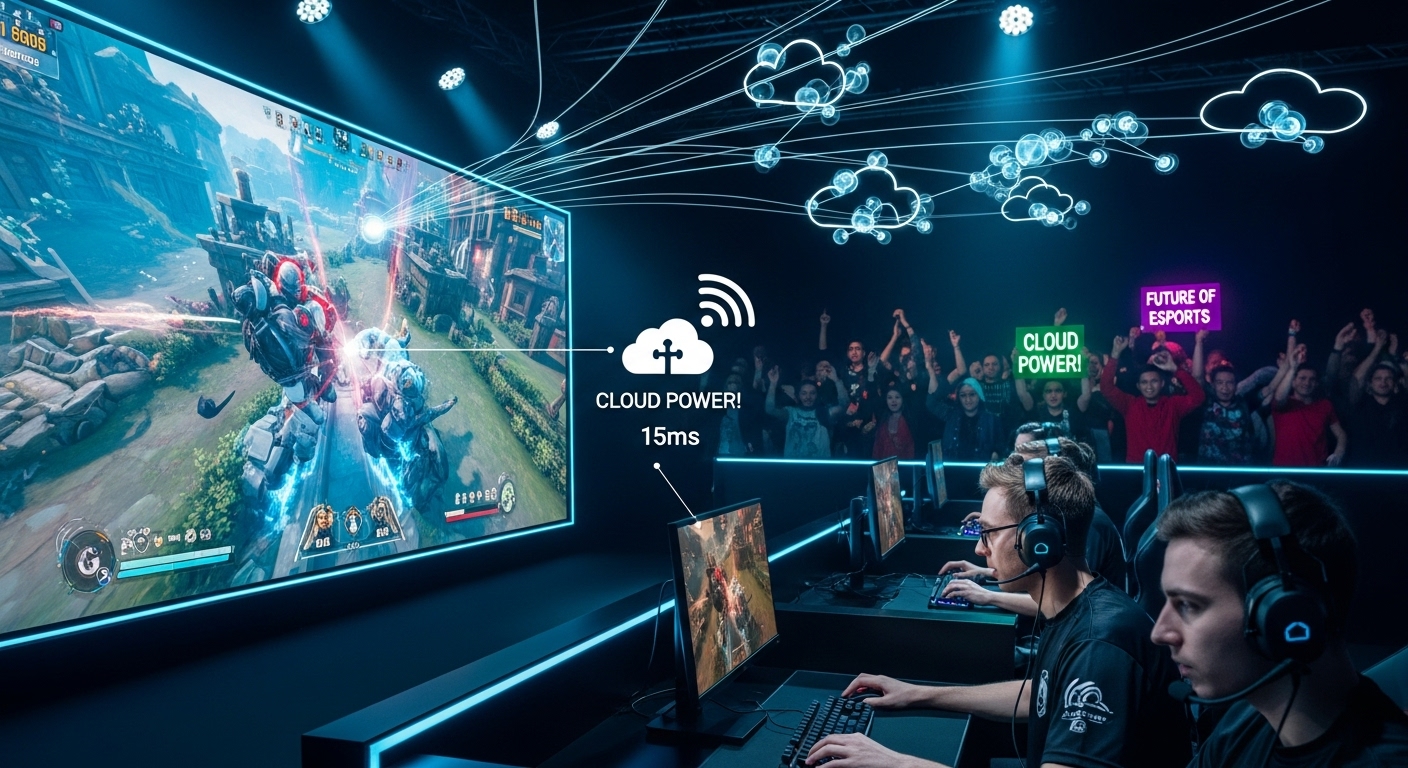
Esports is more than just competition; it has become a cultural force influencing fashion, music, and entertainment. Esports events attract massive audiences, rivaling some traditional sports in viewership numbers. These tournaments often feature elaborate productions, including light shows, live music, and celebrity appearances, turning matches into grand spectacles.
The community aspect of esports is also significant. Fans connect through online forums, social media, and live events, forming friendships and shared identities. The inclusiveness of esports allows people from different backgrounds and countries to unite over a common passion.
Challenges Facing the Esports Industry
Despite its rapid growth, the esports industry faces challenges. Issues such as player burnout, mental health concerns, and the need for better regulation are increasingly coming to light. Maintaining fair competition and preventing cheating remain ongoing priorities. Additionally, the industry must address inclusivity and ensure opportunities for underrepresented groups.
Organizers and stakeholders are working to create healthier environments, introduce player welfare programs, and establish governance structures that promote long-term sustainability.
The Future of Esports
The future of esports looks promising with continuous innovation and expansion. Emerging technologies like virtual reality and augmented reality could redefine how players and fans experience competitive gaming. New game genres and platforms are constantly appearing, broadening the audience base.
Furthermore, as traditional sports organizations recognize the popularity of esports, collaborations and crossovers are becoming more common. This blending of worlds hints at an integrated entertainment future where digital and physical sports coexist.
Conclusion
Esports has grown from humble beginnings into a powerful cultural and economic force. It offers thrilling competition, career opportunities, and a vibrant community for millions worldwide. As the industry matures, it will undoubtedly face challenges but also embrace new possibilities that push the boundaries of gaming and entertainment.
For anyone interested in the evolving landscape of modern sports and digital culture, esports provides a fascinating window into the future—where passion, skill, and technology unite to create a global phenomenon unlike anything seen before.