Introduction: The Digital Revolution in Competition
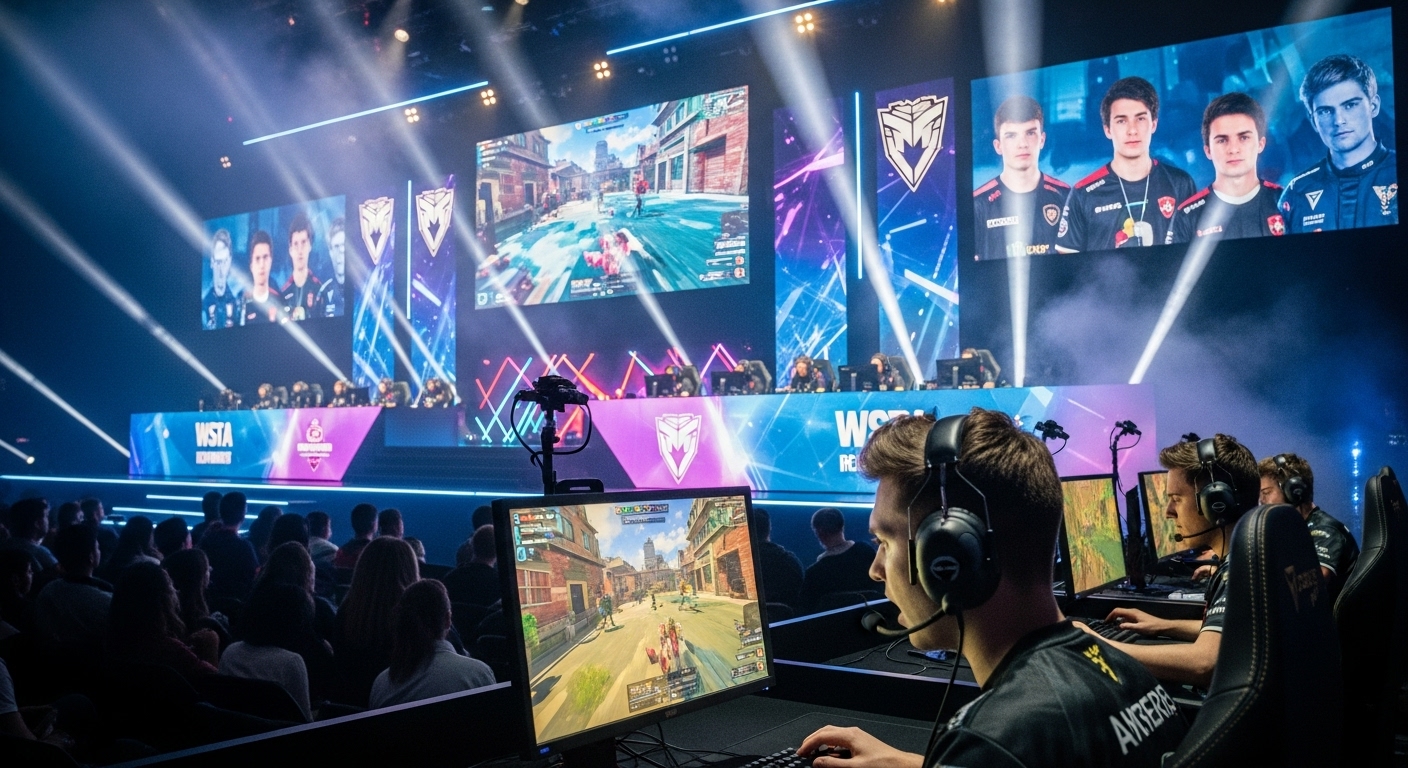
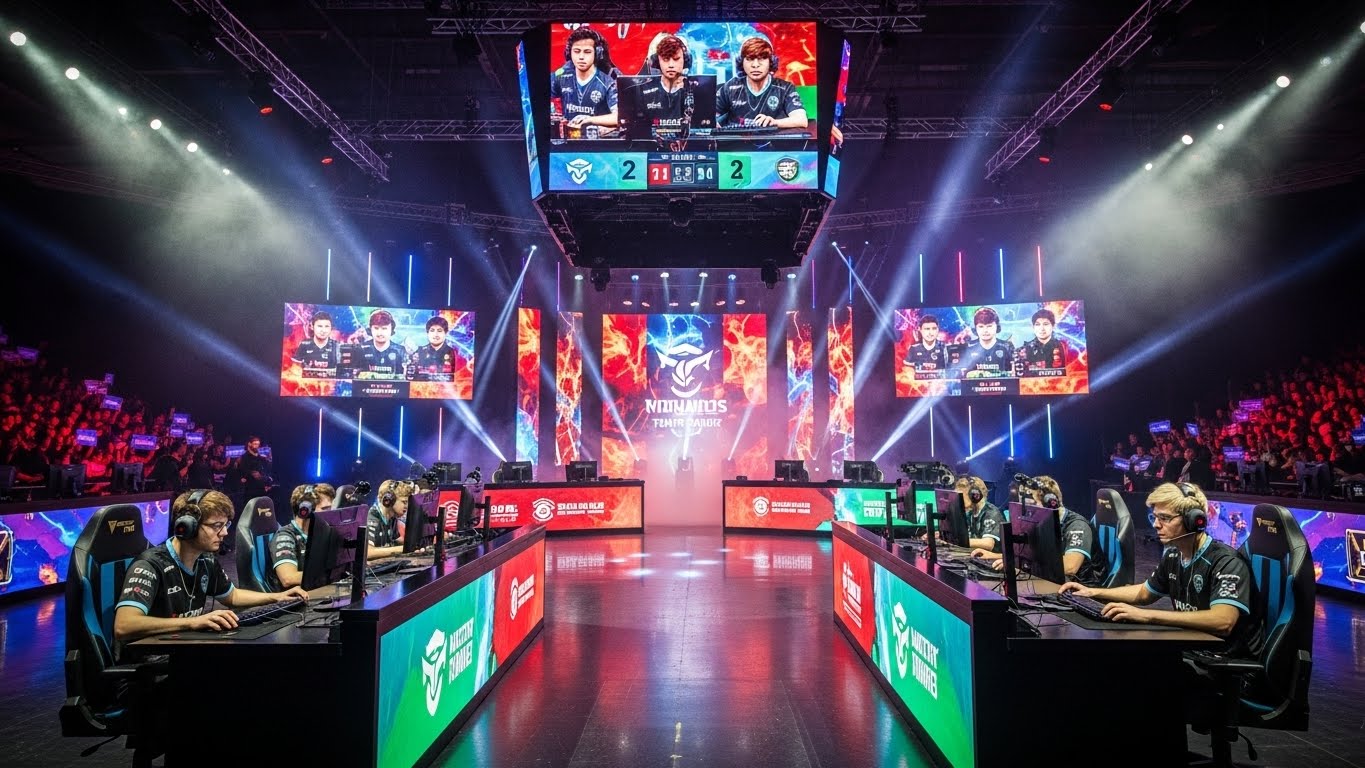
Esports, short for electronic sports, has emerged as one of the most influential and rapidly growing entertainment industries in the world. Once dismissed as a niche hobby or casual pastime, competitive gaming has evolved into a multi-billion-dollar global phenomenon, attracting professional players, massive audiences, and corporate sponsorships. Esports combines skill, strategy, teamwork, and mental endurance, transforming video games into legitimate competitive sports. Its rise reflects not only technological advancement but also changing cultural attitudes toward gaming as a serious and professional pursuit.
The Origins of Esports: From Arcades to Online Arenas
The history of esports dates back decades, beginning with arcade competitions in the 1970s and 1980s. Early tournaments focused on games like “Space Invaders” and “Pac-Man,” drawing small crowds of local players. As gaming technology advanced, multiplayer games became popular, and the internet allowed players to compete online, dramatically expanding the reach of competitive gaming.
By the late 1990s and early 2000s, esports began taking the shape we recognize today, with organized leagues, professional teams, and international tournaments. Titles such as “StarCraft,” “Counter-Strike,” and “Warcraft” became the foundation for competitive gaming culture. These early tournaments demonstrated that esports was not just entertainment—it was a serious platform where skill, strategy, and dedication mattered.
Modern Esports: A Global Phenomenon
Today, esports spans multiple genres, including first-person shooters, real-time strategy games, battle royales, and multiplayer online battle arenas. Popular titles like “League of Legends,” “Dota 2,” “Fortnite,” and “Call of Duty” attract millions of players and viewers worldwide. Esports tournaments are broadcasted to global audiences, with millions tuning in to watch live matches, following their favorite teams and players with the same enthusiasm traditionally reserved for professional sports.
The growth of esports is fueled by a digital-first generation that values interactivity and engagement. Unlike traditional sports, esports offers a direct connection between players and fans, allowing viewers to interact with streams, chat during live matches, and follow players’ strategies in real time.
Professionalization of Esports: Careers Beyond Playing
Esports has developed a professional ecosystem comparable to traditional sports. Top players train rigorously, often spending 8 to 12 hours a day practicing mechanics, teamwork, and strategy. Beyond the players, the industry supports coaches, analysts, commentators, event organizers, and content creators.
Sponsorship deals, brand endorsements, and tournament prize pools have elevated esports into a highly lucrative career path. Universities and colleges around the world are now offering esports scholarships, further legitimizing competitive gaming as a serious profession. The industry’s professionalization demonstrates that esports requires discipline, focus, and resilience, just like any other elite sport.
The Role of Technology in Esports
Technology underpins every aspect of esports. High-performance computers, gaming peripherals, fast internet connections, and advanced software make competitive play possible. Streaming technology allows audiences worldwide to watch events live, while sophisticated analytics tools help teams analyze performance, optimize strategies, and train more effectively.
Virtual reality, augmented reality, and cloud gaming are beginning to expand the possibilities of esports. These technologies promise new formats, immersive viewing experiences, and alternative methods of participation. Artificial intelligence is also being used for coaching, strategy simulations, and analyzing player performance, making esports a highly data-driven and tech-centric industry.
Mental Skills and Esports Performance
Success in esports requires more than fast reflexes and mechanical skill. Cognitive abilities, decision-making, strategic thinking, and mental resilience are critical. Players must process information quickly, anticipate opponents’ actions, and adapt under pressure.
Team-based esports emphasize communication, leadership, and coordination, while solo-focused games demand concentration, discipline, and personal accountability. The mental challenges of esports mirror those of traditional sports, with players needing psychological fortitude to maintain peak performance under stressful conditions.
Physical Health and Esports
While esports is primarily digital, physical health is essential for competitive players. Long hours of gameplay require proper ergonomics, exercise, nutrition, and rest to maintain focus and prevent injuries such as repetitive strain or eye fatigue. Many professional teams employ fitness trainers, nutritionists, and psychologists to support their players’ well-being, highlighting the holistic nature of esports training.
Physical conditioning enhances cognitive function, reaction times, and endurance, ensuring players can maintain high levels of performance during extended tournaments. The integration of physical and mental training underscores the complexity of esports as a professional endeavor.
Esports as a Cultural Phenomenon
Esports has grown into a significant cultural movement. It influences fashion, music, social media trends, and digital content creation. Streaming personalities, professional players, and esports organizations serve as role models and entertainers, attracting millions of followers and fans globally.
Community engagement is central to esports culture. Fans participate through streaming platforms, online discussions, fan art, cosplay, and live events. The social aspect of esports fosters connections across countries and cultures, creating a shared space where players and audiences celebrate skill, creativity, and competition.
Economic Impact of Esports
The economic footprint of esports is substantial. Revenue comes from tournament prize money, sponsorships, advertising, media rights, and merchandise. Major tournaments generate millions in revenue and create jobs for thousands of individuals, including players, coaches, media professionals, marketers, and event organizers.
Esports also stimulates related industries such as gaming hardware, software development, and streaming services. The economic growth of esports demonstrates its legitimacy as a major sector of the entertainment and sports industry, blending digital innovation with traditional business models.
Challenges in the Esports Industry
Despite its rapid growth, esports faces challenges. Player burnout, mental health concerns, and intense pressure are common issues for professional gamers. Ensuring fair play, addressing cheating or hacking, and maintaining competitive integrity remain ongoing challenges.
Inclusivity is another concern. Women, underrepresented groups, and players from developing regions often face barriers to entry and recognition. Addressing these challenges is critical to ensure that esports remains sustainable, inclusive, and respected worldwide.
The Future of Esports
The future of esports is filled with opportunities for innovation and expansion. Emerging technologies like virtual reality, augmented reality, and AI-driven game mechanics will create new formats and immersive experiences. Cross-platform competitions, hybrid events, and global collaborations are likely to increase, further legitimizing esports as a professional sport and entertainment medium.
The integration of esports into education, professional training, and mainstream media will continue to grow. Adaptive games and interactive streaming experiences will redefine engagement, allowing fans to participate in ways that go beyond traditional spectating. As esports evolves, it will continue to blur the lines between gaming, sports, and entertainment.
Conclusion: Esports as a Transformative Force
Esports has grown from modest beginnings into a global industry that combines competition, technology, culture, and entertainment. It requires skill, strategy, discipline, and mental resilience, establishing itself as a legitimate professional endeavor. Beyond the competitive arena, esports influences culture, connects communities, and drives economic growth, reflecting the changing landscape of modern entertainment.
As technology continues to advance and global audiences expand, esports will redefine what it means to compete, engage, and connect in the digital age. It is no longer just a game—it is a transformative force shaping the future of sports, entertainment, and culture worldwide.