Introduction: A New Era of Competition
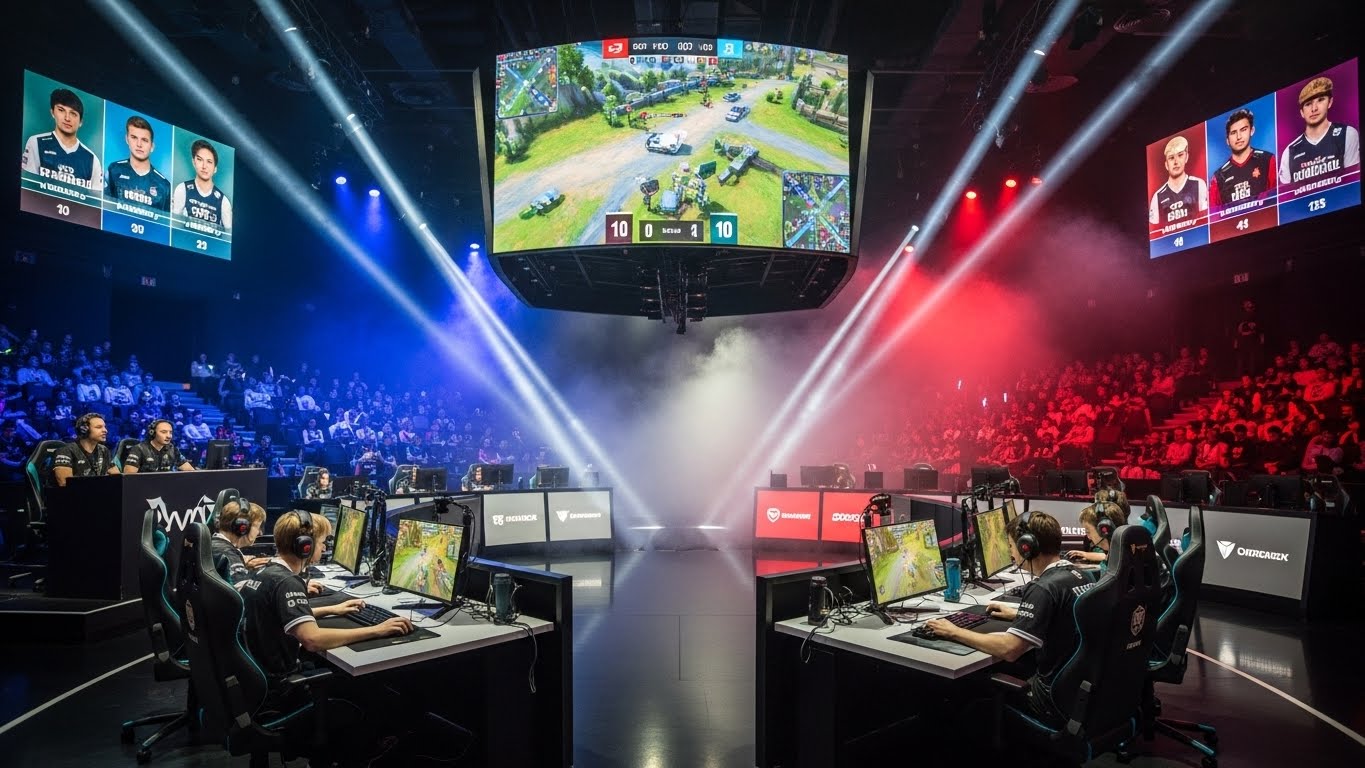
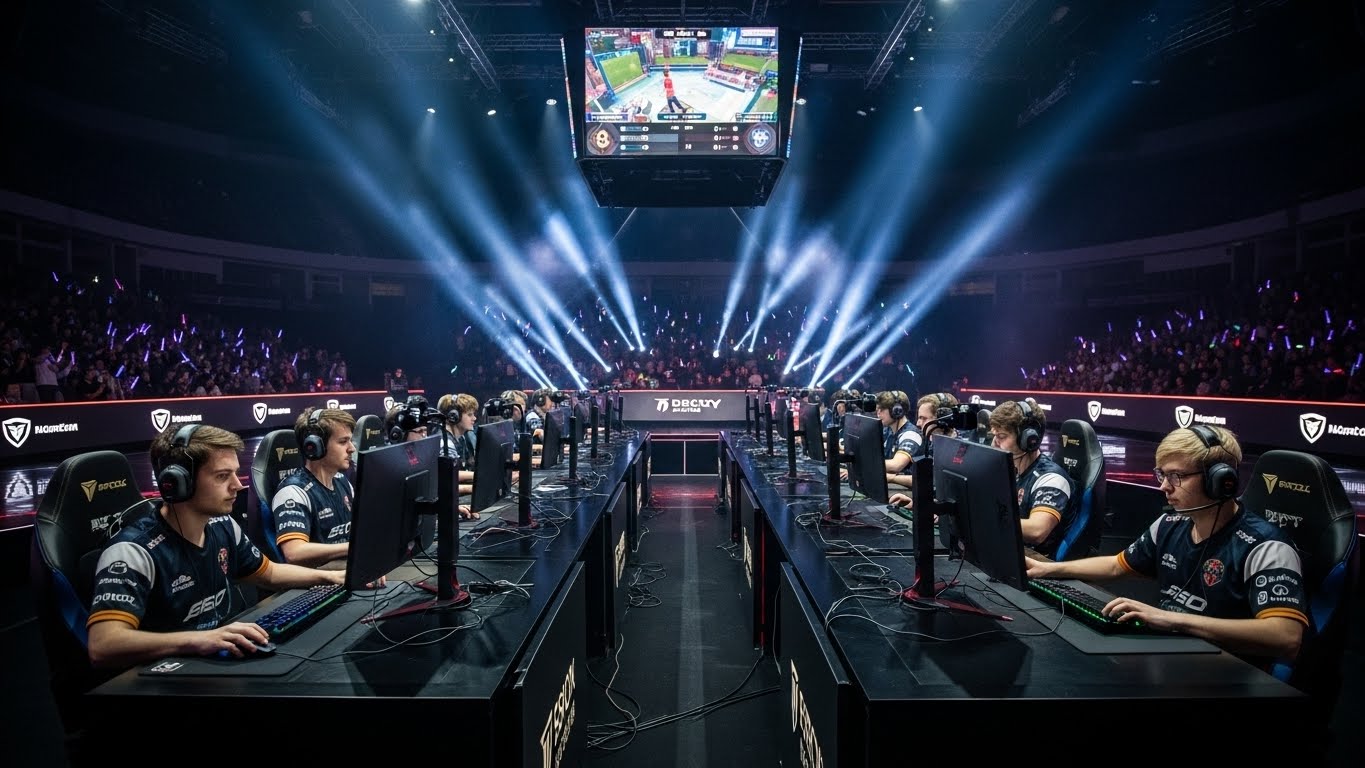
The world of competitive gaming has undergone a seismic shift over the past decade. What was once considered a niche hobby has transformed into a global phenomenon, captivating millions of players and spectators alike. Esports, short for electronic sports, is no longer a casual pastime but a professional arena where strategy, skill, and teamwork determine success. From local tournaments in small gaming cafes to international championships filling stadiums, esports has emerged as a legitimate form of entertainment and competition.
Unlike traditional sports, esports relies entirely on digital platforms, video games, and online communities. It has bridged the gap between technology and athleticism, redefining what it means to be a professional athlete. The rise of esports has not only created new career paths but also reshaped how society views competitive gaming. This blog explores the multifaceted world of esports, its cultural impact, the business ecosystem surrounding it, and the opportunities and challenges it presents.
Understanding Esports: Beyond Playing Games
At its core, esports involves organized, competitive video gaming. Players participate in tournaments across various genres, including multiplayer online battle arenas (MOBAs), first-person shooters (FPS), real-time strategy (RTS) games, and fighting games. Titles like League of Legends, Counter-Strike, Dota 2, and Fortnite have become household names due to their vibrant esports communities and high-profile tournaments.
Esports is not just about individual performance. It emphasizes teamwork, communication, and strategic planning, much like traditional team sports. Professional teams often dedicate years to practice, studying opponents, refining strategies, and improving reflexes and coordination. Unlike casual gaming, esports demands discipline, mental resilience, and a deep understanding of game mechanics. It is a competitive environment where milliseconds can determine victory or defeat, and where preparation off the screen is just as important as performance during gameplay.
The Growth of Esports: From Small Communities to Global Arenas
The growth of esports has been exponential. In the early 2000s, competitive gaming existed primarily online or in small local tournaments. Communities formed around niche games, with players communicating through forums and early social platforms. Over time, tournaments began to attract larger audiences, fueled by the rise of streaming platforms and online content creation. Today, major esports events fill arenas, attract millions of viewers online, and feature prize pools worth millions of dollars.
The accessibility of esports has contributed to its rapid expansion. Unlike traditional sports that require physical infrastructure and expensive equipment, esports can be played with a computer or console and an internet connection. This has democratized competition, allowing players from diverse backgrounds and regions to participate at a high level. Additionally, esports has cultivated a strong sense of community. Fans are not passive spectators; they actively engage with content, support teams, and even influence game development through feedback and participation.
Esports and Streaming: A Symbiotic Relationship
One cannot discuss esports without acknowledging the role of streaming platforms. Platforms like Twitch and YouTube Gaming have revolutionized the way audiences consume esports content. Live streams allow fans to watch professional players in real-time, interact through chat, and feel connected to the gaming community. Streamers have become influencers, shaping trends, building fanbases, and even inspiring aspiring esports professionals.
Streaming has also created new revenue models. Professional gamers and teams earn income through sponsorships, advertisements, and fan contributions. Tournaments often feature live broadcasts with commentary, providing entertainment similar to traditional sports broadcasts. This has elevated esports from a hobbyist pursuit to a full-fledged entertainment industry with a global audience. The fusion of streaming and esports has made competitive gaming more accessible, immersive, and commercially viable than ever before.
The Business of Esports: Investment and Sponsorship
The economic ecosystem of esports is vast and growing. Brands recognize the value of connecting with a young, tech-savvy audience and have invested heavily in sponsorships, advertising, and partnerships. Gaming peripherals, energy drinks, clothing brands, and even mainstream companies now sponsor esports teams and events. This financial influx has enabled esports organizations to offer competitive salaries, training facilities, and marketing support, professionalizing the industry.
Investors view esports as a lucrative market. Tournaments with high prize pools, merchandise sales, and media rights generate substantial revenue. Companies are also exploring new opportunities, such as esports-themed merchandise, in-game advertising, and virtual reality experiences. This commercial expansion not only sustains the industry but also creates new opportunities for players, content creators, event organizers, and marketers alike.
The Cultural Impact of Esports
Esports has profoundly influenced modern culture. It has normalized gaming as a legitimate career path and challenged stereotypes about gamers. Once dismissed as solitary or unproductive, professional gaming is now recognized for its strategic depth, teamwork, and competitive rigor. Esports has also fostered inclusivity, providing a platform for individuals from diverse backgrounds, genders, and regions to showcase their talent.
Furthermore, esports has influenced traditional media and entertainment. Celebrities, athletes, and musicians increasingly participate in esports events, while mainstream television networks have begun broadcasting tournaments. This cultural integration demonstrates the growing significance of esports beyond the gaming community, positioning it as a prominent aspect of global entertainment.
Training and Professionalism in Esports
Professional esports players undergo rigorous training routines. Much like traditional athletes, they maintain strict schedules that include practice sessions, physical exercise, strategy analysis, and mental conditioning. Reaction time, decision-making under pressure, and team coordination are critical skills honed through daily practice.
Coaches and analysts play an essential role in team performance. They review gameplay footage, analyze opponents’ strategies, and develop training regimens. Nutrition, sleep, and mental health are also prioritized, as sustained performance at high levels requires holistic care. This level of professionalism underscores the seriousness of esports and the dedication required to succeed at the highest level.
Challenges Facing the Esports Industry
Despite its rapid growth, esports faces several challenges. One significant issue is sustainability. While top-tier players earn substantial incomes, many aspiring professionals struggle to monetize their skills. Career longevity is also a concern, as intense schedules and high-pressure environments can lead to burnout.
Another challenge is regulation. Unlike traditional sports with governing bodies, esports is fragmented across multiple organizations, games, and regions. Establishing standardized rules, player contracts, and fair competition remains a work in progress. Additionally, the industry must address issues such as cheating, toxicity, and online harassment to ensure a positive and safe environment for players and fans.
The Future of Esports
The future of esports looks promising. Technological advancements such as virtual reality, augmented reality, and cloud gaming will continue to shape the industry. VR and AR can create immersive tournament experiences, while cloud gaming allows players to compete without high-end hardware. These innovations will make esports even more accessible and engaging.
Esports is also likely to expand into educational institutions. Schools and universities have begun offering esports programs, scholarships, and competitive leagues, recognizing gaming as a viable path for career development. This trend will further legitimize esports and provide structured opportunities for aspiring players.
Moreover, the integration of esports with mainstream entertainment, sports, and media will continue to blur the lines between digital and traditional competition. As audiences grow and technology evolves, esports will solidify its position as a global cultural and economic force.
Conclusion: Embracing the Esports Revolution
Esports is more than just competitive gaming—it is a social, cultural, and economic revolution. It has transformed how people perceive gaming, created new career paths, and built communities that transcend geographical boundaries. With a growing audience, increasing investment, and technological innovations on the horizon, esports is poised to become a permanent fixture in the landscape of modern entertainment.
The journey of esports from niche hobby to global phenomenon demonstrates the power of passion, technology, and human ingenuity. As the industry continues to evolve, one thing is certain: the world is no longer just watching sports on a field or court; it is watching them on screens, celebrating strategy, skill, and the thrill of digital competition.
Esports is here to stay, and its impact will continue to shape the future of entertainment, competition, and culture in ways that are both exciting and unprecedented.