
Introduction: The Digital Revolution of Competitive Play
In a world increasingly dominated by technology, competitive gaming has risen from the fringes of the gaming community to become a global spectacle. Once considered a niche activity for a select few, esports has evolved into a billion-dollar industry, attracting millions of fans, investors, and professional players. With tournaments streamed to millions of viewers worldwide, the world of esports is no longer just about playing video games; it’s about performance, strategy, and entertainment. As we look at how this phenomenon developed, it becomes clear that esports has changed the landscape of both gaming and sports, creating a new world of competition that transcends traditional physical boundaries.
What Is Esports: Defining the Digital Arena
At its core, esports refers to organized, multiplayer video game competitions, particularly between professional players, individually or as teams. Unlike casual gaming, esports involves high-level strategic thinking, extensive training, and intense competition. The games in the esports arena vary widely, ranging from real-time strategy games like StarCraft and Warcraft to first-person shooters like Counter-Strike and Overwatch, and multiplayer online battle arenas (MOBAs) like League of Legends and Dota 2. These games require not only a deep understanding of the game mechanics but also high levels of coordination, communication, and quick reflexes.
While some games focus on individual performances, many esports titles center around team-based strategies, where each player has a specific role to fill, much like a football team. The ultimate goal in these competitions is not just to “win” but to outsmart and outmaneuver the opponent through superior strategy and teamwork, creating an intellectual and tactical dimension to the competition.
Esports and Professionalism: From Hobby to Career
What separates esports from casual gaming is its professionalism. In the early days, players were amateurs who competed for fun or small prizes, but the professionalization of esports has rapidly transformed the scene. Today, esports is a legitimate career for thousands of players, coaches, analysts, and support staff. Just like in traditional sports, top-tier esports players dedicate hours each day to practice, improving their gameplay, analyzing opponents, and mastering their craft.
Esports organizations, much like sports teams, sign players to contracts, provide coaches, and create training regimens. Sponsors, including major companies in technology, energy drinks, and even traditional sports franchises, invest heavily in the esports ecosystem, funding teams, events, and infrastructure. These sponsorships, along with ticket sales, streaming revenue, and merchandise, have helped propel esports to the heights it enjoys today. The meteoric rise of esports as a profession is not just a testament to the appeal of gaming but also to the skill and dedication of its athletes.
Tournaments and Competitions: The Heart of Esports
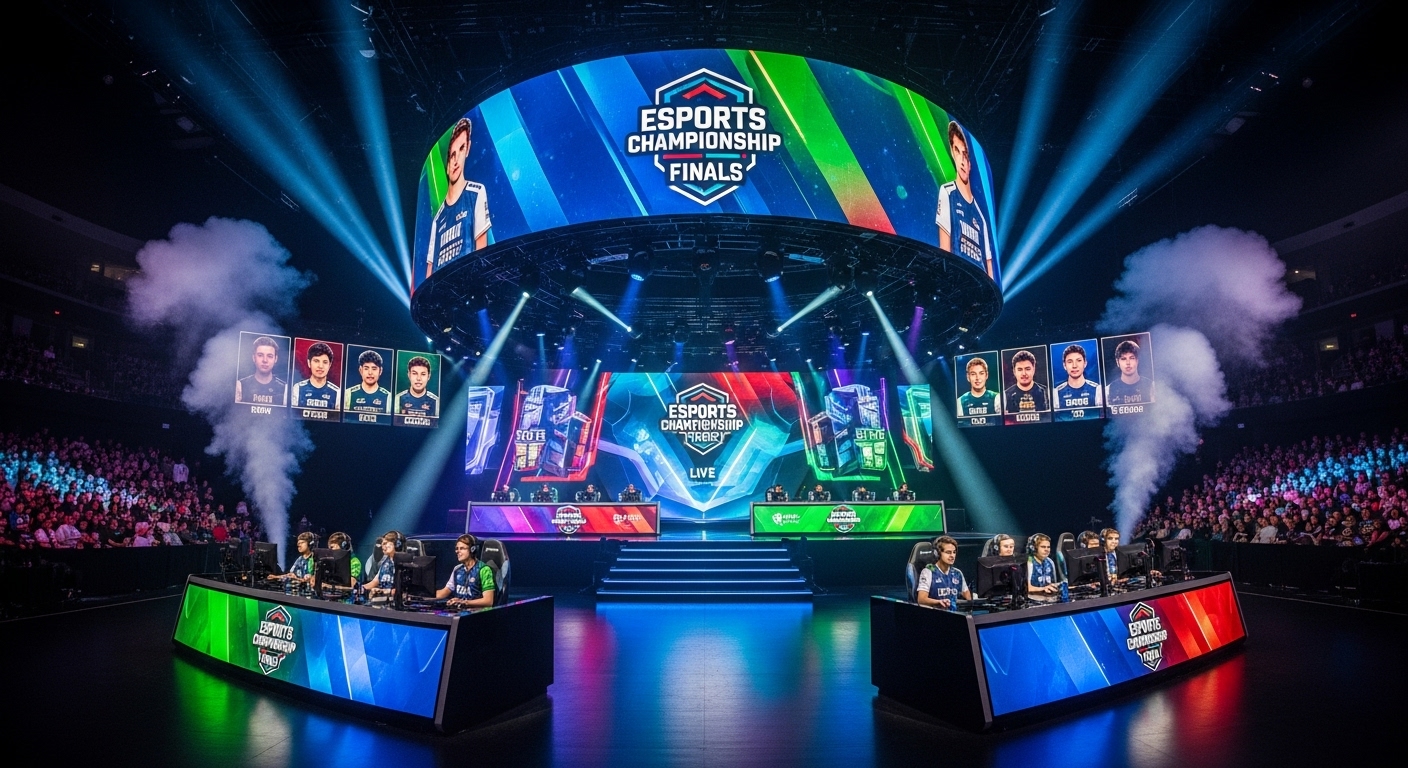
The real spectacle of esports comes from its tournaments. These events have grown into massive celebrations of skill, strategy, and community. The largest tournaments, such as The International for Dota 2 or the League of Legends World Championship, offer prize pools that rival those of traditional sports events, sometimes reaching tens of millions of dollars. Fans flock to these events not just for the thrill of watching their favorite players, but also for the electric atmosphere that these competitions create. The energy in the arenas is palpable, with fans cheering, chanting, and waving team flags as the action unfolds.
One key feature of these events is their global nature. Esports tournaments bring together players from all corners of the globe, creating a truly international community. Fans from different cultures can come together, united by a shared passion for the game. What makes these tournaments so captivating is the combination of strategy, personal skill, and a bit of unpredictability. As the stakes rise, the drama intensifies, leading to moments of tension and excitement that rival those in traditional sports.
Moreover, these tournaments are no longer confined to physical venues; online streaming has made esports accessible to anyone with an internet connection. Platforms like Twitch, YouTube, and Facebook Gaming have allowed fans to watch competitions live, sometimes with millions of viewers tuning in to see the action unfold. The rise of streaming has given esports an accessibility that traditional sports can’t match, allowing fans from all over the world to engage with the games in real-time.
The Role of Streaming: Changing the Way We Experience Sports
Streaming has become one of the defining elements of modern esports, bringing players and fans closer together than ever before. The ability to watch a live stream of an esports event, interact with the community, and communicate with the players themselves has transformed how people experience competitive gaming. Platforms like Twitch, YouTube, and Mixer have played a crucial role in the growth of esports, enabling millions of viewers to tune in to live broadcasts, engage with chatrooms, and support their favorite players.
Streaming has also allowed for a new breed of esports personalities. Many top-tier players, commentators, and streamers have cultivated large followings, earning sponsorship deals, income from subscribers and donations, and building personal brands. Streaming platforms have not only given professional players an outlet to connect with fans, but they’ve also created a new ecosystem for casual gamers and aspiring professionals to showcase their skills, receive feedback, and grow their audiences.
For fans, streaming offers an unparalleled level of access. Viewers can follow their favorite teams, watch practice sessions, and even interact with players during breaks. This transparency and real-time connection between players and their fanbase have helped solidify esports as a unique form of entertainment that blends sports, video games, and social media.
The Business Side of Esports: Revenue and Investment
Esports is big business. While the industry’s roots are in grassroots communities, its rise to prominence has led to a robust business model. Revenue streams for esports include sponsorship deals, advertising, media rights, ticket sales, merchandise, and streaming subscriptions. Major brands, including Coca-Cola, Intel, and Nike, sponsor top-tier teams and events, eager to connect with the highly engaged, tech-savvy audience that follows esports.
Additionally, media rights for esports tournaments are becoming increasingly valuable. Major broadcast networks, both traditional and digital, now pay substantial sums for the right to broadcast esports events. Platforms like ESPN and TNT have even begun to air esports competitions alongside more traditional sports, signaling the acceptance of esports in mainstream media. This shift is further supported by the popularity of esports streaming on platforms like Twitch and YouTube, where professional gamers and influencers earn revenue through ad revenue, donations, and subscription models.
The increase in investment in esports also means that teams and tournaments are more professional than ever. Major esports organizations, such as Cloud9, Team Liquid, and Fnatic, operate much like traditional sports franchises, managing player rosters, sponsorship deals, and strategic partnerships. This professionalization ensures that the industry continues to grow, providing greater opportunities for players, teams, and stakeholders alike.
Esports as a Global Cultural Phenomenon
Esports’ growth can’t just be measured in dollars or viewership. It’s also reshaping global culture in significant ways. Esports transcends national borders and unites people across different continents, languages, and backgrounds. What began as a hobby for a select group of enthusiasts has transformed into a global entertainment juggernaut that attracts people from all walks of life. The competitive spirit, sense of community, and shared passion for gaming have turned esports into a cultural force that goes beyond the games themselves.
Furthermore, esports has had a democratizing effect on gaming. Unlike traditional sports, which are often limited by physical or financial barriers, esports allows anyone with a computer or console to participate in competitive play. This has led to an influx of new talent and ideas, with players from a wide variety of countries and socio-economic backgrounds rising to prominence. Esports, in this sense, has created a level playing field where skill, dedication, and strategy are the true determining factors of success.
The Future of Esports: Where Is It Headed?
Looking to the future, the potential of esports seems boundless. With advancements in technology, esports is poised to grow even further. Virtual reality (VR) and augmented reality (AR) are beginning to make waves in the gaming world, and as these technologies improve, they could revolutionize the way esports is played and experienced. The immersive experience offered by VR and AR could provide a new dimension to competitive gaming, making it more interactive and engaging for both players and fans.
Moreover, the continued rise of mobile gaming is likely to open new avenues for esports growth. With more people around the world using smartphones as their primary gaming devices, mobile esports tournaments are becoming more common, allowing a broader range of people to compete at a high level.
In addition to technological advancements, esports is likely to become even more embedded in mainstream entertainment. Just as traditional sports have global leagues, sponsorships, and fan clubs, esports will continue to build out its infrastructure, creating new opportunities for players, fans, and businesses alike.
Conclusion: A New Era of Competitive Entertainment
Esports has firmly cemented its place as one of the most exciting and rapidly growing sectors in the entertainment world. What started as a niche hobby has evolved into a full-fledged industry, with professional players, global tournaments, and a passionate fanbase. The fusion of technology, skill, and entertainment has created a new form of competition that transcends physical boundaries and connects people from all over the world. As esports continues to grow, it will undoubtedly shape the future of entertainment, proving that competition, whether physical or digital, has the power to unite and inspire on a global scale.