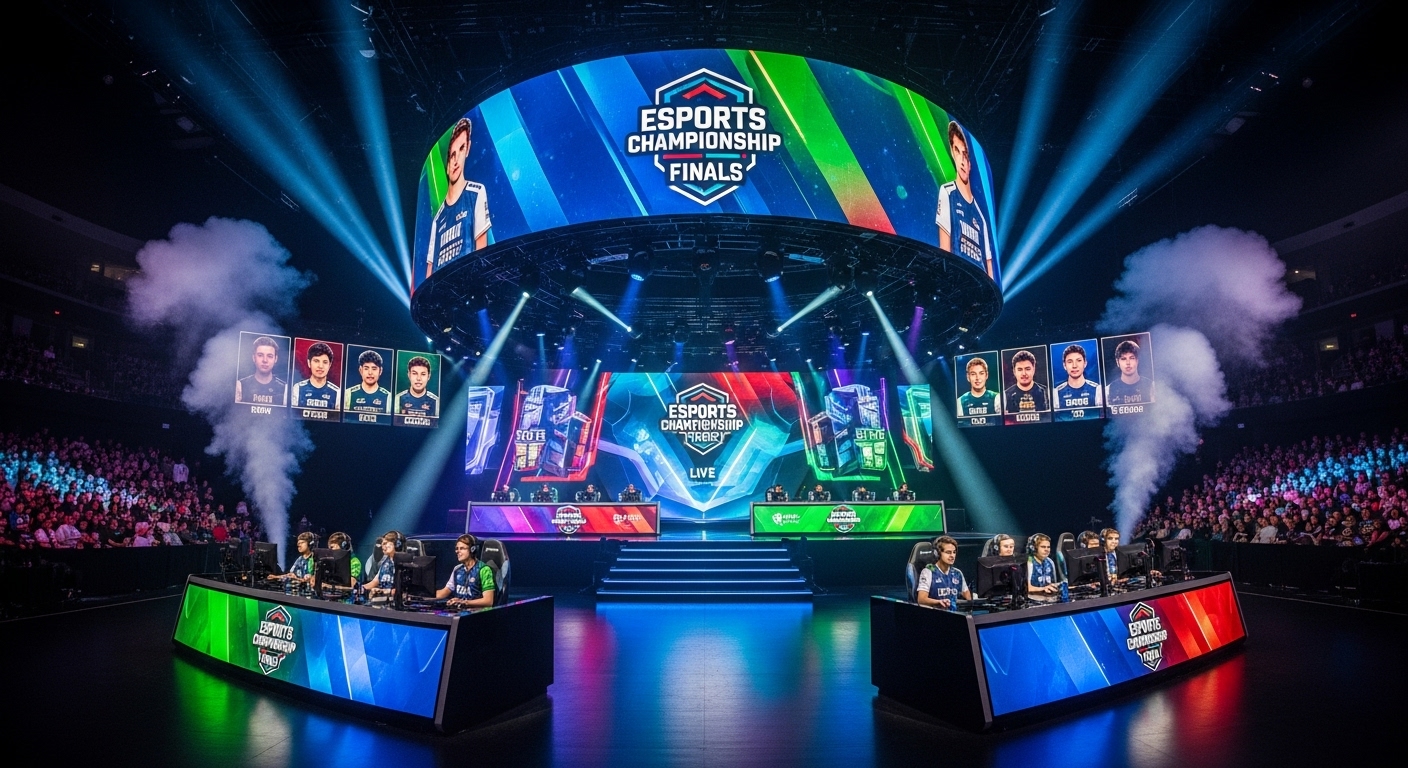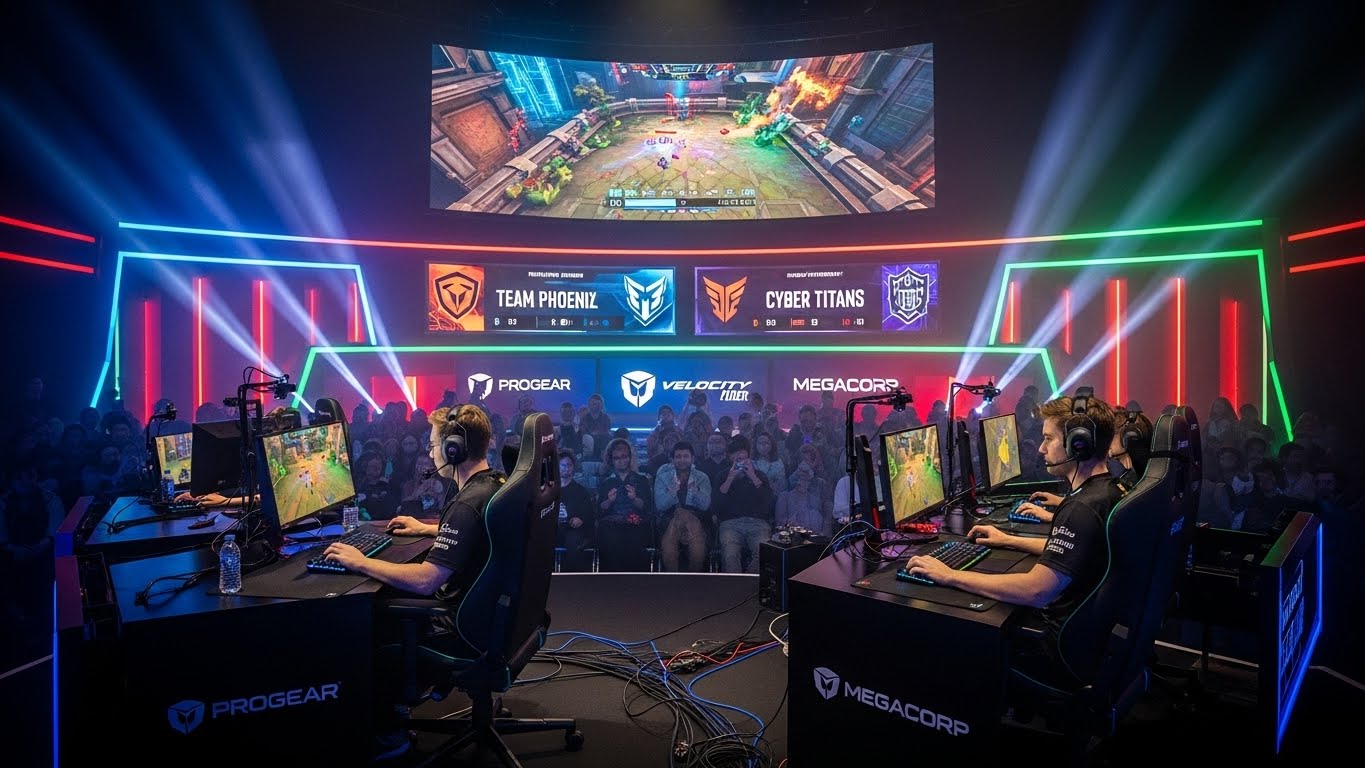

Esports, short for electronic sports, has transformed from a niche hobby into a global phenomenon that rivals traditional sports in popularity, revenue, and cultural impact. What began as casual gaming competitions among friends has now evolved into a multibillion-dollar industry with professional leagues, international tournaments, and millions of passionate fans. But esports is more than just video games. It is a cultural movement, a technological marvel, and a platform for personal and professional growth. In this blog, we explore the rise of esports, its impact on individuals and society, and the future of competitive gaming.
The Evolution of Esports
The roots of esports can be traced back to the early 1980s, when arcade competitions and early video game tournaments captured the attention of gaming enthusiasts. Classic games like Space Invaders and Pac-Man paved the way for organized competitions, but it wasn’t until the late 1990s and early 2000s that esports began to take its modern form. Games like StarCraft, Counter-Strike, and Warcraft III helped establish competitive gaming communities and set the stage for professional leagues.
The growth of the internet and streaming platforms in the 2010s accelerated esports exponentially. Platforms like Twitch and YouTube Gaming allowed players to broadcast their gameplay to a global audience, creating a new form of entertainment and fan engagement. Today, esports tournaments draw millions of viewers worldwide, offering substantial prize pools and sponsorships comparable to major traditional sporting events.
The Anatomy of an Esports Athlete
Esports athletes, often called pro gamers, are as dedicated and disciplined as traditional athletes. Contrary to the stereotype of casual gaming, professional esports players follow rigorous training schedules that include hours of practice, strategy development, and team coordination. Reflexes, hand-eye coordination, and strategic thinking are critical, but mental resilience and focus are equally essential.
Professional esports teams employ coaches, analysts, and psychologists to optimize performance. Nutrition, sleep, and physical fitness are carefully monitored, demonstrating that esports demands holistic preparation. Many players treat their careers like traditional sports careers, retiring after a peak competitive age but often transitioning into coaching, streaming, or content creation.
The Competitive Landscape of Esports
Esports encompasses a wide range of game genres, each with unique dynamics and communities. Multiplayer online battle arena (MOBA) games like League of Legends and Dota 2 emphasize team coordination and strategy. First-person shooters (FPS) such as Counter-Strike: Global Offensive and Call of Duty require precision, reflexes, and split-second decision-making. Battle royale games like Fortnite and Apex Legends combine strategy, survival instincts, and adaptability.
The competitive ecosystem includes local tournaments, regional leagues, and international championships. Events like the League of Legends World Championship, Dota 2’s The International, and Fortnite World Cup attract millions of viewers, with prize pools sometimes exceeding tens of millions of dollars. Sponsorships from tech companies, apparel brands, and energy drink companies further highlight esports’ mainstream appeal and financial viability.
Esports and Community Building
One of the most remarkable aspects of esports is its ability to build communities. Online gaming platforms, forums, and streaming services allow players and fans to connect across continents, sharing experiences, strategies, and enthusiasm. Esports communities often extend beyond the game itself, encompassing social interaction, fan art, discussion groups, and charity events.
Esports also fosters inclusivity. Unlike many traditional sports, which can be limited by physical ability or geographic location, esports allows participants of all genders, ages, and backgrounds to compete on a level playing field. This democratization has helped create diverse, global communities united by a shared passion for gaming.
The Mental and Cognitive Benefits of Esports
While esports is often criticized for sedentary lifestyles, research has highlighted numerous cognitive and mental benefits of competitive gaming. Esports players develop advanced problem-solving skills, strategic thinking, and multitasking abilities. Fast-paced games improve reaction times, spatial awareness, and pattern recognition.
Team-based games promote collaboration, communication, and leadership skills. Players learn to make quick decisions under pressure, analyze opponents’ strategies, and adapt to constantly changing scenarios. For younger players, esports can enhance digital literacy and technological skills, preparing them for future careers in an increasingly digital world.
The Business of Esports
Esports has become a thriving industry with multiple revenue streams. Sponsorships, advertising, merchandising, ticket sales for live events, and media rights contribute significantly to the sector’s growth. Major corporations, including technology brands and traditional sports franchises, have invested in esports teams and tournaments, recognizing its marketing potential and cultural influence.
Streaming platforms also play a crucial role in monetization. Content creators, professional players, and influencers generate revenue through subscriptions, donations, and ad placements. The rise of esports betting and fantasy esports leagues further illustrates the commercialization and mainstream integration of competitive gaming.
Esports Education and Career Opportunities
Esports has created new career paths beyond professional gaming. Universities and colleges now offer esports scholarships and programs, training students in game design, event management, broadcasting, and marketing. Esports journalism, commentary, and content creation have emerged as viable professions, highlighting the industry’s interdisciplinary opportunities.
Career opportunities extend to coaching, data analysis, and team management. Analysts study gameplay data to identify patterns, optimize strategies, and improve performance. Event organizers manage large-scale tournaments, ensuring smooth logistics, security, and audience engagement. As esports continues to grow, the demand for skilled professionals in multiple domains will expand, making it a promising industry for the future.
Challenges in Esports
Despite its rapid growth, esports faces several challenges. Mental health and burnout are significant concerns, as players often endure long hours of practice and intense competition. The pressure to perform consistently at a high level can lead to stress, anxiety, and other psychological issues.
Cheating, hacking, and unfair play also pose threats to the integrity of esports. Tournament organizers invest heavily in anti-cheat technology, player monitoring, and fair play regulations to maintain credibility. Additionally, gender disparity remains an issue, with women underrepresented in professional leagues and often facing harassment. Addressing these challenges is crucial for sustaining growth and promoting inclusivity in esports.
The Cultural Impact of Esports
Esports has not only transformed gaming but also influenced popular culture. Streamers and esports celebrities enjoy massive followings, shaping fashion, music, and lifestyle trends. Memes, catchphrases, and game-related content permeate social media, contributing to a shared cultural experience.
Esports also bridges the gap between entertainment and education. Many players learn history, geography, and critical thinking through game mechanics and storylines. Additionally, esports has inspired creativity, with fan art, cosplay, and content creation becoming integral parts of the gaming ecosystem.
The Future of Esports
The future of esports is poised for continued growth and innovation. Advances in virtual reality, augmented reality, and cloud gaming promise to enhance immersive experiences, blurring the lines between physical and digital competition. Esports is likely to become even more integrated with mainstream media, traditional sports, and education.
International recognition is also on the horizon. Esports has already been included as a demonstration sport in multi-sport events, and efforts are underway to include it in the Olympics. As acceptance grows, esports could redefine what it means to be an athlete in the digital age.
Conclusion: More Than Just a Game
Esports is far more than a pastime; it is a transformative force reshaping entertainment, community, and professional opportunities. It combines skill, strategy, and creativity while fostering social connections and cultural exchange. From enhancing cognitive abilities to providing career paths and global recognition, esports represents a new frontier in human competition and collaboration.
As the industry continues to grow, the impact of esports will extend beyond screens, influencing education, media, and society in unprecedented ways. For players, fans, and entrepreneurs alike, esports is not just a game—it is a movement that redefines how we compete, connect, and celebrate human potential.