Introduction: A Digital Revolution in Sports
In the past few decades, the world of sports has undergone a profound transformation. No longer confined to physical fields, courts, or stadiums, competition has expanded into a digital realm. Esports, or electronic sports, has emerged as a legitimate form of competition that blends skill, strategy, and technology. Once dismissed as a hobby for teenagers, esports now commands massive audiences, generates significant revenue, and provides professional opportunities for players worldwide. Its rise represents a shift in how society perceives competition, athleticism, and entertainment. In this landscape, games are no longer just games—they are arenas where careers are built, communities are formed, and legacies are forged.
The Early Days: From Arcade Games to Competitive Play
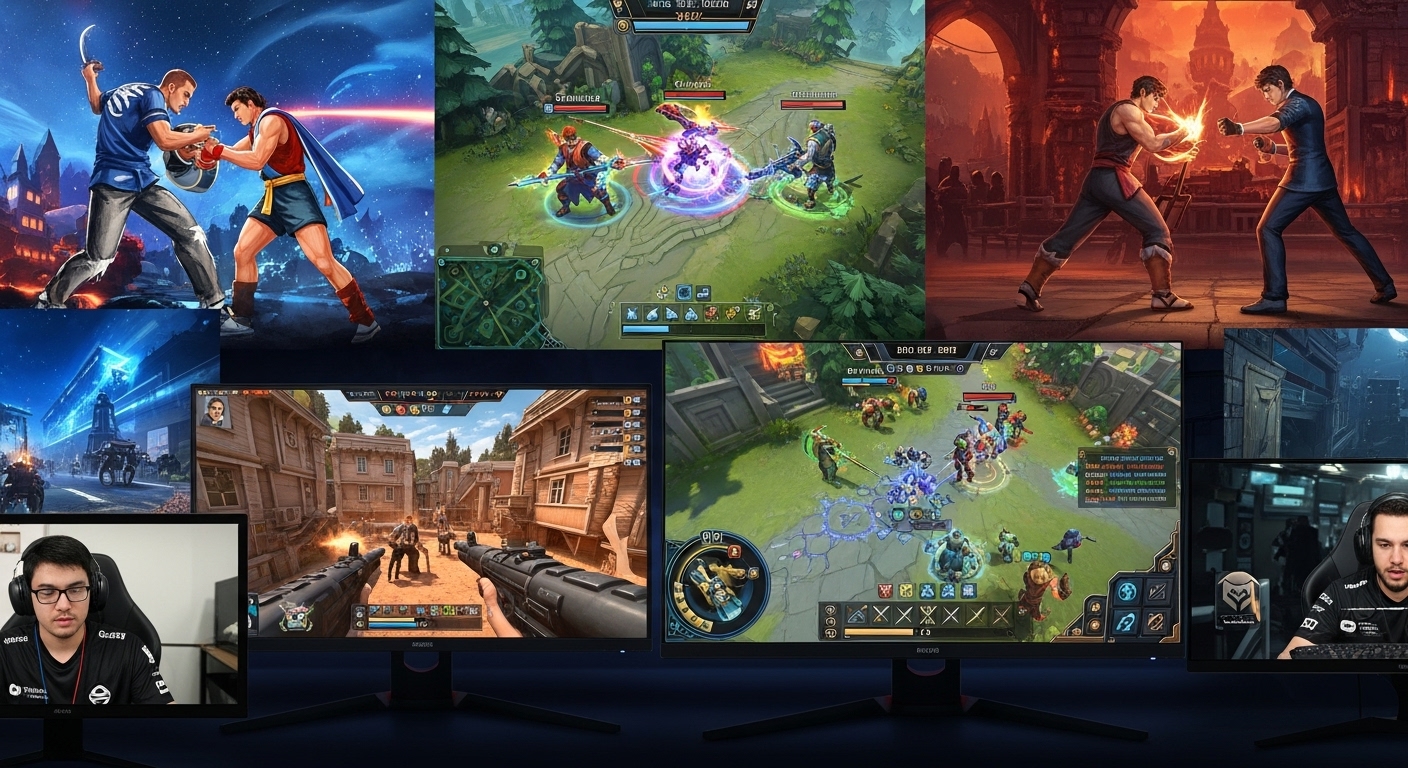
The roots of esports trace back to the early days of video gaming. In the 1980s, arcade cabinets offered players the chance to compete for high scores, creating the first form of organized gaming competition. Titles like Space Invaders and Pac-Man introduced players to the thrill of achieving mastery in a shared competitive environment. By the 1990s, gaming had migrated into homes with the rise of personal computers and consoles. Games such as Street Fighter, Mortal Kombat, and Counter-Strike became central to local tournaments, often hosted in small community centers or by gaming clubs. The spread of the internet transformed this dynamic, allowing players to compete against opponents from different cities or even countries. South Korea played a particularly pivotal role in the growth of esports during this period, establishing professional leagues for games like StarCraft and creating the template for professional esports infrastructure.
The Mainstream Emergence: Streaming and Spectatorship
The 2010s marked a turning point for esports, as it transitioned from niche hobby to mainstream phenomenon. Streaming platforms such as Twitch and YouTube Gaming allowed audiences to watch live competitive play, democratizing access to the action. Fans could now follow professional gamers in real time, interact via live chats, and develop deep connections with teams and players. Popular titles such as League of Legends, Dota 2, and Counter-Strike: Global Offensive became cornerstones of the esports scene. International tournaments drew audiences rivaling traditional sporting events, with prize pools reaching into the tens of millions. This surge in visibility attracted major sponsorships from companies previously focused on traditional sports, solidifying esports as a commercially viable industry. The mainstream acceptance of esports also began to challenge old stereotypes, as viewers increasingly recognized the mental acuity, reflexes, and teamwork required to succeed at the highest level.
The Players: Athletes of the Digital Age
Professional esports players are often compared to traditional athletes, and the comparison is apt. Success in esports demands intense focus, rapid decision-making, and physical coordination, particularly in games requiring precision and fast reflexes. Players typically begin training in their early teens and dedicate hours each day to refining their skills. Many organizations now provide structured support systems that mirror traditional sports, including coaches, analysts, nutritionists, and mental health professionals. These systems aim to enhance performance, prevent burnout, and extend careers in a field where peak performance often occurs at a young age. Despite the challenges, top-tier esports athletes can earn substantial incomes through tournament winnings, sponsorships, and streaming, making gaming not just a pastime but a viable professional path. The discipline, strategy, and teamwork demonstrated by these players highlight the evolving definition of athleticism in the modern age.
The Games: Diverse Arenas of Competition
Esports is defined not by a single game, but by an entire ecosystem of competitive titles. Multiplayer Online Battle Arena games, or MOBAs, like League of Legends and Dota 2 emphasize strategy, coordination, and teamwork. First-Person Shooters, including Counter-Strike, Valorant, and Call of Duty, demand precision, reflexes, and tactical thinking. Battle Royale games such as Fortnite and Apex Legends combine survival skills with adaptability, appealing to a new generation of players. Sports simulation games like FIFA and NBA 2K merge traditional athletic concepts with digital competition, allowing fans to engage with their favorite sports in innovative ways. Each game fosters its own professional circuits, fan communities, and tournament structures, ensuring that esports is a multifaceted and inclusive form of entertainment. The variety of games also allows players to specialize in genres that align with their skills, creating a rich and diverse competitive landscape.
The Fans: A Global Community
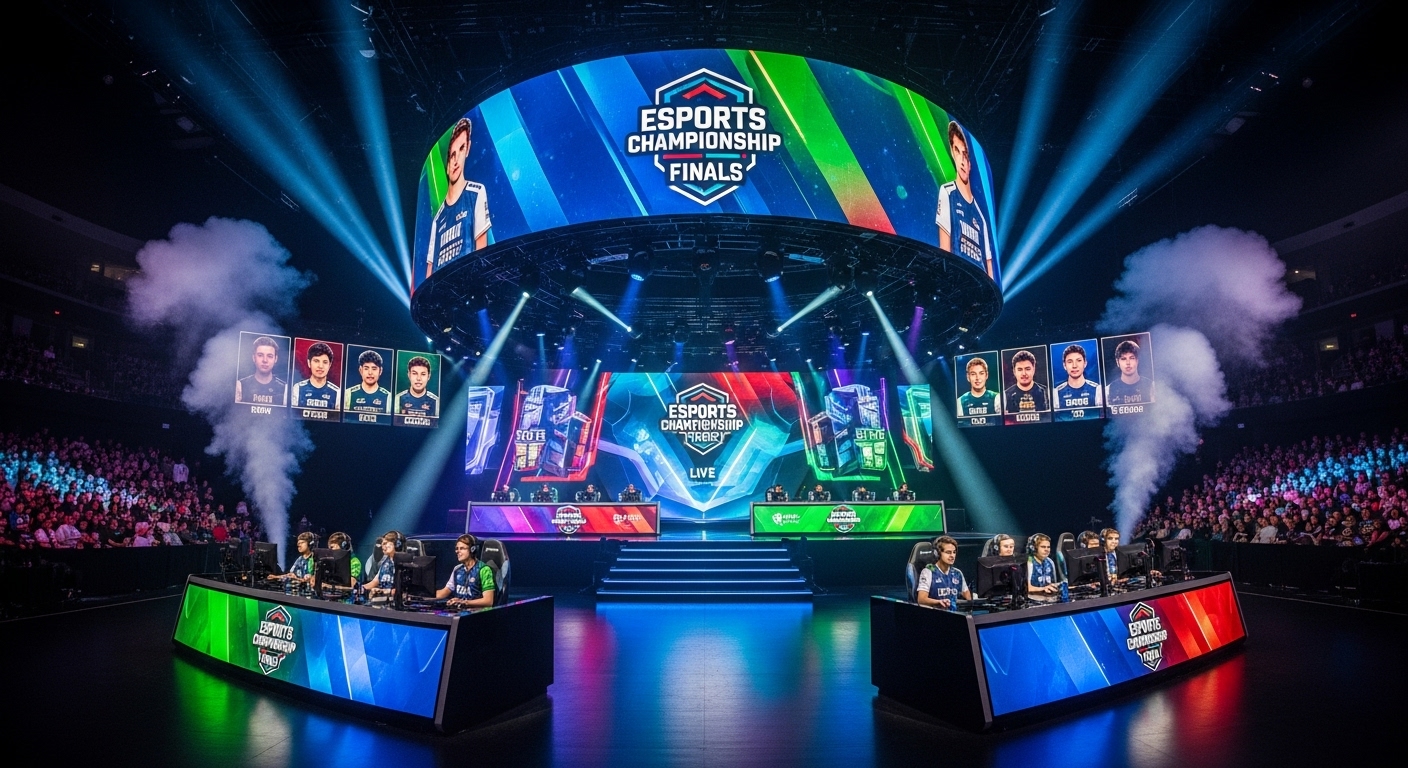
Esports has cultivated one of the most engaged and passionate fan communities in modern entertainment. Unlike traditional sports, esports fans are not restricted by geography or national boundaries. Online platforms allow viewers from all over the world to watch matches, follow players, and interact with other fans. The culture is participatory, with many fans actively playing games, discussing strategies, and sharing content. Social media and streaming platforms foster a sense of belonging, making spectators an integral part of the ecosystem rather than passive observers. Major tournaments, including ESL One, DreamHack, and the League of Legends World Championship, attract massive audiences both online and in person. These events create communal experiences that rival traditional sporting spectacles, blending entertainment, competition, and social interaction into a unique cultural phenomenon.
The Industry: A Billion-Dollar Enterprise
Esports is now a global business powerhouse. Revenue streams include tournament prize money, sponsorships, media rights, merchandise, and ticket sales. Major corporations have recognized the potential of this rapidly growing market and have invested heavily in teams, events, and digital platforms. Traditional sports organizations have also entered the arena, establishing esports divisions to tap into younger, digitally connected audiences. Universities and educational institutions have begun offering scholarships for esports athletes, acknowledging gaming as a legitimate pathway to professional success. The commercialization of esports mirrors the structures found in traditional sports leagues, with franchises, professional contracts, and dedicated media coverage. Its growth demonstrates the evolving nature of entertainment consumption, highlighting the increasing value of online engagement and digital communities.
The Culture: Redefining Competition and Identity
Esports is more than just a competitive pursuit; it is a cultural movement that shapes identity, creativity, and social interaction. Streamers and professional players have become cultural icons, influencing fashion, language, and entertainment trends. Events are meticulously produced, blending live performance, commentary, and storytelling to engage audiences beyond the games themselves. The culture surrounding esports is highly inclusive, welcoming individuals from diverse backgrounds and offering alternative career paths in content creation, broadcasting, event management, and game design. This cultural impact has also influenced educational and professional paradigms, encouraging critical thinking, strategic planning, and collaboration. Esports represents a new model of success and recognition, one that challenges traditional notions of sports, celebrity, and community.
Challenges: Navigating a Rapidly Growing Industry
Despite its growth, esports faces several challenges. One significant issue is the lingering perception that gaming is not a legitimate sport. Critics emphasize the lack of physical exertion, overlooking the mental agility, reflexes, and teamwork required at the professional level. Player well-being is another concern, as young competitors often face stress, long hours, and burnout. Industry integrity, including issues such as cheating, match-fixing, and toxic behavior, must be addressed to ensure sustainability and credibility. Additionally, standardizing regulations across leagues and tournaments is essential to protect players and maintain fairness. Overcoming these challenges is crucial for esports to mature as a professional, global industry and to maintain its growing audience and cultural significance.
The Future: Innovation and Global Integration
The future of esports is poised for even greater expansion. Advances in technology, including virtual reality, artificial intelligence, and faster internet speeds, promise more immersive and interactive experiences for players and fans. Esports is increasingly integrated into educational programs, teaching skills such as strategic thinking, teamwork, and digital literacy. Its recognition in multi-sport events like the Asian Games signals growing legitimacy, and discussions continue around potential inclusion in future global sporting events. The line between traditional and digital sports will continue to blur, creating hybrid experiences that engage audiences in new ways. As esports evolves, it will remain a driver of innovation, culture, and community in the global entertainment landscape.
Conclusion: The Enduring Impact of Esports
Esports has evolved from a niche hobby into a powerful cultural and economic force. It redefines competition, offering new opportunities for players, fans, and organizations alike. The industry demonstrates that athleticism is not confined to physical activity but can also thrive in digital arenas where skill, strategy, and mental agility are paramount. Esports bridges communities across the globe, providing shared experiences and shaping a generation of fans and professionals who see gaming as more than entertainment—it is a lifestyle, a career, and a form of expression. As the digital age continues to reshape our world, esports stands as a testament to human creativity, resilience, and the limitless possibilities of competition