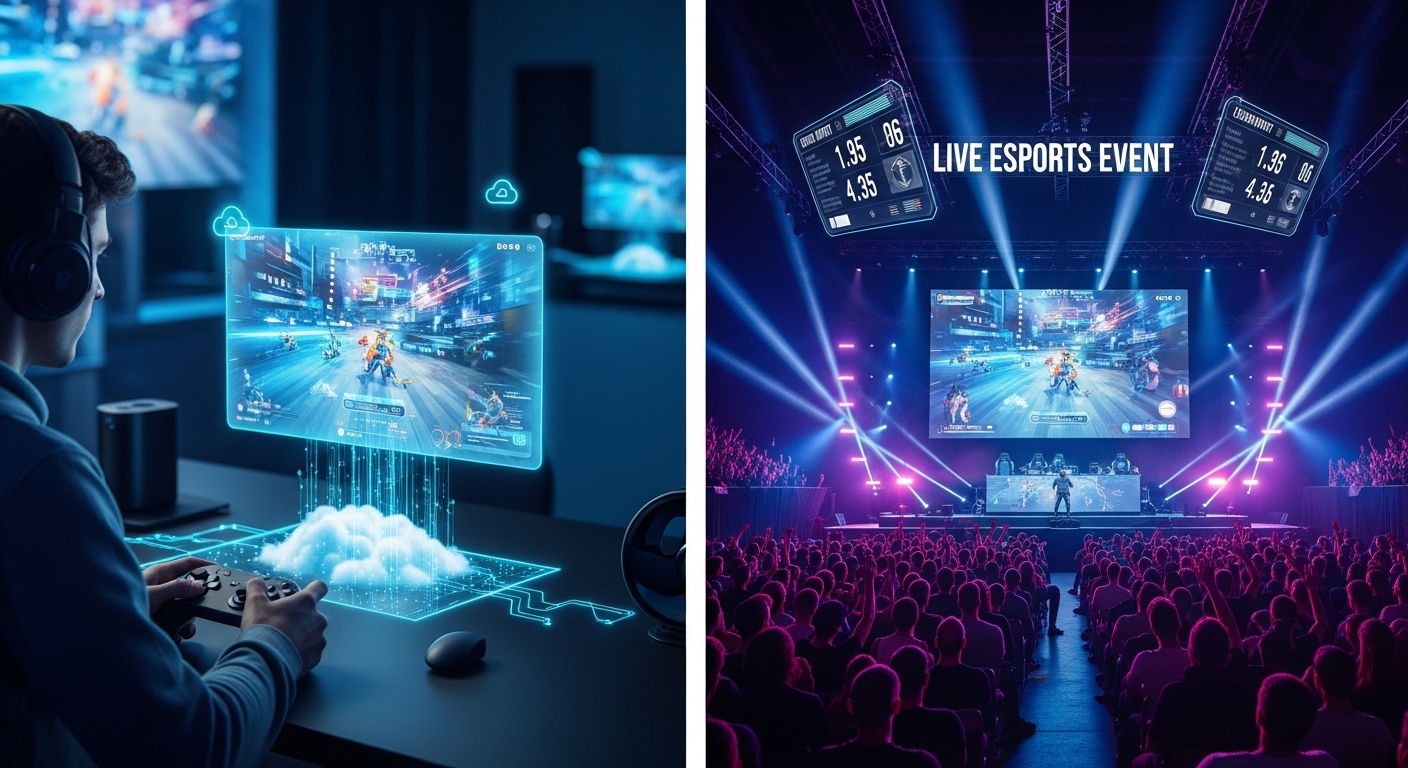
Esports has transformed from a grassroots hobby into a multi-billion-dollar global industry. With millions of fans tuning in to live events, stadiums packed with spectators, and professional players becoming household names, it is no surprise that brands are pouring money into the scene. Sponsorships are the lifeblood of esports, fueling teams, tournaments, and leagues. But the big question is: who is actually investing, and why are they choosing esports as their platform?
This blog takes a deep dive into the world of esports sponsorships, examining the categories of investors, highlighting notable examples, and analyzing the trends that shape the sponsorship landscape today.
Why Brands Are Drawn to Esports
Esports offers something that traditional sports and media cannot always deliver: direct access to younger, highly engaged digital audiences.
- Demographics: The majority of esports fans fall between 16 and 35 years old, an age group that advertisers often struggle to reach through television or print media.
- Engagement: Esports fans don’t just watch; they interact. They participate in chats, follow players on social media, and buy merchandise linked to their favorite teams.
- Global Reach: From North America to Asia, esports is a worldwide phenomenon. A single tournament can attract millions of viewers across multiple continents.
- Content Opportunities: Unlike traditional sports, esports has a constant flow of online content. Teams, streamers, and leagues generate video, highlights, and behind-the-scenes footage that brands can integrate into.
For these reasons, sponsorships are not just about slapping a logo on a jersey. They are about becoming part of a cultural movement.
The Categories of Esports Sponsors
Not all sponsors are alike. Some come from within the gaming industry, while others are far removed from gaming altogether but see esports as the perfect entry point to reach a younger demographic.
1. Endemic Gaming Brands
Endemic brands are companies whose products are directly tied to gaming. These include hardware manufacturers, peripheral makers, and software companies. Think of companies that make graphics cards, gaming chairs, keyboards, headsets, and high-refresh-rate monitors.
- Why they invest: Their products are essential to the gaming experience, so sponsoring esports gives them direct access to their target market.
- How they activate: Product giveaways, co-branded peripherals, naming rights to esports arenas, and player sponsorships.
- Examples: Partnerships involving gaming laptops, mouse manufacturers, and high-performance processors that directly equip professional players.
Endemic sponsors are often considered the backbone of esports because they provide both financial support and the tools players need to compete.
2. Beverage and Energy Drink Companies
Energy drinks and sodas were among the first non-gaming companies to jump into esports, and they remain some of the most visible.
- Why they invest: Their brand message aligns with the lifestyle of gamers: energy, endurance, and focus.
- How they activate: Logo placements on jerseys, branded content campaigns, tournament sponsorships, and influencer-led promotions.
- Examples: Global energy drink giants have created entire esports teams, hosted branded tournaments, and supported grassroots events to establish themselves as part of gaming culture.
This category has set the gold standard for long-term, creative activations in esports.
3. Non-Endemic Consumer Brands
Non-endemic brands are companies that have no direct connection to gaming but see esports as an opportunity to expand into new markets. This includes industries like finance, automotive, food, fashion, and telecom.
- Why they invest: Esports offers them access to a hard-to-reach audience that doesn’t watch much traditional media.
- How they activate: Vehicle companies showcase new models at esports events; financial institutions promote digital payment apps; fast-food brands create limited-edition meal bundles tied to teams.
- Examples: Luxury fashion labels have launched esports-inspired collections, while automotive brands have partnered with esports leagues to sponsor tournaments.
This group has grown rapidly in recent years and is proof that esports is no longer niche but mainstream.
4. Media and Streaming Platforms
Esports is built on streaming, so platforms that host content naturally invest in sponsorships.
- Why they invest: Exclusive broadcasting rights attract viewers, subscriptions, and ad revenue.
- How they activate: By sponsoring entire leagues, producing original esports shows, or partnering with teams to create exclusive behind-the-scenes documentaries.
- Examples: Streaming platforms host major global events and compete for exclusive broadcast rights to tournaments.
This group doesn’t just sponsor esports; they are part of its infrastructure.
5. Betting and Gambling Companies
Although sometimes controversial, betting companies have become key sponsors in the esports space.
- Why they invest: Esports betting is a growing industry, and sponsoring teams or leagues provides direct access to bettors.
- How they activate: In-stream advertising, team sponsorships, and branded betting platforms tied to tournaments.
- Challenges: Regulatory barriers exist, and betting sponsorships require strict compliance to maintain integrity.
Despite the challenges, betting sponsorships can bring in significant revenue for teams and organizers.
6. Investors and Private Equity
While not sponsors in the traditional sense, private investors, venture capitalists, and sports franchise owners are pouring money into esports organizations.
- Why they invest: They see esports as the future of entertainment and a way to diversify their portfolios.
- Impact on sponsorships: These investors professionalize organizations, making them more attractive to corporate sponsors by providing better infrastructure, content production, and global branding.
Investment at this level elevates esports into a more polished, corporate-friendly space.
Types of Sponsorship Deals
Sponsorships can take many forms, each with its own purpose and value.
- Jersey Sponsorships: Classic logo placement on team uniforms.
- Title Sponsorships: Naming rights for leagues, tournaments, or arenas.
- Category Exclusivity: A brand becomes the exclusive partner in its sector (e.g., “official automotive sponsor”).
- Content Partnerships: Brands collaborate on video series, livestreams, or documentaries.
- Product Collaborations: Limited-edition co-branded merchandise or gear.
- Player Sponsorships: Individual players become ambassadors, wearing or showcasing products during streams.
- In-Game Integrations: Branded overlays, virtual items, or sponsored game objectives.
The most successful sponsorships are not about visibility alone but about integration into the fan experience.
What Sponsors Look for in Esports
For brands, esports partnerships are serious business. Before investing, sponsors evaluate:
- Audience demographics: Does the team or league align with the sponsor’s target market?
- Engagement levels: How loyal and interactive is the fan base?
- Content production: Can the team deliver consistent, high-quality content?
- Professionalism: Does the organization operate with the same reliability as traditional sports teams?
- Analytics and reporting: Can the sponsor measure ROI through metrics like impressions, conversions, and sales?
The more professional and transparent a team is, the more likely it is to land big deals.
Key Trends in Esports Sponsorships
Sponsorship in esports is constantly evolving. Here are the trends shaping 2025:
1. Data-Driven Measurement
Sponsors now demand proof of ROI. Teams must provide viewership analytics, social engagement stats, and sales reports linked to sponsorship campaigns.
2. Creator-First Partnerships
Brands increasingly bypass leagues to work directly with streamers and content creators. Influencers have massive reach and more authentic connections with fans.
3. Regional Sponsorship Growth
In markets like Southeast Asia, India, and Latin America, mobile gaming dominates. Local brands, especially smartphone makers and telecoms, are stepping in as sponsors.
4. Mainstream Adoption by Non-Endemic Brands
As esports continues to grow, expect more partnerships with fashion, automotive, and financial services companies.
5. Regulatory Shifts
Gambling sponsorships are becoming more normalized, though heavily regulated. This opens new revenue streams for teams while requiring strict compliance measures.
Challenges in Esports Sponsorships
Sponsorship in esports is not without hurdles.
- Brand Safety: Player controversies or organizational scandals can hurt sponsors.
- Measurement Difficulty: Tracking direct sales impact from sponsorship remains complex.
- Fragmented Audience: Esports viewership is spread across platforms, making unified campaigns harder.
- Market Volatility: Teams and organizations sometimes overestimate valuations, creating unstable partnerships.
- Regulatory Uncertainty: Especially with gambling, rules vary widely by country.
Brands need to navigate these challenges carefully to succeed in the space.
Advice for Brands Entering Esports
For new sponsors considering esports, here are some practical tips:
- Set clear goals: Decide whether you want brand awareness, conversions, or direct sales.
- Choose the right partner: Select teams or creators whose audience aligns with your product.
- Insist on measurement: Require performance reports after each activation.
- Stay authentic: Allow players and creators to shape campaigns in ways that feel natural.
- Start small: Pilot with creator-led campaigns before scaling up to league-level sponsorships.
Advice for Teams Seeking Sponsors
For teams and event organizers, the ability to attract and retain sponsors depends on professionalism and creativity.
- Act like a media company: Develop a content plan and show consistent delivery.
- Package activations creatively: Combine jersey placements with content and product collaborations.
- Invest in analytics: Show sponsors exactly how their investment performs.
- Think regionally: Partner with local brands for region-specific campaigns.
- Highlight success stories: Use past case studies to prove your value to potential sponsors.
The Future of Esports Sponsorships
The esports sponsorship market shows no signs of slowing down. Expect to see:
- More luxury brands entering esports as they chase cultural relevance.
- Greater focus on short-form video activations to capture attention quickly.
- Continued growth in mobile esports sponsorships in emerging markets.
- Increasingly sophisticated ROI measurement tools demanded by brands.
- Expansion of regulated gambling sponsorships under strict compliance frameworks.
Esports sponsorships are maturing into a more professional, data-driven ecosystem that rivals traditional sports.
Final Thoughts
So, who’s investing in esports sponsorships? The answer is simple: everyone who wants to reach the next generation of consumers. From gaming hardware companies to soda brands, from fashion labels to banks, the range of sponsors proves that esports has moved beyond being a niche industry. It is now a mainstream cultural platform with the power to connect brands to one of the most engaged audiences in the world.


