Introduction to Esports
Esports, or electronic sports, has grown from a niche activity into a massive global industry that blends competition, technology, entertainment, and culture. It is no longer just a hobby for passionate gamers—it is a professional field with structured leagues, world-class players, and millions of fans. Over the past two decades, esports has evolved into a phenomenon that rivals traditional sports in terms of viewership, sponsorship, and cultural impact.
What was once a casual pastime played in small local gatherings has transformed into a global spectacle featuring packed arenas, professional commentators, prize pools worth millions, and a fan base spread across every continent. This transformation reflects how technology, connectivity, and a shared love of competition can create something extraordinary.
The Early Days of Competitive Gaming
The concept of competitive gaming began long before the word “esports” existed. In the early 1980s, arcades were filled with enthusiastic players competing for the highest scores. These early contests, though small, set the stage for what would eventually become professional esports.
Gamers who excelled at titles like Space Invaders, Pac-Man, or Donkey Kong were treated like local heroes. These tournaments were simple, often organized by gaming arcades or gaming magazines, but they attracted crowds and established the culture of friendly but intense competition.
When home consoles and personal computers became more accessible in the 1990s, multiplayer gaming grew even faster. Games like Street Fighter, Counter-Strike, and Quake allowed players to battle each other directly, creating early communities of competitive players who loved to prove their skills against others.
The Birth of Professional Esports
By the late 1990s and early 2000s, organized esports competitions started taking shape. This was the period when professional leagues began to appear, and competitive gaming started to attract sponsorships and dedicated fan followings.
LAN tournaments became extremely popular during this time. Players would gather in large halls, bring their computers, and compete in games like Counter-Strike 1.6, StarCraft, and Unreal Tournament. These events created a strong sense of community and paved the way for professional organizations to form.
South Korea played a massive role in this era. StarCraft became a cultural phenomenon there, and professional players were treated like celebrities. Television channels dedicated to broadcasting matches appeared, and fans began to follow their favorite teams just like sports fans follow football or basketball clubs.
The Role of Technology in Esports Expansion
The rapid evolution of the internet changed everything for esports. High-speed connections made online gaming smoother and more accessible to people worldwide. Players no longer needed to be in the same physical space to compete, opening the doors for international tournaments and online leagues.
Platforms that allowed live streaming of matches brought esports into the homes of millions of viewers. What was once limited to small LAN parties or local tournaments became a global spectacle. Streaming allowed fans to watch their favorite players in real time, follow teams, learn strategies, and feel connected to the competitive scene.
Better hardware, faster processors, and improved graphics also enhanced the gaming experience. Competitive games became more dynamic, visually stunning, and intense, making them exciting not just to play but also to watch as a spectator.
The Rise of Major Esports Titles
As esports expanded, certain games stood out and became pillars of the competitive landscape. These titles offered deep gameplay mechanics, strategic depth, and a passionate community.
One of the most influential games was Counter-Strike, which defined the tactical shooter genre and established a foundation for team-based competition. StarCraft and Warcraft III were monumental in building real-time strategy esports, especially in Asia.
Later, titles like League of Legends, Dota 2, Overwatch, Fortnite, and Valorant became global sensations. League of Legends introduced structured annual leagues and massive world championships. Dota 2 broke records with its enormous prize pools. Fortnite brought a new audience of younger players and introduced fresh competition formats. Valorant, blending tactical shooting with hero abilities, showed how new games can still emerge and shape the esports future.
The Professional Esports Player
Being a professional esports player requires more than just good reflexes and game knowledge. It demands discipline, communication skills, mental toughness, and strategic thinking.
Many pro players train for eight to twelve hours a day, analyzing gameplay, practicing mechanics, and improving teamwork. Just like traditional athletes, they work with coaches, analysts, and sometimes even fitness trainers to maintain peak performance.
Top players achieve global fame. They are recognized at events, have millions of followers online, and inspire aspiring gamers around the world. However, the life of a pro gamer is demanding, with intense competition, short career spans, and constant pressure to perform.
Esports Organizations and Teams
Behind every successful player, there is usually a strong organization. Esports teams operate much like traditional sports clubs. They have coaching staff, analysts, media managers, and sponsorship deals.
Well-known organizations recruit talented players, provide salaries, and manage logistics for tournaments. Some of the most famous esports organizations have become global brands, representing excellence in multiple game titles.
These teams also play a vital role in nurturing new talent. Many have academy teams or development programs that give young players a chance to prove themselves and eventually rise to the top levels of competition.
Esports Tournaments and Global Events
5
Tournaments are the heart of esports. From small local events to massive international championships, these competitions showcase the best talent and bring communities together.
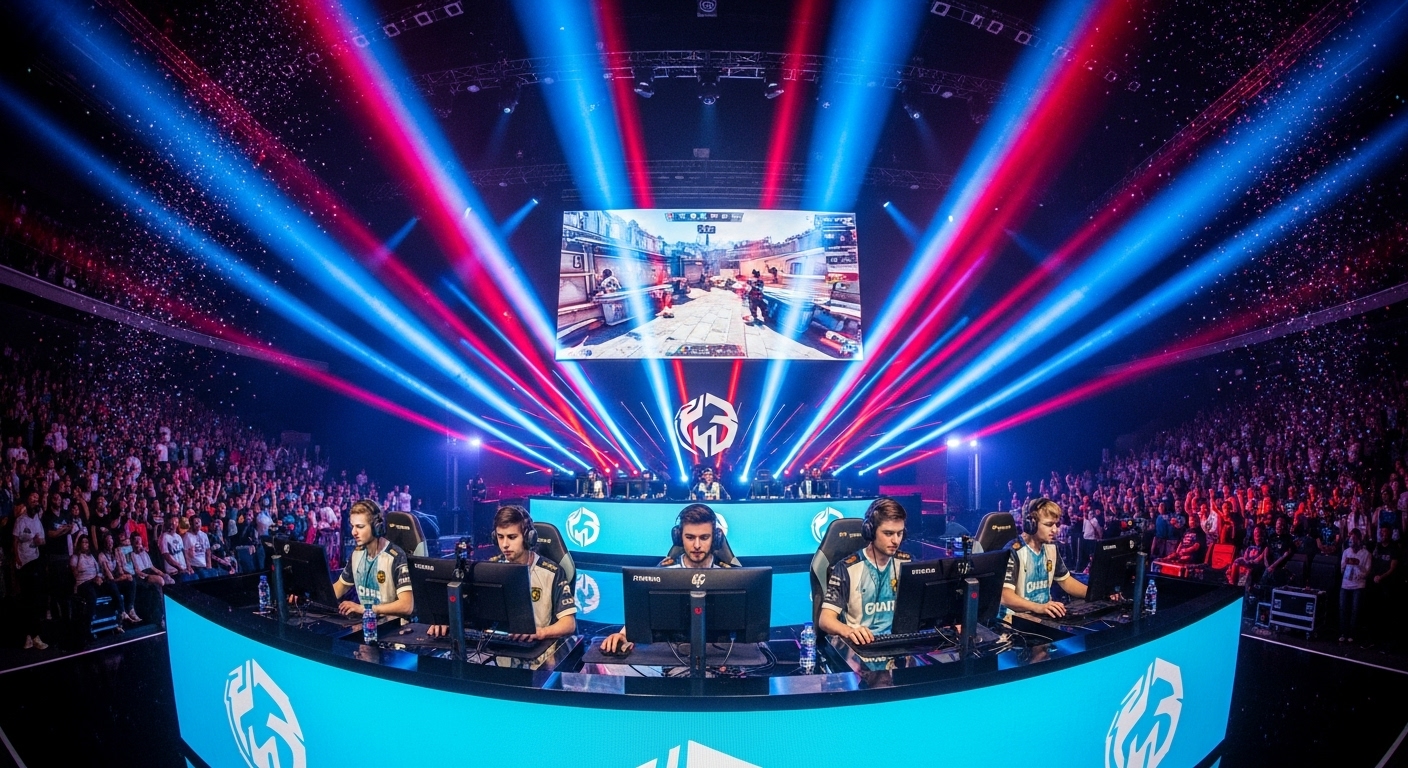
Some tournaments fill entire arenas, with thousands of fans attending in person and millions watching online. Grand finals often feature elaborate stage setups, light shows, and passionate crowds that rival any traditional sporting event.
Major tournaments like world championships or invitationals not only offer large prize pools but also create unforgettable moments in gaming history. Legendary matches are remembered for years, becoming part of esports culture.
Esports Broadcasting and Commentary
An essential part of the esports experience is how the matches are presented to the audience. Commentators, known as casters, bring games to life with their analysis, excitement, and storytelling.
Good commentary can turn an already intense match into an unforgettable spectacle. Analysts break down strategies, explain mechanics, and help new viewers understand what’s happening. Hosts and interviewers build hype and provide insight into the players’ perspectives.
This professional level of production has helped esports reach mainstream audiences. Viewers who might not even play the game can enjoy the thrill of competition through expert commentary and exciting visuals.
Esports and the Streaming Revolution
Streaming platforms played a massive role in pushing esports into the mainstream. Unlike traditional sports, esports did not rely solely on television. Live streaming allowed any fan to tune in from anywhere in the world.
This accessibility created a global audience. Tournaments were no longer limited to physical attendees. Fans could watch on their phones, computers, or consoles. Players themselves also became streamers, building personal brands and connecting with fans directly.
The interactive nature of streaming—chat, emotes, live reactions—made esports feel more personal and community-driven than many other forms of entertainment.
The Business Behind Esports
The rise of esports also brought significant business opportunities. Sponsorships, advertising, team branding, merchandise, and ticket sales are all part of the ecosystem.
Companies from tech, energy drinks, apparel, and even luxury brands invest in esports to reach younger audiences. Prize pools have grown into the tens of millions, and top teams are valued at hundreds of millions.
This business side has helped professionalize esports. Players receive salaries, organizations have structured management, and events are run with high production quality.
Esports and Education
Esports is not just entertainment. It has entered the world of education too. Some schools and universities offer esports programs, scholarships, and even degrees related to gaming management, broadcasting, and game development.
Students can learn valuable skills like teamwork, strategy, communication, and digital literacy. For many young people, esports offers opportunities to build careers—not only as players but also as coaches, event organizers, analysts, and media professionals.
The Cultural Impact of Esports
Esports has had a deep impact on global culture. It has brought people from different backgrounds together, united by their passion for gaming. Events are celebrated internationally, and players become cultural icons.
Gaming has inspired fashion, music, movies, and digital art. Many traditional celebrities collaborate with esports teams or attend major tournaments. In some regions, esports players are as famous as footballers or actors.
The language of gaming has become a universal bridge that connects people who may not even speak the same language but share the same love for a game.
Esports and Traditional Sports: A Growing Relationship
At first, traditional sports and esports seemed like two separate worlds. But over time, they have started to merge in fascinating ways. Many traditional sports teams have invested in esports organizations. Stadiums originally built for football or basketball now host major esports tournaments.
Professional athletes have expressed their love for gaming and even joined esports ventures. The strategic and competitive elements of both fields make them surprisingly similar. Both require teamwork, preparation, skill, and mental resilience.
Women in Esports
The esports world has long been male-dominated, but women have been steadily breaking barriers. Female players, casters, analysts, and content creators have made their mark on the scene.
Women-only tournaments and initiatives promoting inclusivity have created more opportunities for female gamers to shine. This growing representation is helping esports become more diverse and balanced, opening the door for new generations of talent.
The Role of Fans and Communities
Esports would not exist without its passionate fans. Online communities create memes, share highlights, and support their favorite teams with the same energy seen in traditional sports.
Fan loyalty drives the entire ecosystem. From chanting at live events to creating content online, fans make esports vibrant and alive. Community-driven initiatives, fan tournaments, and creative projects make esports more than just competition—it becomes a shared culture.
Challenges Facing Esports
Despite its incredible growth, esports faces several challenges. Player burnout is a real issue due to intense schedules and pressure. Maintaining competitive balance across regions and ensuring fair play with anti-cheat measures are ongoing battles.
There are also concerns about governance and regulation, as the industry is still relatively young. Issues like player contracts, tournament organization, and competitive integrity need careful management to ensure esports continues to grow responsibly.
Health and Wellbeing in Esports
Unlike traditional sports, esports involves sitting for long hours, which can affect physical and mental health. Professional organizations are starting to address this by including physical training, nutrition plans, and mental health support for their players.
Maintaining good posture, regular exercise, and a balanced lifestyle are becoming essential for esports athletes. A healthy mind and body lead to better performance, just like in any other competitive field.
Esports Careers Beyond Playing
Not everyone who loves esports needs to be a professional player to be part of the industry. There are countless career paths including coaching, event management, broadcasting, game development, content creation, and marketing.
As the industry expands, new roles continue to appear. This diversity of opportunities is one of the reasons esports appeals to so many young people. It’s not just about gaming—it’s about building a career in a thriving global industry.
Esports in the Future
The future of esports looks brighter than ever. With virtual reality, augmented reality, and new gaming technologies emerging, the way we experience competitive gaming will continue to evolve.
More countries are recognizing esports as official sports, and major events are integrating them into global competitions. Esports may soon sit side by side with traditional sports in terms of cultural significance and global influence.
Esports and Technology Innovation
Technological innovation has always driven esports forward. Faster internet speeds, advanced graphics engines, and better hardware continue to improve the experience for players and viewers alike.
In the coming years, artificial intelligence and advanced analytics will likely shape how strategies are formed and how players train. Spectators may enjoy more immersive viewing experiences, with interactive elements that bring them closer to the action.
The Global Nature of Esports
Esports knows no borders. Players and fans come from every corner of the globe. International tournaments bring together teams from Asia, Europe, North America, South America, Africa, and Oceania.
This global nature has made esports a cultural melting pot. It breaks down barriers and fosters friendships across different countries. It is one of the few activities where a person can connect with someone thousands of miles away through a shared passion.
Youth and the Esports Generation
For today’s youth, esports is more than a game. It’s a lifestyle, a culture, and a career path. Many young people dream of becoming pro players or working in the industry in some capacity.
Schools, parents, and communities are beginning to recognize this and provide support in the form of esports clubs, training programs, and mentorship. This shift shows how esports has become a central part of modern youth culture.
Esports and National Pride
In many countries, esports teams represent national pride just like football or cricket teams do. International competitions create excitement, and fans rally behind their country’s representatives.
This sense of pride gives players motivation and adds another layer of excitement to tournaments. Seeing a national team or player succeed on the world stage is a powerful moment for any fan.
The Power of Storytelling in Esports
Every match tells a story. Underdogs rise, champions fall, rivalries are formed, and legends are made. Esports is rich with narratives that inspire and excite fans.
These stories are shared through commentary, interviews, documentaries, and fan discussions. The storytelling aspect of esports adds emotional depth, making it more than just competition—it becomes an epic journey that fans follow passionately.
Esports and Social Impact
Esports has also proven to be a force for good. Charity streams, fundraising tournaments, and community initiatives have raised millions for various causes. Players and organizations use their platforms to make a positive impact.
Gaming has the power to unite people for a common cause, showing that competition can also create real-world change.
Conclusion: The Ever-Growing World of Esports
Esports is not a passing trend. It is a movement, a culture, and an industry that continues to expand every year. From its humble beginnings in arcades to massive global arenas, it has redefined how people view competition and entertainment.
Its blend of skill, technology, community, and storytelling has made it one of the most exciting phenomena of the modern era. As technology evolves and new generations embrace gaming, esports will only grow stronger.
The world is witnessing a new era where gaming is not just a pastime but a global stage where legends are made, fans unite, and the future of entertainment is written in real time. Esports has truly earned its place as a defining force of our digital age.


