Introduction: The Emergence of Esports
Esports, or competitive gaming, has transformed the landscape of entertainment and sports in the 21st century. What was once a niche hobby played in basements and small LAN parties has now become a global phenomenon, attracting millions of viewers, professional athletes, and corporate sponsors. Esports blends skill, strategy, teamwork, and technology to create highly engaging competitions that rival traditional sports in intensity and fan engagement. This blog explores the evolution of esports, its cultural significance, economic impact, and future potential.
The Origins of Esports
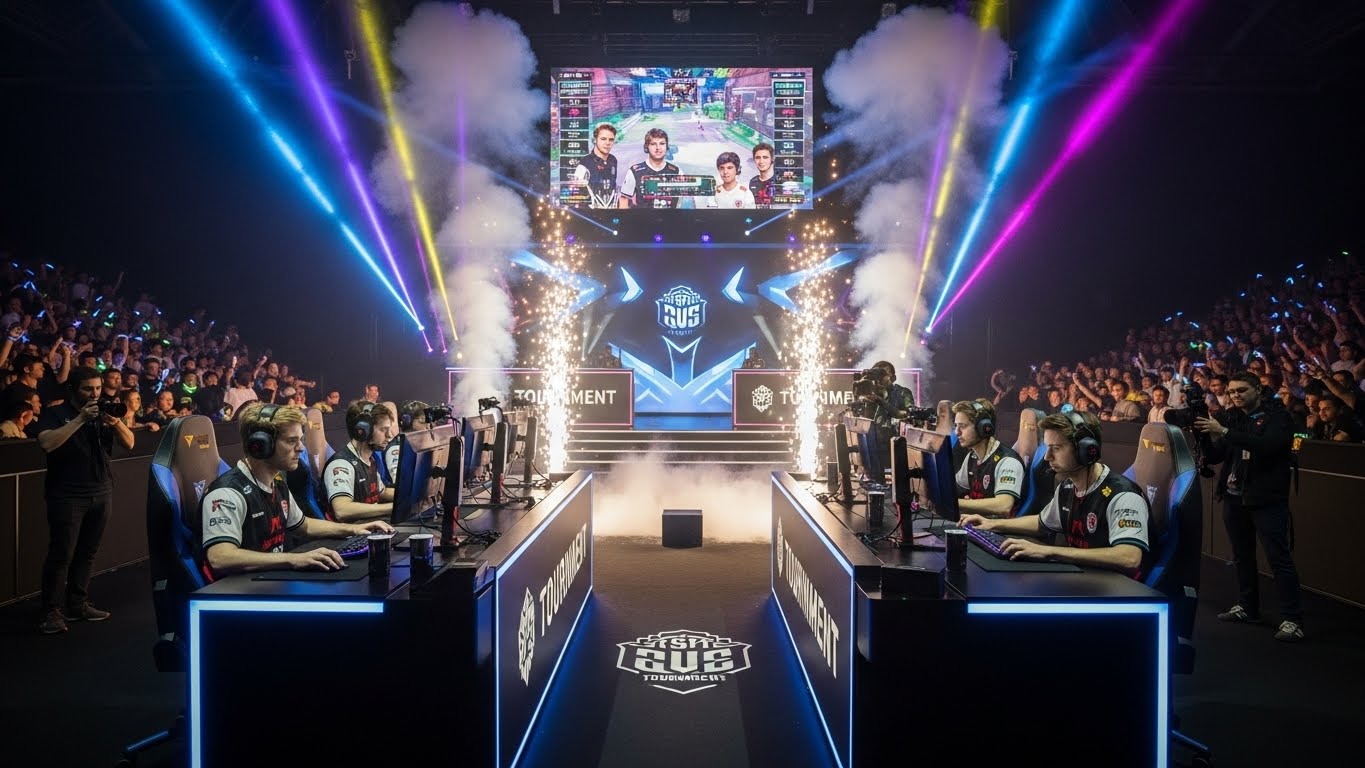
Competitive gaming has roots that stretch back decades. In the late 1970s and early 1980s, simple arcade games like Space Invaders and Pac-Man inspired informal competitions and high-score challenges. By the 1990s, multiplayer PC games such as Quake, StarCraft, and Counter-Strike allowed players to compete against each other online, marking the beginning of organized competitive gaming. The term “esports” gained traction in the early 2000s as tournaments and leagues began to form, offering structured competition and prize money. Early esports events primarily took place online, but as interest grew, live events with spectators became increasingly popular.
The Rise of Professional Esports
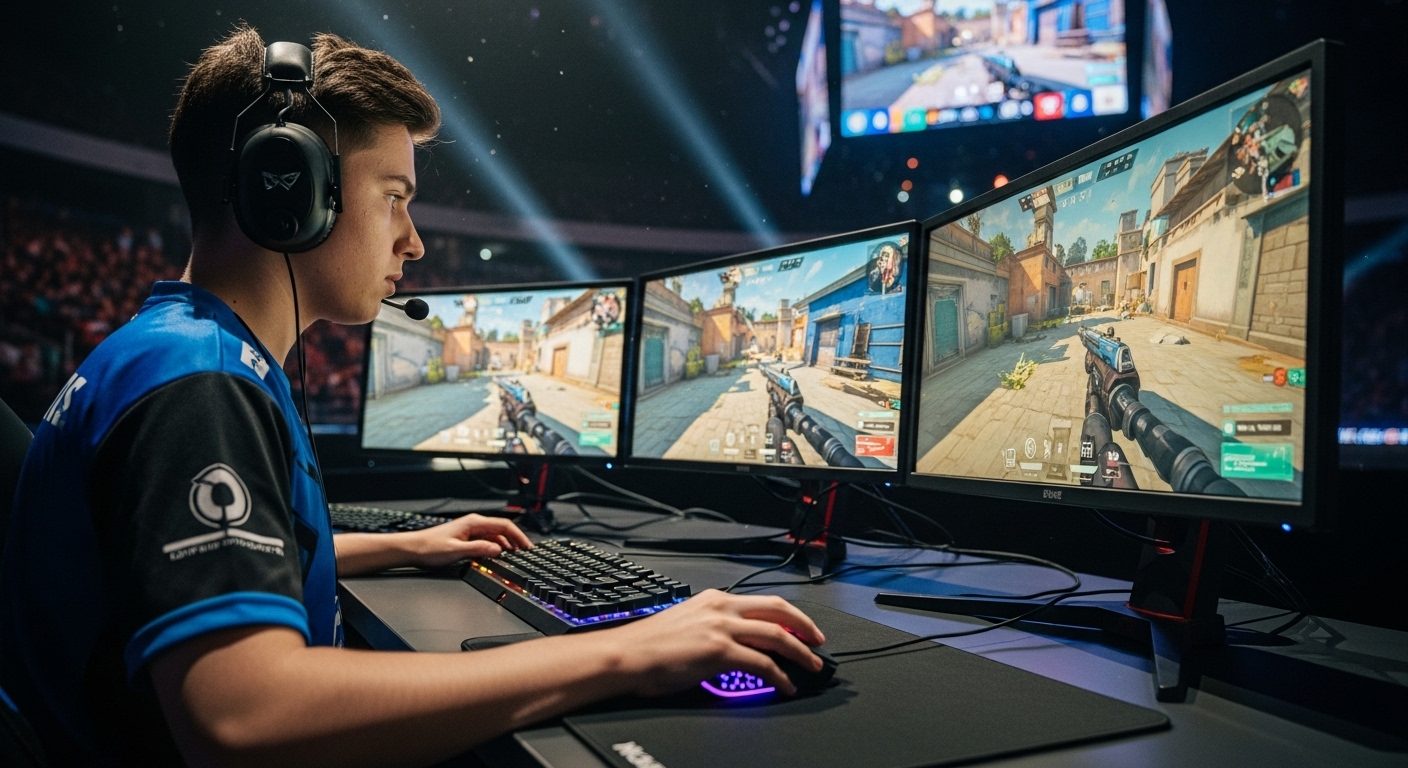
Over the past two decades, esports has evolved into a professional industry. Players dedicate hours of practice daily, similar to traditional athletes, while teams employ coaches, analysts, and support staff to maximize performance. Major esports titles such as League of Legends, Dota 2, and Call of Duty feature global tournaments with multi-million-dollar prize pools. Professional leagues, such as the Overwatch League and League of Legends Championship Series, mirror traditional sports structures, with regular seasons, playoffs, and global championships. The rise of professional esports has transformed gaming from a hobby into a viable career path for skilled players worldwide.
The Global Esports Audience
Esports has captured the attention of millions of fans globally. Audiences watch tournaments on streaming platforms, television broadcasts, and live events, creating communities around favorite teams, players, and games. Unlike traditional sports, esports audiences are highly engaged, interacting with content in real-time through live chat, social media, and fan forums. The demographic of esports viewers spans all ages, though it is particularly strong among younger audiences who are digital natives. This global reach has solidified esports as a mainstream form of entertainment.
The Role of Streaming Platforms
Streaming platforms have played a pivotal role in the growth of esports. Platforms such as Twitch, YouTube Gaming, and other emerging services allow players to broadcast matches live to millions of viewers. Streamers not only showcase competitive play but also provide commentary, tutorials, and entertainment, blurring the line between professional esports and content creation. Streaming democratizes access to esports, enabling players from all over the world to participate, learn, and engage with the community. It also provides a revenue model through subscriptions, donations, and sponsorships, supporting both players and organizations.
Esports and Team Dynamics
Team-based games dominate much of the esports landscape. Titles such as Dota 2, League of Legends, and CS:GO emphasize coordination, strategy, and communication. Successful teams require synergy, leadership, and adaptability, similar to traditional sports. Team dynamics in esports include understanding individual roles, counter-strategies, and in-game decision-making under pressure. These skills foster collaboration, discipline, and mental agility, illustrating that esports is as much about teamwork and strategy as it is about individual skill.
The Economics of Esports
Esports has become a multi-billion-dollar industry. Revenue streams include sponsorships, advertising, media rights, merchandise, ticket sales for live events, and in-game purchases. Major tournaments offer prize pools that rival traditional sports competitions, attracting top-tier talent and generating global attention. Corporate investment in esports continues to grow, with brands recognizing the engagement potential of a highly connected and digitally active audience. The economic impact extends beyond players and organizations, influencing technology companies, event management firms, and marketing industries.
Esports and Player Development
Becoming a professional esports player requires dedication, discipline, and structured training. Players often practice for 8-12 hours daily, analyzing strategies, reviewing gameplay, and participating in scrimmages. Mental conditioning is equally important, as high-level competition demands focus, resilience, and emotional control. Training academies and esports organizations invest in player development, providing coaching, nutrition advice, and psychological support. This professionalization has helped elevate esports to a level of credibility comparable to traditional athletics.
Esports as a Cultural Phenomenon
Esports has transcended gaming, becoming a cultural force that shapes trends, fashion, and media. Tournaments attract diverse audiences, celebrate creativity, and foster a sense of community. Influencers, content creators, and professional players have become celebrities, influencing popular culture and social media trends. Esports also reflects broader societal trends, including digital connectivity, technological literacy, and the blending of entertainment with interactive participation. As a cultural phenomenon, esports bridges gaps between technology, entertainment, and social engagement.
Education and Esports
Educational institutions have increasingly recognized the value of esports. Many universities and colleges now offer esports programs, scholarships, and competitive teams. These programs teach leadership, teamwork, strategic thinking, and technical skills, providing students with both career opportunities and personal development. Esports clubs and leagues also promote inclusion, diversity, and social connection, offering students a platform to pursue passion and professional growth simultaneously. The integration of esports into education underscores its legitimacy as both a competitive sport and a developmental tool.
Esports and Technology
Technology is at the core of esports. High-performance computers, gaming peripherals, and high-speed internet are essential for competitive play. Advances in software, analytics, and artificial intelligence have also transformed strategy, coaching, and performance optimization. Innovations in broadcasting and virtual reality enhance the viewer experience, allowing fans to engage with matches in immersive ways. Technology ensures that esports continues to evolve rapidly, shaping the future of digital entertainment and competitive play.
Challenges Facing Esports
Despite its rapid growth, esports faces challenges that must be addressed. Issues include player burnout, mental health concerns, cheating, and regulatory inconsistencies. Professional players often face intense pressure and long practice schedules, leading to physical and emotional strain. Furthermore, the industry must navigate fair competition, intellectual property rights, and ethical sponsorships. Addressing these challenges is crucial for ensuring sustainability, credibility, and the long-term success of esports as a competitive and cultural entity.
The Future of Esports
The future of esports is promising, with continued expansion in audience, technology, and professionalization. Virtual reality, augmented reality, and cloud gaming are poised to enhance both gameplay and spectator experiences. International collaboration and standardized regulations will likely improve competition integrity and accessibility. Esports will continue to intersect with education, entertainment, and traditional sports, further solidifying its role in global culture. As technology and society evolve, esports is set to become an even more integral part of how people play, watch, and engage with digital competition.
Conclusion: Esports as a Transformative Force
Esports has evolved from casual gaming competitions into a global industry that influences culture, technology, and social interaction. It offers players opportunities for professional careers, fosters communities, and pushes the boundaries of digital entertainment. Esports combines skill, strategy, teamwork, and innovation, creating experiences that resonate with millions worldwide. As it continues to grow, esports will not only redefine competitive gaming but also shape the future of entertainment, technology, and human connection. Its rise reflects a broader shift in how society views gaming—not just as recreation, but as a legitimate, transformative form of competition and cultural engagement.