
Introduction: A New Era of Sports
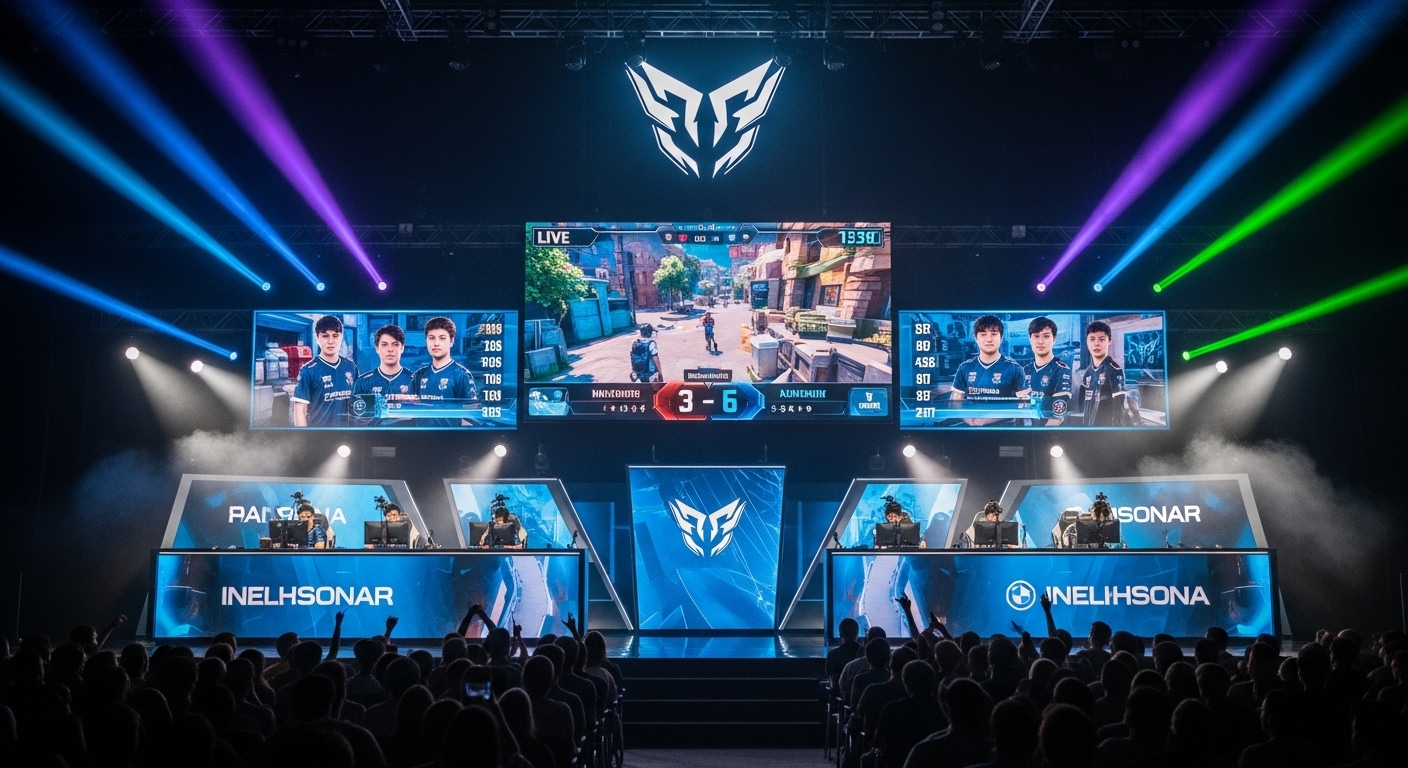
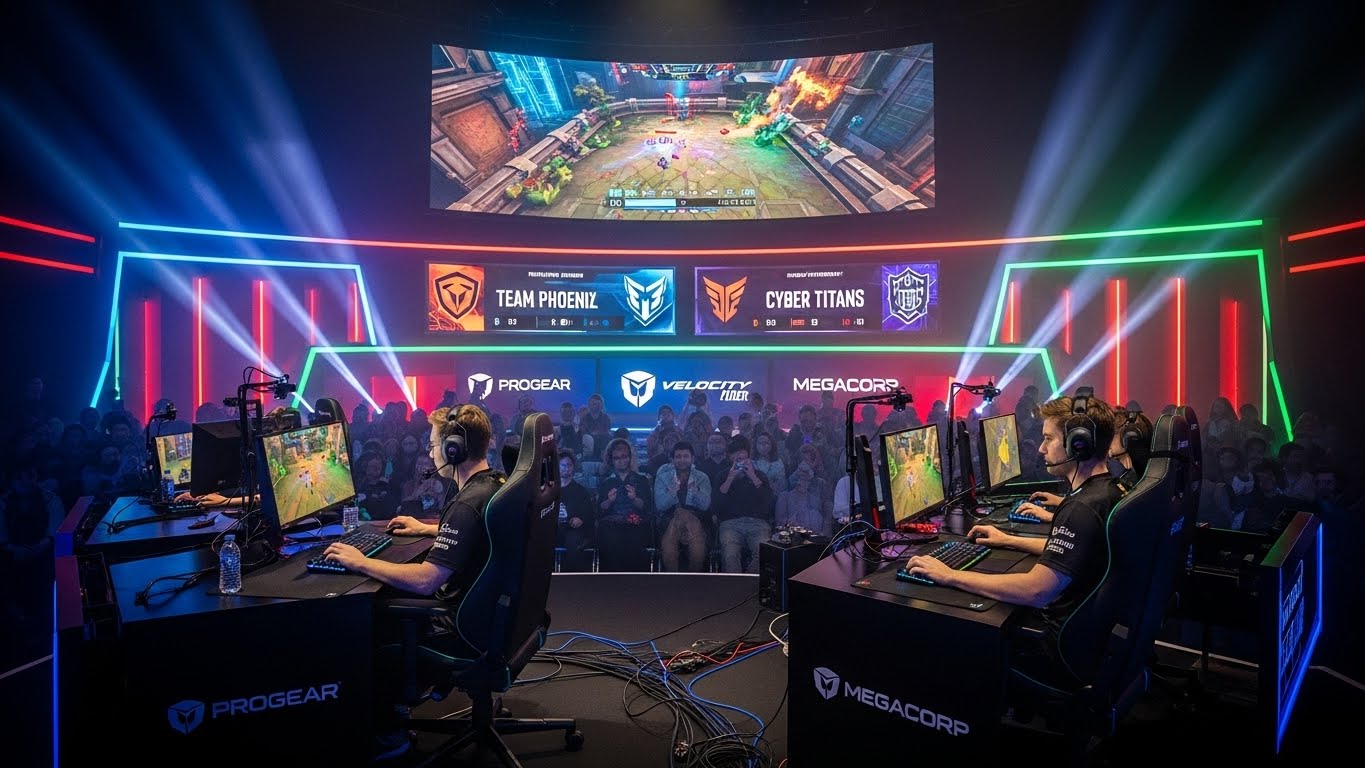
In the last decade, esports has evolved from a niche hobby into a global phenomenon. What began as small, community-driven competitions between a few passionate gamers has now turned into a multi-billion-dollar industry, attracting millions of fans worldwide. With high-stakes tournaments, international players, and massive streaming platforms, esports has become a force to be reckoned with in the world of sports and entertainment.
From Casual Play to Professional Leagues
Esports was born out of the passion of gamers who wanted to compete against others online. Early competitions were often informal, but as games like Counter-Strike, Warcraft III, and StarCraft began to gain popularity, organized tournaments took shape. Over time, competitive gaming grew into professional leagues, with large sponsors, dedicated teams, and a global audience. The transition from casual play to professional esports mirrors the rise of traditional sports, with clear structures, player development programs, and regular seasons.
The Key Games Driving Esports Growth
Today, the esports industry revolves around a handful of major games, each offering a unique competitive experience. Titles like League of Legends, Dota 2, and Fortnite dominate the scene with their complex mechanics, deep strategic gameplay, and loyal fanbases. These games attract not only players but also millions of viewers who tune in for tournaments and league matches. While each game has its own competitive ecosystem, they all share the common goal of creating an exciting, skill-driven experience for both players and fans.
The Business Side of Esports
Esports is more than just entertainment—it’s big business. From sponsorships and media rights to ticket sales and merchandise, the financial ecosystem around esports is booming. Major companies, including tech giants like Intel, beverage brands like Red Bull, and fashion companies like Nike, are investing in esports in a bid to connect with younger audiences. Additionally, streaming platforms like Twitch and YouTube have become the main channels for fans to watch live gameplay, making streaming an essential part of the esports business model. This influx of investment has helped establish esports as a legitimate industry.
The Esports Athlete: More Than Just a Gamer
Professional esports players are no longer just gamers; they are athletes. Competing at the highest levels requires skill, reflexes, teamwork, and mental fortitude. Esports athletes follow strict training schedules, practicing for hours each day to hone their abilities. Teams often have coaches, analysts, and psychologists to help players improve, both mentally and strategically. As with traditional sports, the mental strain and pressure of competing at the highest level can be immense, but the rewards are equally significant. Top esports players are now able to earn salaries comparable to traditional athletes, with the added bonus of lucrative endorsement deals and sponsorships.
The Global Reach and Cultural Impact
One of the most remarkable aspects of esports is its global reach. Esports transcends geographical boundaries, with players and fans from every corner of the world coming together online. Major tournaments like The International (Dota 2’s world championship) and the League of Legends World Championship draw in millions of viewers, while teams and players build fanbases that span countries and continents. Esports has also had a significant cultural impact, influencing music, fashion, and even social media trends. The rise of esports has fostered a new type of celebrity, where players and streamers become icons within the gaming community and beyond.
The Role of Education in Esports
As esports continues to grow, educational institutions have begun to recognize its potential. Universities and colleges are offering esports scholarships, while some are even creating specialized degrees in gaming and esports management. This trend is paving the way for a future where competitive gaming is not only seen as a career but as a legitimate academic pursuit. Educational opportunities in esports are expanding rapidly, creating a pipeline for the next generation of professional players, coaches, analysts, and event organizers.
Looking Ahead: The Future of Esports
The future of esports is bright, and it shows no signs of slowing down. As technology continues to advance, we can expect even more immersive gaming experiences, with virtual reality and augmented reality likely playing a significant role in the next phase of esports. The increasing inclusion of esports in traditional sporting events, such as the Asian Games, is a sign that competitive gaming is being recognized as an integral part of global sports culture. With continuous growth, esports is set to become an even larger part of mainstream entertainment, shaping the next generation of athletes, fans, and businesses.
Conclusion: Esports Is Here to Stay
From small online communities to global stadium events, esports has proven that it’s much more than just a game. It’s a multi-faceted industry that combines competition, entertainment, and culture in ways that were once unimaginable. As technology and interest continue to expand, esports is destined to remain a dominant force in the entertainment world. It has redefined what it means to be a professional athlete and has shown us that the future of sports is digital.